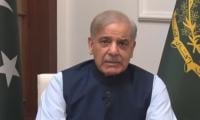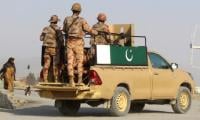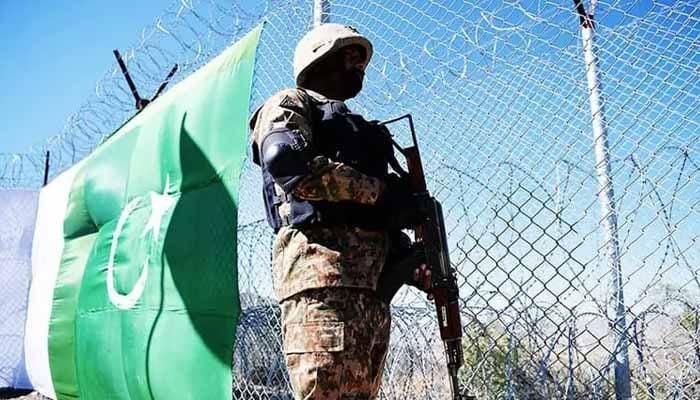
Pakistan’s armed forces have continued effective and targeted operations against the TTP and the Afghan Taliban regime under Operation Ghazab Lil Haq, signalling a clear escalation in Islamabad’s resolve to confront cross-border militancy. On Tuesday, operations in the Khyber sector involved the use of anti-tank guided missiles that reportedly destroyed the identified positions. A day earlier, precision airstrikes were carried out on Afghan Taliban-linked targets in Kabul and Nangarhar, destroying what officials described as key military and ammunition infrastructure. According to Information Minister Ataullah Tarar, these operations will continue until “desired objectives are fully achieved”. The government has emphasised that technical support infrastructure and ammunition storage facilities at two locations in Kabul were effectively destroyed, noting that the “visible secondary detonations” after the strikes “clearly indicate the presence of large ammunition depots”. The government’s narrative is therefore unambiguous: the campaign is aimed at dismantling terrorist infrastructure that has been used against Pakistani civilians.
Yet, as is often the case in conflict, competing claims have quickly emerged. The Afghan Taliban regime has alleged that Monday’s strikes targeted a drug rehabilitation facility in Kabul, leading to the deaths of over a hundred people – an assertion Pakistan has denied. Officials insist that the strikes were “precise, deliberate and professional”, adding that no hospital or drug rehabilitation centre or civilian facility was targeted. While there has been no independent media verification of the Taliban regime’s claim and such assertions must therefore be treated with caution, the principle itself remains non-negotiable. There is no space for targeting civilians – whether in hospitals, schools, places of worship, or elsewhere – in any war. Pakistan has long maintained that it exercises care and caution when striking across borders, whether in Afghanistan or during its short war with India last year, limiting its focus to military and militant targets. This commitment must not only be stated but demonstrably upheld. The operational tempo suggests a broader strategic message. During the night between March 14 and 15, Pakistani security forces reportedly destroyed a highly important technical equipment storage tunnel in Kandahar. Observers have interpreted the strike as both a tactical success and a symbolic warning to the Taliban regime’s leadership, particularly given reports that its top leader, Haibatullah Akhundzada, resides in the city.
But the deeper tragedy is that the people of Afghanistan remain the regime’s greatest victims. After decades of unending wars, the fall of Kabul once seemed to promise a breathing space. Instead, the country has been accused of becoming a hub for global terrorist groups, prolonging instability both within and beyond its borders. Pakistan’s message to Kabul has been consistent: stop supporting the TTP and other organisations that threaten regional peace. So far, that message appears to have fallen on deaf ears. Diplomacy, however, remains an indispensable parallel track. China has offered to mediate, stating that it stands ready to continue efforts to ease tensions between Afghanistan and Pakistan. Reports that Islamabad declined Beijing’s offer due to the Taliban regime’s unwillingness to act against cross-border militants were later denied by Pakistan’s foreign ministry, which reiterated that diplomatic channels remain open. The official position is clear: the war can end as soon as credible guarantees are given and acted upon regarding the dismantling of TTP networks and other terrorist outfits. Tactical victories may disrupt militant capacity and signal resolve, but sustainable peace will depend on verifiable commitments, regional coordination and the restoration of basic dignity and stability for Afghan civilians. The ball, as Islamabad has repeatedly stated, is in the Taliban regime’s court. That said, responsibility for de-escalation and humanitarian prudence rests on all sides.