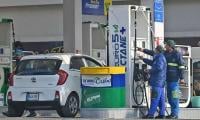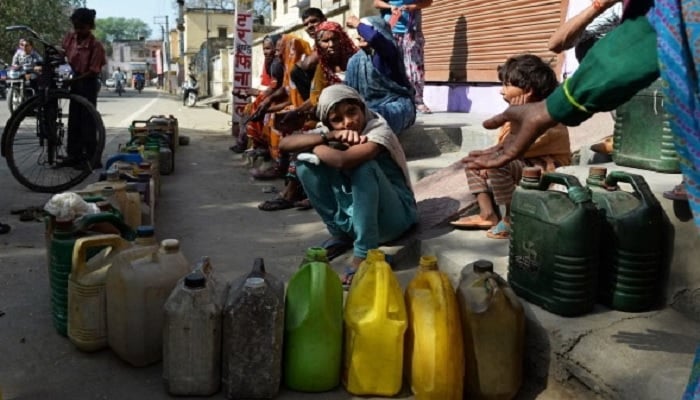
Kerosene oil prices in Pakistan have surged to Rs428.74 per litre after the latest hike, with the March increase nearing 127% as world oil markets remain highly choppy amid US-Israel-Iran conflict-related supply disruptions.
The government has increased the price of kerosene by Rs70.73 per litre, pushing the new rate to Rs428.74 per litre with effect from Saturday, March 21, according to a notification issued on Friday.
The latest revision marks the third upward adjustment within the month, as global oil markets remain volatile amid the ongoing Middle East conflict involving Iran, which has disrupted energy flows and pushed up international crude prices.
Earlier in the month, kerosene prices saw their first major jump on March 7, when the rate was raised by Rs130.08 per litre from Rs188.73 to Rs318.81 per litre in a single increase driven by the global oil surge linked to the conflict.
Subsequently, another increase of Rs39.20 pushed the price to Rs358.01 per litre on March 14, before the latest hike brought it to Rs428.74 per litre.
Overall, kerosene prices have climbed by approximately 127% since early March, marking one of the steepest increases among petroleum products during the period of heightened supply concerns tied to disruptions in the Strait of Hormuz and wider regional tensions.
The repeated revisions reflect continued pressure on domestic fuel pricing, as authorities adjust rates in line with global market movements and supply risks stemming from the evolving geopolitical situation.
Meanwhile, Prime Minister Shehbaz Sharif announced on Friday that petrol and diesel prices will remain unchanged for next week, rejecting a proposal to raise rates on the eve of Eid ul Fitr.
The prime minister announced this during an address to the nation, delivered on the eve of Eid. The statement comes as the federal government was scheduled to review the fuel prices on March 20. On March 13, the government maintained the petroleum prices despite a surge in global oil prices.
Addressing the nation, PM Shehbaz extended Eid greetings to the nation and highlighted the economic challenges arising from the ongoing global situation.
“I extend heartfelt Eid ul Fitr greetings to everyone,” the prime minister said, adding that the festival calls for national unity and collective responsibility.
Referring to the global situation, he said: “Today, the world is facing an extraordinary test. [Mideast] conflict has shaken the global economy as well as peace and stability."
The premier pointed out that attacks on energy installations in brotherly countries have worsened the crisis. “There is a fear that this crisis may intensify further,” he said.
Highlighting the economic impact, the prime minister said oil prices in the global market have surged sharply. “Oil, which was priced at $72 per barrel just weeks ago, has now reached $158 per barrel,” he stated.