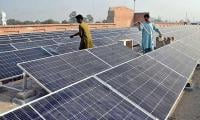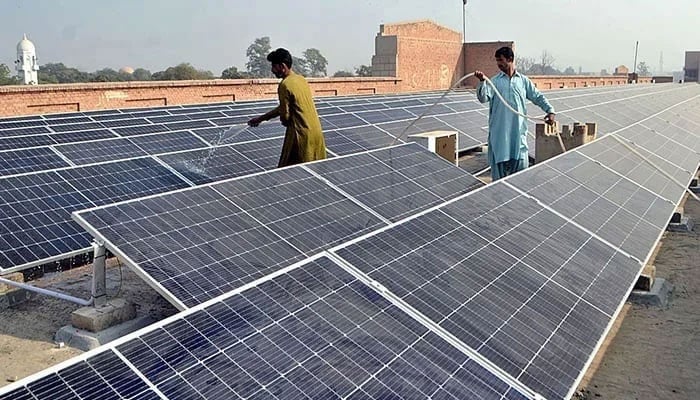
Pakistan’s rapid adoption of solar power in the past few years is helping cushion the impact of a surge in fossil fuel prices due to the Middle East war, reports Bloomberg.
The South Asian nation — vulnerable to energy shocks because of its dependence on imports — will save at least $6.3 billion this year by using its solar instead of buying oil and gas at elevated prices, according to analysis by Renewables First and the Centre for Research on Energy and Clean Air.
Pakistan imports almost all of its crude oil, refined petroleum products and liquefied natural gas from Persian Gulf nations, where production and exports have been upended by hostilities between the US and Iran. Islamabad last week introduced a slate of measures to save fuel and lower public spending in response to the energy crisis, including suspending ministers’ salaries and a move to a four-day work week.
Earlier this month, the government hiked fuel costs by Rs55 (20 cents), the highest ever increase, with Petroleum Minister Ali Pervaiz Malik warning that prices could be adjusted on a weekly basis.
The pain from higher fuel prices would have been even more acute without the country’s unexpected surge in solar adoption, which was triggered by the spike in LNG prices following Russia’s 2022 invasion of Ukraine, according to the report published on Tuesday.
“That solar uptick in the country has limited the electricity demand requirement from the national grid,” said Rabia Babar, a data manager at Renewables First, a think tank that focuses on energy and the environment. Without solar, “Pakistanis would have been more vulnerable to these price shocks,” she said.
Millions of factories, farmers and households have switched to cheap solar panels from China, driving a 40 per cent drop in Pakistan’s fossil fuel imports between 2022 and 2024, the researchers found. Additionally, the country is estimated to have saved $12 billion through reduced LNG imports in the past five years as cumulative imports of Chinese photovoltaics soared past 50GW, the report said.
To gauge Pakistan’s savings, researchers estimated the nation’s installed solar capacity and assumed a 15 per cent capacity factor. Off-grid solar was assumed to replace diesel and on-grid solar to replace LNG.