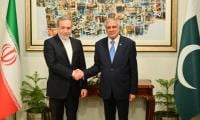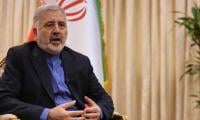
As the US-Israel war on Iran drags on with no clear end in sight, the question of ‘what next’ has become increasingly urgent. The conflict has already entered a dangerous phase, marked by rising oil prices, growing diplomatic unease and the unmistakable reluctance of key regional and global players to be drawn into a wider war. In this tense environment, Iranian Foreign Minister Abbas Araghchi’s message thanking the government and people of Pakistan for expressing solidarity with Iran carries political and symbolic weight. Reports suggest that Pakistan and Saudi Arabia are making concerted efforts to ensure the ongoing regional tensions are resolved peacefully. Regional experts have also pointed out that Saudi Arabia and some other Arab countries are wary of being drawn into the conflict, given long-standing concerns about Israel’s expansionist ambitions in the Middle East. Significantly, it is not just Arab countries that are exercising caution. A number of US allies have also declined Washington’s call for support. Things have come to such a pass that US President Donald Trump has ended up warned that Nato faces a “very bad” future if its allies failed to assist in securing the Strait of Hormuz. Yet the response has been lukewarm. Japan and Australia have reportedly declined to send warships, while British Prime Minister Keir Starmer has stated that the UK will not allow itself to be drawn into a broader conflict.
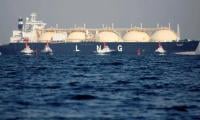
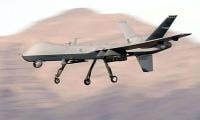
Meanwhile, hostilities continue to intensify. Israel launched a fresh wave of attacks on Tehran as the war entered its 17th day, while the US began moving more than 2,000 marines from Okinawa to the Middle East – a move widely interpreted as preparation for a prolonged engagement. The economic fallout has been immediate. Oil prices have surged amid fears of supply disruptions, and inflationary pressures are once again mounting worldwide. The Iranian foreign minister has warned that the Strait of Hormuz could effectively be closed to vessels from the US, Israel and their allies. There is a growing perception in many parts of the world that the US, at Israel’s behest, has embarked on an illegal and illogical war without a viable exit strategy. Already burdened by the ongoing Ukraine-Russia war and the humanitarian catastrophe in Palestine, the international community now faces another destabilising conflict with far-reaching consequences. Equally troubling are claims that sections of the Western media are attempting to frame the crisis in ways that deepen regional divisions. Reports suggesting tensions between Saudi Arabia and Iran appear at odds with diplomatic signals pointing towards de-escalation. Following the meeting between Prime Minister Shehbaz Sharif and Saudi Crown Prince Mohammed bin Salman, the emphasis seemed firmly on ending the war swiftly and avoiding entanglement in a wider confrontation. Behind the scenes, Pakistan and other regional actors are said to be working on backdoor diplomatic channels to find a way out of the impasse.
Iran, for its part, has indicated that it seeks international security guarantees against future aggression as a precondition for ending the conflict. This demand may complicate negotiations, but can hardly be called unreasonable: sustainable peace will require credible assurances, not merely temporary ceasefires. Without a framework that addresses the security concerns of all sides, any pause in fighting risks becoming little more than a prelude to renewed hostilities. Ultimately, the longer the war continues, the higher the costs – economically, politically and humanely. The reluctance of regional and global powers to join the conflict should serve as a warning to Washington that its current course lacks broad legitimacy. Diplomacy, however difficult, remains the only viable path forward. The hope now is that cooler heads prevail and the US reconsiders its approach before the world is pushed further towards instability.