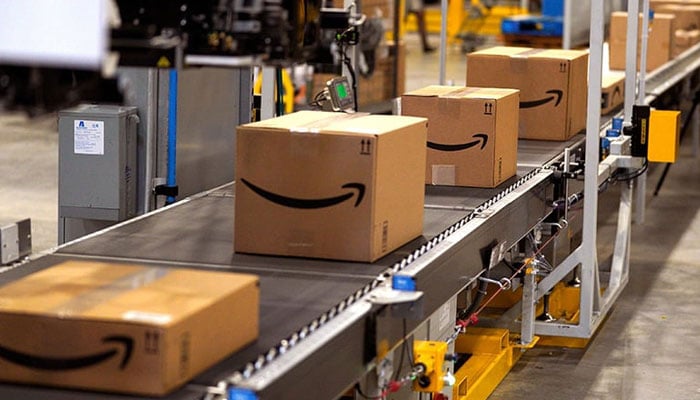
One unfortunate thing for any business operating in a small country like Pakistan is that it has to make double the effort to achieve milestones that are normally reached. One such milestone for most small-and-medium-size companies is entering international markets with their products. Given this, Pakistan’s decision to launch an Amazon-style digital marketplace for small and medium-sized enterprises (SMEs) is a welcome step that could transform the country’s export economy. By creating a centralised online platform that connects local businesses directly with global buyers, the government is providing international market access for its vast SME sector. Many small businesses struggle with the complexities of international trade, from finding buyers and marketing products to managing logistics and digital payments. In fact, creating accounts on international marketplaces is a challenge for most, as they lack the technical know-how. Industries such as gems and jewellery, light manufacturing, handicrafts, automotive parts and speciality textiles have long enjoyed demand abroad but often lack visibility in international markets. Such initiatives could help our businesses tap into a moderately lucrative market.
Global trade is rapidly moving towards digital platforms, where visibility, branding and online accessibility determine success as much as production capacity. The government may not have yet realised or, given its attempt at a ‘humorous’ video in the midst of clashes with Afghanistan, may not have fully understood the soft power of Pakistanis. In recent years, Pakistan has gained sudden, widespread popularity among global audiences, with many internet users amused by Pakistanis’ wit and humour. Naturally, there is an uptick in our content creators’ following. The government can leverage this. What should be done is to collaborate with content creators to market the digital place and raise awareness. The success of such a marketplace will also depend on the level of trust Pakistan has earned worldwide. Regular scams have made even Pakistanis wary of e-commerce.
For Pakistani SMEs to compete with sellers on established platforms, the marketplace must meet global standards in payment security, dispute resolution, product verification and shipping infrastructure. Without these essential features, the platform risks failing despite its promising concept. Besides this, training and digital literacy are also important. Many SMEs, particularly in traditional sectors, lack the technical knowledge needed to manage online storefronts, digital marketing and cross-border transactions. Government institutions such as SMEDA will need to provide strong support through training programmes, onboarding assistance and export guidance. In a world where e-commerce is reshaping international trade, Pakistan must step forward and take advantage of its benefits. Empowering thousands of smaller businesses to reach global markets could diversify exports, stimulate innovation and generate employment. It is hoped that the government will act with urgency and ensure that the plan is implemented in letter and spirit.