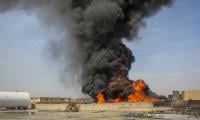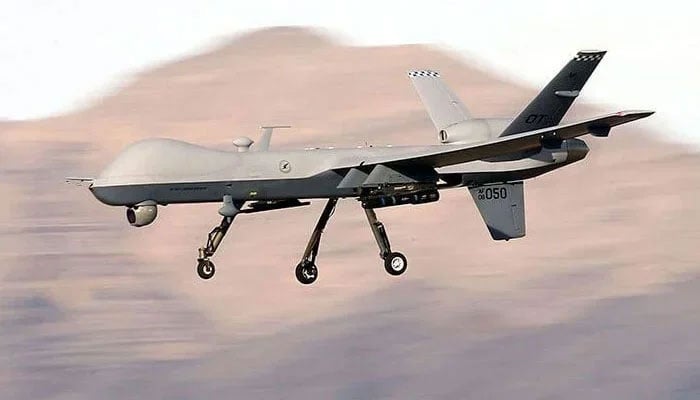
The attempted drone incursions intercepted over multiple Pakistani cities on Friday are hardly a matter that can be taken without some alarm. That rudimentary unmanned aerial vehicles could loiter near sensitive installations in the federal capital and target locations in Kohat – injuring civilians and spreading fear – shows how the security landscape along the western frontier has grown more volatile since the Afghan Taliban returned to power in 2021. At the same time, the deadly improvised explosive device attack in Lakki Marwat that martyred seven policemen, and the abduction and killing of a cop in Bajaur, are obvious and continual signs that Pakistan continues to bear the brunt of militancy emanating from across the border. Islamabad’s position on this issue has been consistent. It has repeatedly demanded that Afghan soil not be used by groups such as the TTP and its affiliates to plan and execute attacks inside Pakistan. Yet despite multiple rounds of dialogue and regional mediation efforts, the core concern – dismantling terrorist sanctuaries – remains unresolved. Instead, Pakistan now faces not only cross-border infiltration and suicide attacks but also the spectre of drone-based provocations, accompanied by a parallel campaign of propaganda and denial from Kabul.
The Afghan Taliban’s claims of capturing Pakistani military posts and inflicting heavy losses, which Islamabad has dismissed as fabricated, also point to an increasingly adversarial information war layered on top of kinetic hostilities. Such narratives may serve domestic political purposes in Afghanistan, but they do little to address the underlying crisis. If anything, they risk deepening mistrust at a moment when restraint and clarity are urgently needed. Beijing has wisely asked both sides to resolve disputes through dialogue. For Pakistan, the launch and continuation of Operation Ghazab Lil Haq has signalled a decisive shift in strategic calculus. Having exhausted diplomatic channels, Islamabad appears determined to dismantle militant infrastructure through targeted military action where necessary. As we have written here before as well, the message is unmistakable: Pakistan will not tolerate attacks on its citizens, law-enforcement personnel or critical installations, whether conducted directly or through proxies. However, while military pressure may yield short-term tactical gains, it cannot substitute for a sustainable political settlement. The Afghan Taliban must recognise that providing safe havens, whether by design or by negligence, undermines regional stability and jeopardises their own quest for international legitimacy. No government seeking recognition can afford to be perceived as a patron or enabler of transnational militancy. Ending support for the TTP and other terror outfits would not only ease tensions with Pakistan but also help Afghanistan avoid further diplomatic isolation.
Pakistan, for its part, must continue to pursue a balanced strategy. Robust counterterrorism operations are necessary to defend lives and territory, but they should be complemented by strengthened internal security coordination, community-based counterinsurgency measures in vulnerable districts and sustained diplomatic engagement with Kabul and key regional stakeholders. The sacrifices of police officers and soldiers on the front lines demand nothing less than a comprehensive approach that addresses both immediate threats and long-term drivers of instability. The recent drone incidents are therefore more than isolated provocations and preventing further escalation will require realism from Islamabad and introspection from Kabul. Above all, it will require the Afghan Taliban to act decisively against the militant networks that continue to endanger Pakistan. That is a non-negotiable.