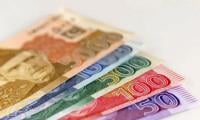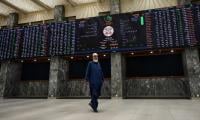
KARACHI: Foreign direct investment (FDI) into Pakistan fell by 33 per cent in the eight months of the fiscal year 2026, the central bank data showed on Monday, a drop that coincided with high economic uncertainty caused by the oil shock amid the ongoing war in the Middle East.
The net FDI totalled $1.195 billion in July-February FY26, compared with $1.793 billion in the same period last year. In February, FDI reached $213.5 million, an increase from $132.7 million a year earlier.
The largest contributors to the FDI were China, Hong Kong and Switzerland. While investments from Chinese companies make up a significant portion of the overall direct investments, they declined to $635.7 million from $920.7 million in the same period last year. Meanwhile, Hong Kong contributed $219 million in FDI during the first eight months of this fiscal year, down from $315.8 million a year ago. Investments from Switzerland amounted to $141.4 million, compared with $101.9 million during the same time last year.
In terms of sector-specific investments, FDI in the power sector fell to $627.4 million during July-February FY26, down from $964.6 million last year. Conversely, the electronics sector saw an increase in FDI inflows, reaching $113.5 million, up from $72.7 million a year ago. Additionally, FDI in financial businesses rose to $523.2 million during the same period, up from $484.3 million last year.
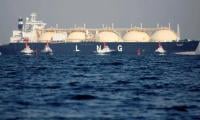
The latest FDI numbers come as the ongoing conflict in the Middle East has triggered global repercussions, including rising energy prices, higher freight costs and supply chain disruptions. Oil prices continue to soar as the Strait of Hormuz remains effectively closed by Iran in response to US and Israeli strikes that were launched on February 28. This situation poses risks for Pakistan’s inflation and external account outlook. Furthermore, this uncertainty may hinder already limited FDI inflows to Pakistan.