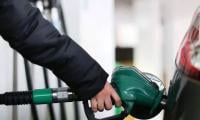
Rawalpindi: Prices of both edible and non-edible items, including clothes, shoes, shirts and pants, have increased by over 100 per cent in twin cities -- Rawalpindi and Islamabad -- following a massive hike in petroleum prices.
Citizens complained that the local administration and price control authorities had failed to curb profiteering and hoarding, allowing traders to overcharge consumers. As Eid approaches, traders across Pakistan are reporting a significant decline in sales, attributing the slowdown to rising inflation and reduced purchasing power among consumers.
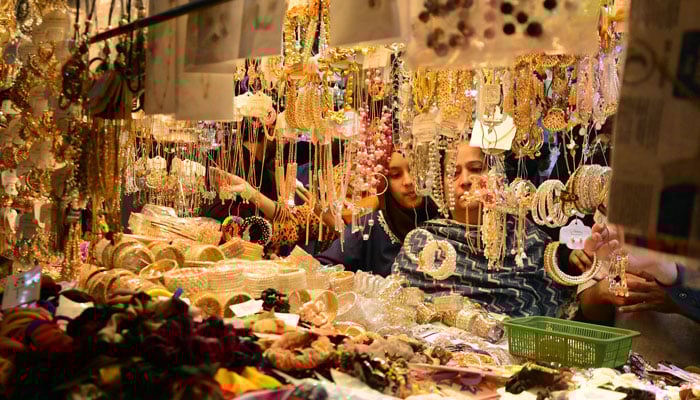
According to traders, the usual festive rush in markets has been noticeably absent this year. Many shopkeepers said customers were being more cautious with their spending, prioritising essential items over luxury or non-essential purchases. One trader remarked, "People are only buying what they absolutely need. The excitement that usually fills the markets before Eid is missing."
Several vendors noted that pedestrians in popular shopping areas has dropped compared to previous years. They explained that while markets would typically be crowded with shoppers preparing for Eid, this season has seen fewer visitors and smaller purchases. "Sales have dropped sharply. Even those who come to shop are bargaining more and buying less," another shopkeeper said.
Traders further highlighted that the increase in prices of clothing, shoes and accessories has forced many families to cut back on traditional Eid shopping. Some customers, they observed, are opting for lower-priced items or postponing purchases altogether.
Market analysts pointed out that the current economic situation has affected consumer confidence, leading to a subdued atmosphere in commercial centres. The absence of the usual festive buzz has raised concerns among business owners who rely on Eid sales for a significant portion of their annual income.