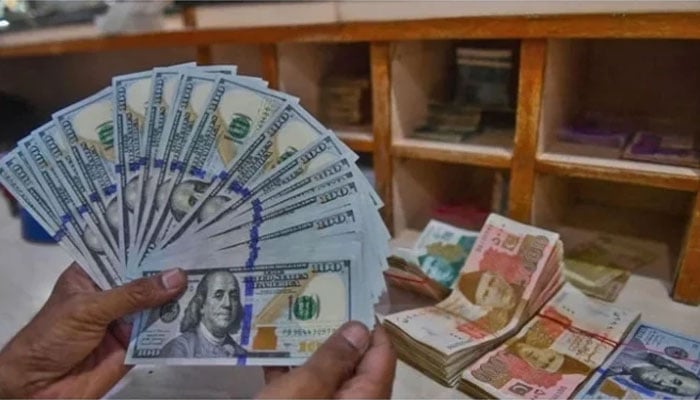
KARACHI: The Pakistani rupee is expected to remain largely stable against the US dollar in the coming week, although external risks linked to geopolitical tensions and rising energy prices could keep the currency under mild pressure.
The rupee closed at around Rs279.4 per dollar in the interbank market at the end of the previous week, showing limited volatility as the market continued to trade within a narrow band.
According to currency market analysts, the local currency is likely to remain range-bound in the near term, provided there are no major shocks to external accounts. They noted that the rupee has demonstrated relative stability in recent weeks despite persistent macroeconomic challenges.
Market participants believe seasonal inflows could lend some support to the currency. Remittances typically increase during Ramazan and ahead of Eid, providing additional supply of dollars in the domestic market and helping to stabilise the exchange rate.
However, the ongoing conflict in the Middle East remains a key risk factor for Pakistan’s external sector and currency outlook.
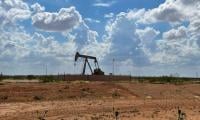
Escalating tensions in the region have pushed global oil prices higher, raising concerns about Pakistan’s energy import bill. As a net importer of petroleum products and liquefied natural gas (LNG), Pakistan is particularly vulnerable to spikes in global energy prices.
Analysts warn that sustained increases in oil and LNG prices could widen the country’s trade deficit and increase demand for dollars to finance imports. This could gradually translate into pressure on the rupee if global energy prices remain elevated.
Pakistan relies heavily on energy imports from the Gulf region, and any disruption to supply routes or production due to the conflict could further complicate the outlook.
Despite these risks, traders say the rupee could remain broadly stable in the near term if remittance inflows remain strong and import demand remains contained.
Market participants will also closely watch developments in global energy markets and geopolitical tensions, as these factors could influence Pakistan’s external balance and determine the rupee’s direction in the weeks ahead.