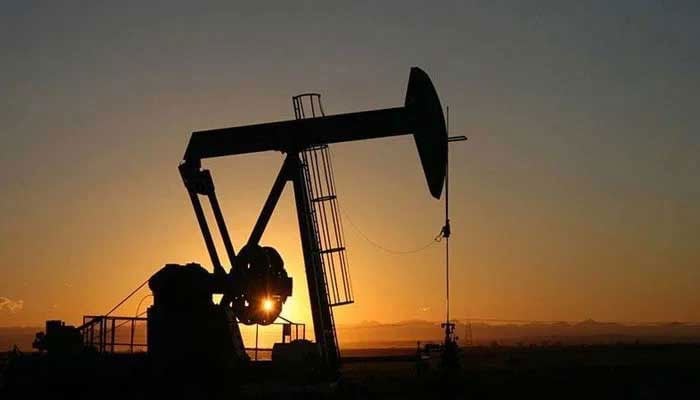
KARACHI: The oil sector, including petroleum dealers and oil marketing companies (OMCs), is estimated to have gained around Rs55 billion overnight in inventory value after the government increased the prices of petrol and high-speed diesel (HSD) by Rs55 per litre each.
Information gathered by The News regarding available stocks of petrol and HSD suggests that the sector earned substantial gains following the price increase.
Industry sources said the main beneficiaries were petroleum dealers, who had started hoarding petrol and HSD in anticipation of a price hike. Petroleum dealers, however, claimed that OMCs benefited by keeping supplies of petrol and HSD tight ahead of the expected increase.
According to sector sources, HSD stocks stood at about 480,000 tonnes and petrol stocks at around 497,000 tonnes at the close of trading on Friday. One tonne is estimated to equal roughly 1,400 litres of petrol and 1,200 litres of HSD.
In litre terms, petrol stocks amounted to about 696 million litres, while HSD stocks totalled roughly 576 million litres at the end of Friday, when the government sharply raised the prices of both products by Rs55 per litre.
Combined stocks of petrol and HSD therefore stood at around 1.27 billion litres. The Rs55 per litre increase in both products translates into an estimated Rs55 billion in inventory gains for the oil sector.
Industry representatives said the conflict in the Middle East had pushed up prices in the international market and that the increase should have been reflected in domestic prices. However, they alleged that when hoarding of petroleum products began — resulting in supply shortages for consumers — the government chose to raise prices rather than act decisively against hoarders.
The government, however, rejected claims that companies had made massive inventory profits, saying the assumption reflects a misunderstanding of how fuel pricing and inventory management work in Pakistan.
“The assumption that companies are making massive ‘inventory profits’ is based on a misunderstanding of how fuel pricing and inventory actually work in Pakistan,” Khurram Schehzad, adviser to the finance minister, said in a post on the social media platform X.
He said fuel prices are determined using the average Platts benchmark prices of petrol and diesel during the pricing period, along with exchange rate adjustments.
He added that the price is not based on the cost of a particular shipment purchased weeks earlier. At the same time, oil companies are legally required by the Oil and Gas Regulatory Authority (Ogra) to maintain around 20 days of mandatory stocks, a requirement that has recently increased due to regional tensions.
“This means companies are continuously selling fuel while simultaneously buying new cargo at prevailing international prices to replenish the same inventory. When a litre of fuel is sold today, it must be replaced with a litre purchased at current international prices to keep reserves at required levels,” he said.
“What people describe as an ‘inventory gain’ disappears because the stock is being replenished with more expensive molecules,” he added.
Schehzad noted that the opposite situation often occurs when international prices fall, forcing companies to sell inventory purchased at higher prices at lower regulated prices, resulting in significant losses.
For example, petrol prices in Pakistan were reduced by around Rs24 per litre in December after international prices declined. Refineries and OMCs were holding mandatory inventory purchased at higher prices, which caused billions of rupees in losses. Similar situations occurred in 2022 and 2023, when multiple price cuts forced companies to sell higher-cost inventory at lower prices.
“This is simply how a pass-through pricing system with mandatory inventory requirements works. Sometimes the adjustment may appear to be a temporary gain, but it often results in losses when international prices decline. It is not a windfall profit from ‘cheap oil bought earlier’,” he said.