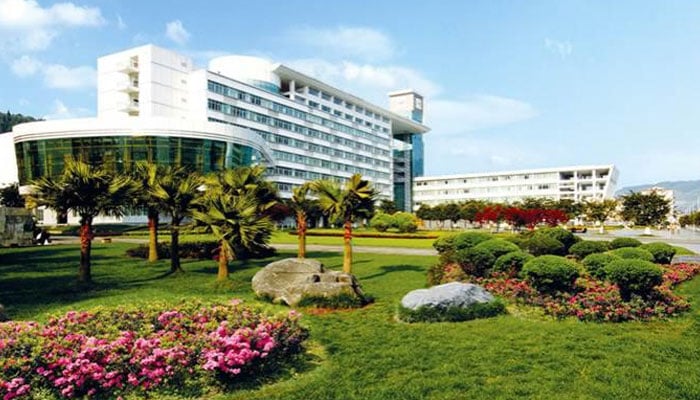
Islamabad: With a focus on promoting global food security and sustainable development, Sichuan Agricultural University (SAU) is set to expand its international cooperation in agricultural technology and innovation.
Professor Wu De, President of SAU and Deputy to the 14th National People’s Congress, highlighted the importance of international collaboration during China’s ‘Two Sessions’ currently underway in Beijing.
According to a report by China Economic Net, SAU has developed several agricultural technologies that have been successfully applied overseas, including the maize-soybean intercropping technology piloted in Pakistan with promising results. Looking ahead, SAU plans to promote its biological breeding achievements, including improved crop varieties and specialized farming breeds, to international partners.
The university will focus on two key areas for global outreach: promoting key achievements in biological breeding overseas and expanding international cooperation in agricultural infrastructure and food processing. SAU has established partnerships with universities in New Zealand, Australia, Italy, and other countries, and will continue to share adaptable technologies with Belt and Road partners to support their agricultural modernization.
Professor Wu De also emphasized the potential for China-U.S. agricultural cooperation, citing SAU’s collaborations with U.S. institutions in forage breeding and the pig industry. “China and the U.S. enjoy a solid foundation for agricultural cooperation, supported by extensive academic exchanges,” he said, adding that opportunities for future bilateral collaboration lie in food processing, dairy production, and agricultural economic management.