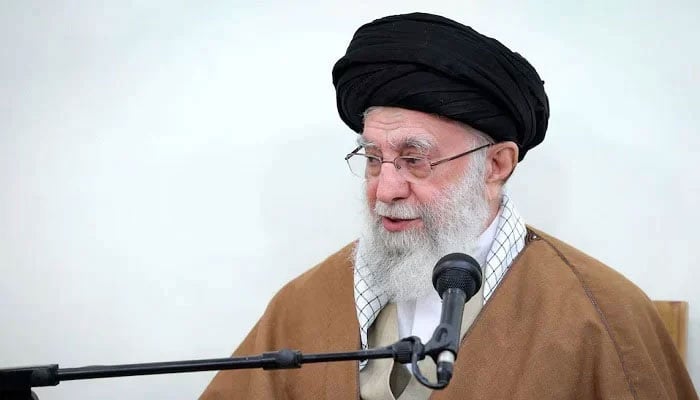
The world has once again reached a dangerous crossroads. The killing of Supreme Leader Ayatollah Ali Khamenei has sent shockwaves through Iran and across the Middle East, raising urgent questions about regional stability, international security and the cost of military interventions.
The stakes have never been higher. The immediate consequences of such actions are unpredictable, and history offers a cautionary tale for those considering force over diplomacy.
The assassination of Khamenei has thrust Iran into a period of acute uncertainty. Political and religious authority is shaken and the likelihood of retaliatory measures is high. If the US and Israel move forward with direct military involvement, the region could face sudden destabilisation, civilian casualties and the displacement of thousands. Humanitarian crises, already looming in the region due to ongoing conflicts, would intensify. Global security is also at risk: an escalated confrontation between nuclear-capable states or their proxies could spark far-reaching consequences, extending well beyond Iran’s borders.
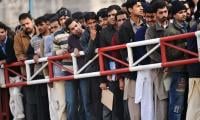
Historical parallels make this risk even clearer. Two decades ago, the US invaded Afghanistan to dismantle terrorist networks and topple the Taliban regime. The cost of that intervention was staggering. Over 20 years, the US spent trillions of dollars, while countless Afghan civilians and military personnel lost their lives. Entire communities were uprooted, infrastructure was destroyed and a generation of children grew up amid conflict. The war produced long-term societal disruptions, leaving Afghanistan politically unstable and economically fragile.
The intended strategic goals were only partially achieved, and the human cost remains incalculable. History shows the limits of military force, and the dangers inherent in underestimating the complexity of deeply rooted political, cultural and religious dynamics.
The potential strategic and political risks for the US today are similarly high. A military strike in Iran could erode US credibility and influence in international forums, strain diplomatic relations with regional allies, and provoke retaliatory attacks against American interests worldwide. Economic costs would be enormous, both in direct military expenditure and in the broader disruption to global trade and energy markets.
Political capital at home could also be jeopardised, as policymakers face the challenge of justifying another protracted military engagement. Drawing parallels with Afghanistan, miscalculations in Iran could quickly escalate into an open-ended conflict with no clear exit strategy, undermining both regional and domestic stability.
Beyond the immediate consequences, the global reaction and security implications of a US-Iran confrontation would be profound. Middle Eastern stability would be severely compromised, potentially triggering new waves of refugees across neighbouring countries and Europe. Oil markets, already sensitive to regional tensions, could see extreme volatility, driving up global energy prices and affecting economies far beyond the Middle East. International institutions would be pressured to respond, balancing humanitarian obligations against political and economic realities. The ripple effects could challenge global security frameworks, strain alliances and heighten the risk of broader international confrontations.
History and current realities underscore the urgent need for strategic prudence. Policymakers must weigh the lessons of Afghanistan carefully: military action without a clear exit plan and an understanding of local dynamics can produce catastrophic and long-lasting consequences. Diplomacy, intelligence gathering and multilateral engagement must take precedence over hasty military intervention. Even in the face of high-profile events like the assassination of a national leader, measured strategies that prioritise containment and negotiation are far less likely to trigger widespread humanitarian suffering or destabilise global markets.
The recent escalation is a stark reminder of the limits and costs of military power. As the world watches, the most responsible course for the US and its allies is to exercise caution, prioritise diplomacy and consider the broader implications before taking actions that could ignite another protracted conflict. Strategic prudence is not weakness; it is a necessity for global stability, human security and responsible leadership in an increasingly interconnected world.
The writer is a journalist specialising in socio-political analysis and historical perspectives.