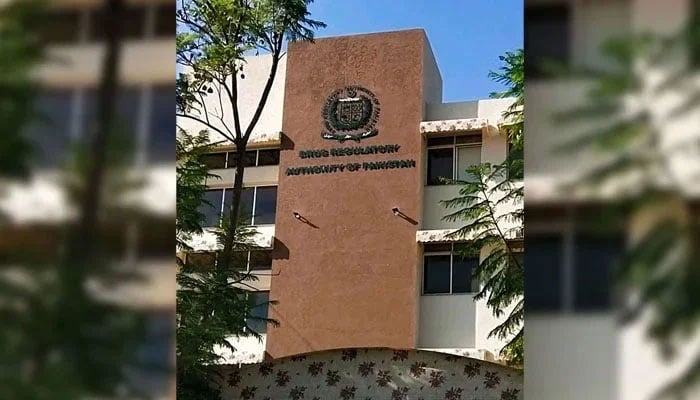
ISLAMABAD: The Drug Regulatory Authority of Pakistan (DRAP) says it has significantly improved approval process for medical devices through major digital and administrative reforms, enabling faster registration and licensing decisions and reducing regulatory backlogs.
Officials at the regulator said extensive digitisation of regulatory processes during the past year has streamlined workflows, improved monitoring of applications and strengthened coordination between applicants and regulators.
According to DRAP, nearly 70 percent of its regulatory procedures have already been digitised, including licensing, product registration, pricing approvals, import and export permissions for pharmaceuticals and biologicals, lot release of vaccines, allocation of controlled drugs, and registration of medical devices. The remaining processes are expected to be digitised by June 2026.
Officials said shift to digital processing has improved transparency and enabled real-time tracking of applications, resulting in measurable gains in efficiency and shorter approval timelines.
They added reforms were also recognised at highest level, noting Prime Minister conferred “Reforms Champion Award” on DRAP in December 2025 in acknowledgment of improvements in regulatory performance.
Providing details of medical devices approval system, officials said since the launch of an online portal for medical device applications in July 2025, Medical Devices Board has decided 4,196 applications, with an average disposal time of about 21.8 working days.
They said introduction of digital portal replaced much of earlier manual processing system, which in some cases had taken several months or even years to complete regulatory approvals.
Officials added older applications submitted before digitisation of the system were also being processed through a structured review mechanism.
According to DRAP, around 5,066 manual applications have been examined by the edical Devices Board through weekly meetings, while approximately 2,900 approval letters have already been issued.
The remaining applications were found to have regulatory deficiencies requiring additional documentation, clarification, or compliance with statutory requirements, which had been communicated to applicants.
Officials maintained improvements in processing times had been achieved through better coordination, process optimisation, and stronger monitoring mechanisms within the authority, without increasing number of regulatory staff.
They said DRAP remains committed to strengthening regulatory efficiency, ensuring compliance with international standards, and facilitating timely access to quality medical devices for hospitals and healthcare providers.
According to the regulator, additional technical personnel are also being recruited, and authority’s information technology infrastructure is being upgraded to further improve service delivery and institutional capacity.
The issue of approval timelines recently drew attention after Transparency International Pakistan wrote to DRAP regarding complaints from some stakeholders about alleged delays in processing of medical device licensing and registration applications.
Officials, however, maintain digitisation of regulatory processes and ongoing institutional reforms are helping address legacy backlogs and improve overall efficiency of approval system.