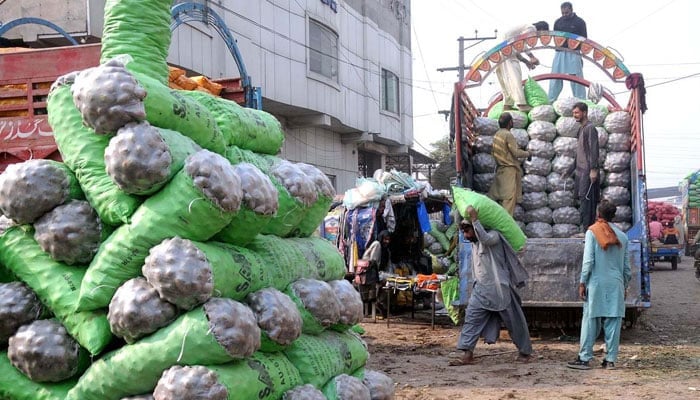
ISLAMABAD: Pakistan is scrambling to reroute potato exports to Central Asia after losing nearly half of its traditional markets in Afghanistan and Russia, even as the country posts a record 13 million metric tonnes of production this year.
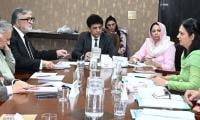
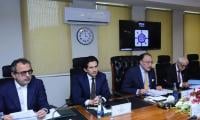
The National Assembly’s Standing Committee on National Food Security, chaired by Syed Hussain Tariq here Monday, was briefed that around 50 per cent of Pakistan’s export market, mainly Afghanistan and Russia, has been disrupted. Russia imposed a ban on potatoes two years ago, while exports to Afghanistan have also stalled, compounding pressure on farmers.
Federal Minister for National Food Security Rana Tanveer Hussain said the government has identified an alternative route through China to access Central Asian states. A high-level committee headed by Deputy Prime Minister Ishaq Dar has been formed on the prime minister’s directives to steer the effort.
“We will now export potatoes to Central Asian countries and aim to meet our export target this year as well,” Hussain told the committee. Officials said Pakistan is attempting to export up to 4 million metric tonnes of potatoes out of a total production of 13 million metric tonnes, with 4 to 5 million metric tonnes considered exportable surplus. Despite early losses suffered by farmers due to market disruptions, the minister expressed optimism that conditions would stabilize.
The committee was informed that multiple consultative meetings had been held with the Ministry of Commerce and the National Logistics Corporation (NLC) to address transportation and trade bottlenecks. Exporting through China would require multiple-entry visas for Pakistani drivers, Hussain noted, while describing the Taftan route as longer but relatively easier.
Committee Chairman Tariq urged tax relief to ease the burden on exporters, warning that farmers have endured severe hardship over the past two years. Hussain added that sugarcane prices have remained relatively stable and are under monitoring.
Separately, the committee approved 13 development projects worth Rs16.94 billion for the upcoming fiscal year. These include a Rs6.59 billion initiative to boost olive oil production, a Rs1 billion modernization plan for the National Agricultural Research Centre (NARC), a Rs1.28 billion for Thar community actions for management of sustainable ecosystem, livestock and livelihood (Thar CAMELL), and an Rs800 million program to enhance camel milk production. Projects to increase dry fruit and date production in Gilgit-Baltistan, as well as expand pulse cultivation, were also cleared.
Officials said detailed proposals would be presented to the deputy prime minister in the coming days as the government pushes to stabilize agricultural exports and protect farmers from further losses.