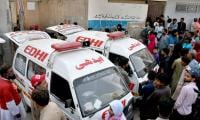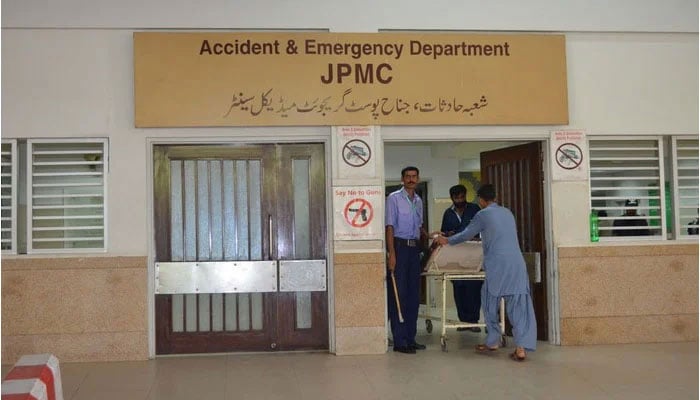
Another confirmed rabies case has been reported in Karachi, where a 75-year-old resident of Lyari, Naimat Gul, was brought to the Jinnah Postgraduate Medical Centre (JPMC) in the final stage of rabies encephalitis, hospital officials said on Monday.
Doctors at the JPMC said the elderly man had been bitten by a dog around three months ago but did not receive timely and complete post-exposure treatment. He later developed hydrophobia (fear of water) and photophobia (sensitivity to light), both hallmark signs of advanced rabies infection. The patient was admitted for supportive care, but doctors said that once rabies progressed to encephalitis, treatment options were extremely limited.
Provincial health authorities confirmed that this was the fourth rabies case reported in Sindh so far this year, highlighting a worrying rise in dog bite incidents across the province, particularly Karachi.
Public hospitals in the city continue to receive a large number of dog bite victims daily, placing sustained pressure on already stretched emergency and preventive services. Health experts say rabies in Pakistan is largely preventable and continues to occur because many bite victims either delay seeking care or do not complete the full course of vaccination and rabies immunoglobulin after exposure.
“Rabies is almost always fatal once clinical symptoms appear. The window for prevention is immediately after a bite,” a senior physician at the JPMC said. Medical professionals have urged the public to seek urgent medical attention after any animal bite. They stressed that the wound should be washed thoroughly with soap and running water for several minutes and that the rabies vaccine and rabies immunoglobulin should be administered promptly and completed as per protocol.
Public health specialists also pointed out weak control of stray dog populations, inconsistent animal vaccination campaigns and gaps in municipal coordination as major drivers of continued rabies transmission.