Pasban Democratic Party (PDP) Chairman Altaf Shakoor has said the citizens of Karachi have been suffering silently as the administration and its negligent private contractors have failed to effectively collect solid waste.
In a statement, he said almost 40 per cent of solid waste was left to rot in streets causing diseases and distress. He remarked that not only billions of rupees from the taxpayers’ money were wasted on inefficient garbage collection systems, but also the citizens spent a huge portion of their income on treatment of vector-borne diseases arising from rotting garbage.
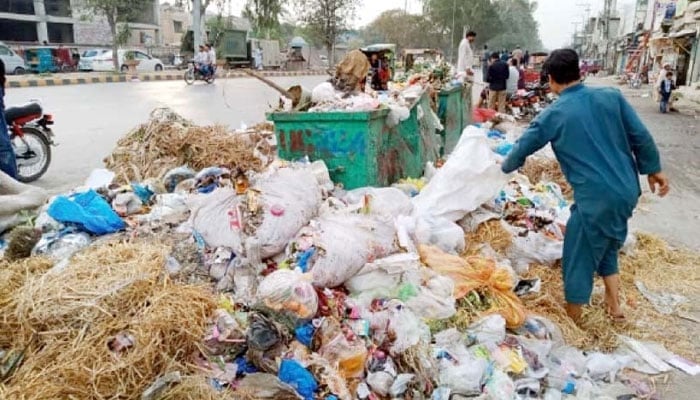
He said Karachi, the largest city of Pakistan, was drowning in its own waste. With a population exceeding 20 million, the metropolis generated more than 12,000 tonnes of solid waste daily, he said, adding that nearly 40 per cent of that garbage remained uncollected and left to rot in vacant plots, streets and storm water drains.
He lamented that as a result, the megacity was struggling with disease outbreaks, polluted water and urban decay. Shakoor said the citizens were bearing the brunt of negligence on part of the government that claimed to be the elected government of the people.
He said the solid waste continued to clog the drainage system, which worsened monsoon flooding, and caused damage to homes and businesses.
The cost of poor waste management was staggering as rising healthcare expenses, lost productivity and property damage from urban flooding drained millions from the city’s economy each year, the PDP chairman said. At the same time, he added, Karachi missed out opportunities to recycle waste and generate energy.
He said the staggering allocations, including international funding, had not translated into cleaner streets or healthier citizens.
He said that for ordinary Karachiites, the crisis was more than statistics. Streets littered with trash, foul odours, and unsafe water supplies had become part of life in a city that once prided itself as Pakistan’s economic hub, he remarked.
He said if the government machinery worked with honesty, some solutions to the problem were within reach. The government could modernise landfill sites and recycling facilities, introduce waste-to-energy projects to reduce landfill dependency, and launch public awareness campaigns to encourage household-level segregation, he said.
He called for strengthening municipal accountability and streamlining responsibilities stating that they could transform Karachi’s waste from a liability into an opportunity, restoring dignity and livability to the city.
He asked the government to take practical steps to keep the megacity clean. What Karachi needed was not more promises, but a clean break from the filth of failure, he asserted.