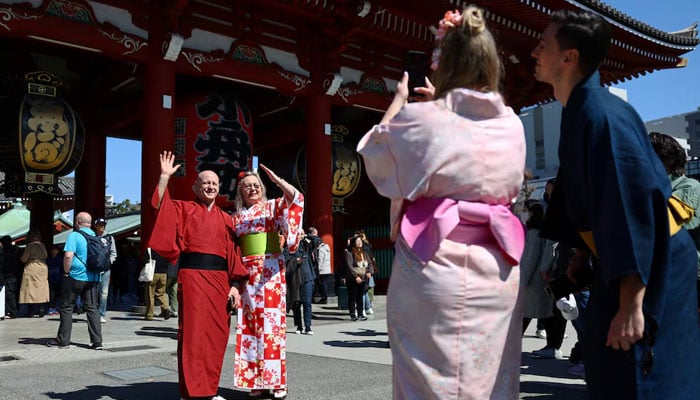
Japan’s cultural tapestry: Where ancient traditions meet modern imagination Japan’s culture is a remarkable synthesis of ancient spirituality, disciplined artistry and futuristic imagination. Rooted in centuries-old traditions yet dynamically responsive to modern influences, Japanese society has preserved its heritage while emerging as a global force in technology and pop culture. From sacred shrines and tea ceremonies to anime studios and high-speed trains, Japan’s cultural identity rests on harmony, aesthetics and respect.
Spiritual foundations:
At the heart of Japanese culture lies a dual spiritual heritage—Shinto and Buddhism. Rather than being mutually exclusive, the two are often practiced side by side. Shinto, Japan’s indigenous belief system, reveres nature and ancestral spirits, while Buddhism emphasises simplicity, detachment and enlightenment. It is common for birth ceremonies to take place at Shinto shrines and funerals at Buddhist temples.
Seasonal festivals, or matsuri, reflect this spiritual blend. The Gion Matsuri, dating back to the ninth century, remains one of Japan’s grandest celebrations, featuring elaborate floats and purification rituals. Such festivals highlight the Japanese reverence for nature’s cycles and community bonding.
The aesthetics of simplicity
Japanese art is deeply influenced by Zen principles that value minimalism and quiet elegance. Concepts such as wabi-sabi—the appreciation of imperfection and impermanence—shape everything from architecture to ceramics. The art of Kintsugi, which repairs broken pottery with gold lacquer, symbolizes the beauty of flaws and resilience.
Similarly, Ikebana transforms flower arrangement into a disciplined art form guided by balance and asymmetry. Origami, taught to children in schools, cultivates patience and precision through paper folding. Japanese calligraphy, or Shodo, blends brushwork with meditative concentration, reflecting the belief that art shapes character.
Performing arts and the world of the “Floating World”
Japan’s classical performing arts combine drama, music and stylised movement. Kabuki, known for elaborate costumes and expressive makeup, flourished during the Edo period. Noh offers a slower, more spiritual performance style rooted in ritual. Bunraku showcases intricate puppetry, where performers dressed in black manipulate lifelike figures.
Visual storytelling also flourished through Ukiyo-e, or “pictures of the floating world.” These woodblock prints captured actors, landscapes and urban life. Among the most celebrated works is The Great Wave off Kanagawa by Hokusai, an image that has become globally iconic.
The way of the warrior
The samurai legacy continues to shape Japanese values. Guided by Bushido, the ethical code emphasizing loyalty, courage and honour, the samurai established a culture of discipline and respect. Today, martial arts such as Judo, Karate and Aikido focus as much on mental fortitude as physical strength.
Even Sumo retains its Shinto origins. Before each bout, wrestlers throw salt into the ring for purification, underscoring the sport’s sacred roots.
Tea, hospitality and social harmony
Few practices capture Japanese refinement better than the tea ceremony, or Japanese tea ceremony. More than simply preparing matcha, it is a ritual of mindfulness, silence and mutual respect. Every gesture—from cleaning utensils to serving tea—reflects discipline and aesthetic awareness.
Central to social life is wa, or harmony. Japanese etiquette prioritises group cohesion over individual expression. Bowing remains the standard greeting, shoes are removed before entering homes, and punctuality is a sign of respect. The spirit of omotenashi—selfless hospitality—ensures that guests are treated with exceptional care, whether in a family home or a traditional inn.
Clothing, cuisine and daily rituals
The kimono, which emerged during the Heian period, remains a cultural emblem worn at weddings, festivals and formal gatherings. Seasonal celebrations such as cherry blossom viewing and New Year shrine visits reinforce Japan’s deep connection to nature.
Japanese cuisine, or washoku, emphasises seasonal ingredients and artistic presentation. Rice has historically been central to the diet, while sushi—once humble street food—is now globally celebrated. Multi-course kaiseki meals highlight balance, colour and texture, embodying aesthetic philosophy on a plate.
Literature and folklore
Japanese literary heritage spans centuries. The Tale of Genji is often regarded as the world’s first novel, offering insight into courtly life. Haiku poetry, structured in 17 syllables, captures fleeting seasonal moments with profound brevity. In contemporary literature, writers like Haruki Murakami blend surrealism with reflections on everyday life.
Folktales such as Momotaro and mythical figures like Amaterasu continue to shape cultural imagination. Legends recorded in the ancient chronicles Kojiki recount the divine origins of the Japanese islands and imperial lineage.
Modern creativity and global influence
While rooted in tradition, Japan is also a global leader in popular culture. Anime and manga have transformed storytelling worldwide. Long-running series like Sazae-san illustrate the depth of Japan’s animation industry, now valued in billions of dollars. The concept of kawaii, meaning “cute,” influences fashion, design and branding across continents.
A culture of continuity and change
Japanese culture has evolved through waves of influence—from early Chinese and Korean exchanges to the isolation of the Edo period and rapid modernization during the Meiji era. Yet its core values remain consistent: harmony, respect, discipline and reverence for beauty.
In Japan, the old and the new do not compete; they coexist. Wooden temples stand beside neon-lit skyscrapers. Ancient tea rituals thrive in a nation that leads in robotics. This seamless blending of tradition and innovation makes Japanese culture not only enduring but endlessly fascinating—a living testament to balance in a changing world.