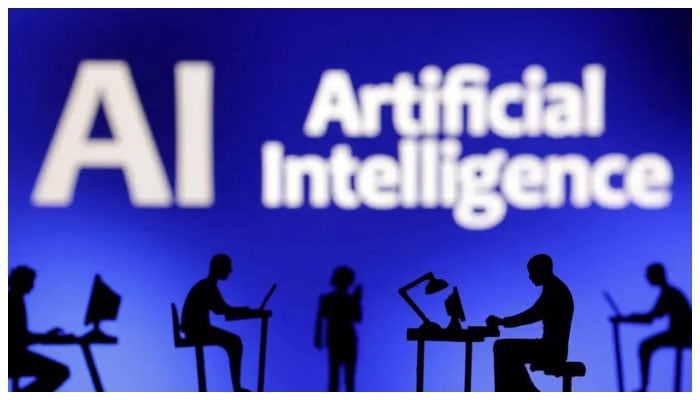
Pakistan recently concluded an AI week to mark its progress in the information technology (IT) sector and to have a roadmap for the future. In recent years, the country has given much-needed priority to the IT sector, acknowledging that it is one of the areas where it can work independently without diktats from the IMF, on which Pakistan unfortunately consistently relies. This attention seems to be producing the desired results. IT exports have surged 20 per cent year-on-year (YoY) to reach $2.6 billion in the first seven months of FY26. The government has now set an ambitious target of $5 billion in IT exports by the end of fiscal year 2026, but analysts believe the country will reach $4.5 billion. For a country that has perhaps experienced the worst internet issues, this achievement is not small. It is also timely and signals to the government to invest more in this critical sector.
According to network intelligence and connectivity insights firm Ookla, Pakistan ranked 100th globally for mobile speeds and 145th for fixed broadband speeds in January 2026. In the past, flash floods across the country destroyed internet infrastructure, causing persistent disruptions. Work related to the upgrade of web management systems, per officials, and what digital rights activists call a firewall, has also led to internet outages and a reduction in speed. In 2023, worldwide internet outages led a freelancing platform to flag accounts based in Pakistan, prompting users to pause doing business with them due to uncertainty regarding project completion and delivery. It is worth noting that Pakistani freelancers earned $557 million in foreign exchange during the first half of the current financial year 2025-26, a significant increase from $352 million during the same period last year. According to data released by the State Bank of Pakistan (SBP), this represents a 58 per cent YoY growth, highlighting the expanding role of freelancers in the country’s services exports and external accounts.
Pakistan’s growth in the IT sector should be a wakeup call for authorities. If the sector can perform well with so many restrictions, it can indeed grow with leaps and bounds if it has a favourable work environment. The next step for the country is to invest in artificial intelligence. Prime Minister Shehbaz Sharif, while addressing the inauguration ceremony of Indus AI Week 2026 in Islamabad, announced that Pakistan will invest $1 billion in artificial intelligence by 2030 to build a national AI ecosystem. The worldwide IT market is projected to exceed $6 trillion in 2026, per experts, and AI alone is expected to add $4.4 trillion to global corporate profits annually, which Pakistan can tap into. There is no time for the authorities to waste. The indicators are positive and if we keep the momentum going, we can emerge as a major player in the global IT industry.