PESHAWAR: The Provincial Justice Committee on Friday decided to simplify the procedure for interprovincial transfer of accused persons and strengthen the forensic system along with expanding judicial infrastructure, particularly in newly established districts.
It emphasized the establishment of laboratories at the district level, improvement of prison facilities and security, and ensuring safe and transparent management of seized case property, explosives, and vehicles.
Peshawar High Court Chief Justice SM Atique Shah chaired the 14th meeting of the committee.
The meeting reviewed in detail various measures aimed at making the justice system in the province more effective, coordinated, and public-friendly, and several important decisions were taken.
The meeting was attended by Senior Puisne Judge Justice Ejaz Anwar and members of the administrative committee, the chief secretary, inspector general of police, additional chief secretaries, secretaries of relevant departments, director general prosecution, Khyber Pakhtunkhwa advocate general, representatives of the Law and Justice Commission of Pakistan, inspector general of prisons, Anti-Corruption Establishment, IT Board, Forensic Science Laboratory, and other relevant institutions.
Participants reviewed ongoing initiatives in the justice sector. To modernize the investigation process, the meeting stressed strengthening the forensic system through the establishment and improvement of regional and district-level laboratories.
Directions were issued to prioritize the completion of observation homes and rehabilitation centres for juvenile offenders to help transform them into responsible members of society.
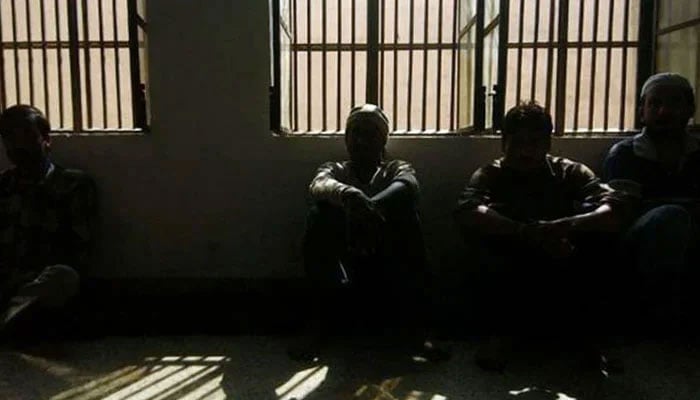
Expressing concern over the rising prison population, the committee directed relevant authorities to address the issue through expedited trials and an effective prosecution system.
Detailed discussions were held on improving prison facilities and security, resolving basic issues in jails, ensuring safe and transparent custody of seized case property, explosives, and vehicles, and monitoring samples in narcotics cases through separate storage facilities.
The committee emphasized reforms in the police system, establishment of effective public complaint redressal mechanisms, rationalization of investigation expenses, and strengthening accountability processes.
The committee decided to take steps for proper monitoring of samples in narcotics cases and the establishment of separate malkhanas (storerooms) for such cases.
The shortage of government prosecutors in various districts was reviewed, and participants agreed on the urgent need to fill these vacancies to ensure effective prosecution of cases.
The meeting considered measures to ensure compliance with judicial decisions related to investigation standards and to develop an effective data-sharing system among all relevant institutions.
Chief Justice Justice SM Attique Shah reiterated that the improvement of the criminal justice system is only possible when all relevant institutions perform their responsibilities effectively and work in full cooperation with one another.
He directed the authorities to ensure timely implementation of decisions taken in previous meetings and to submit progress reports before the next session, warning that negligence would result in action against those responsible.