To reinforce structural safety and prevent future urban tragedies, the Sindh Building Control Authority (SBCA) has promulgated sweeping amendments to the Karachi Building & Town Planning Regulations, 2002.
The amendments have been formally notified under the Karachi Building & Town Planning Regulations (Amendment), 2026, and have come into force with immediate effect across the province.
SBCA Director General Muzamil Hussain Halepoto said that under Section 21-A of the Sindh Building Control Ordinance, 1979, the amendments revise key provisions in chapters 4, 9, 13, 18 and 24 of the existing regulations.
The reforms are widely viewed as a structural response to gaps in fire safety enforcement and building oversight that have contributed to catastrophic commercial fire incidents, including the Gul Plaza inferno. The most significant changes focus on embedding fire safety compliance directly into the building approval and completion process.
Under the revised framework, separate underground and overhead water tanks dedicated exclusively for firefighting purposes must now be designed and incorporated in all public sale projects, industrial buildings, and amenity plots at both the planning and completion stages.
This ensures that firefighting water storage is structurally integrated into commercial developments rather than treated as a secondary requirement. All proposed projects falling under these categories must now submit certified mechanical, electrical and plumbing drawings signed by qualified professionals, demonstrating compliance with firefighting requirements before the issuance of final construction permits.
The SBCA has also made it mandatory that no completion plan of public sale, industrial, or amenity buildings would be approved unless no-objection certificates are obtained from the Civil Defence Department and the fire brigade or the relevant municipal authorities.
This inter-departmental compliance mechanism is intended to close regulatory loopholes, and ensure coordinated oversight. Retail and commercial occupancies have been brought under stricter internal fire preparedness standards.
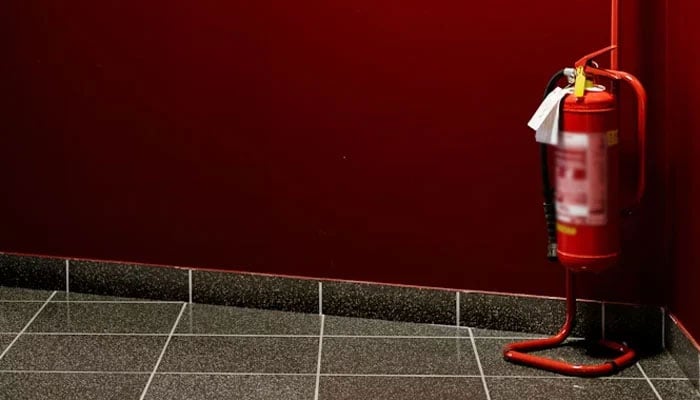
One fire extinguisher per shop has now been made compulsory, while departmental stores must instal at least one fire extinguisher for every 400 square feet of covered area. These measures are designed to enhance first-response capacity within commercial premises and minimise fire escalation risks.
The amendments also introduce structural improvements in regulatory administration. Licensing procedures for professionals have been centralised, with all fresh and renewal licences across Sindh now to be issued through the Licensing Section at the SBCA headquarters.
Licences approved by the Licensing Committee will be valid across the province, ensuring uniform compliance standards and eliminating procedural inconsistencies. Parking requirements have likewise been expanded in recognition of congestion challenges in commercial zones.
In addition to total project parking, developers must now provide additional motorbike parking calculated at a fixed ratio per car, as well as allocate further parking space for visitors and the general public.
Improved parking provisions are expected to ease traffic bottlenecks and ensure unobstructed access for emergency response vehicles during crises. The amended law represents one of the most comprehensive regulatory updates in recent years.
By institutionalising mandatory firefighting infrastructure, certified technical documentation, inter-agency clearances, centralised licensing and strengthened parking norms, the SBCA has signalled a clear policy shift toward preventive regulation, accountability and coordinated urban governance. The SBCA reiterated that strict compliance would be enforced, and that approvals would be contingent upon full adherence to the amended regulatory framework.