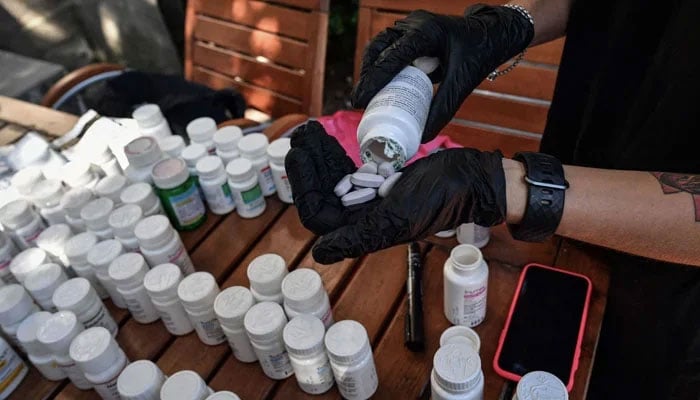
ISLAMABAD: Every day, around 60,000 Pakistani men, women and children consume Indian-made HIV medicines bought with foreign donor money, exposing Pakistan’s deep vulnerability in medicine security at a time when HIV infections are spreading into the general population and local pharmaceutical manufacturers remain absent from the country’s antiretroviral therapy (ART) supply chain.
These life-saving medicines are not procured directly by the government but are purchased by the Global Fund to Fight AIDS, Tuberculosis and Malaria (GFATM), which sources ART from Indian pharmaceutical companies.
Pakistan does not currently produce any ART medicines locally, leaving the national HIV programme almost entirely dependent on external funding and foreign suppliers.
Health officials estimate that around 3,50,000 people are living with HIV in Pakistan, yet fewer than 80,000 have been diagnosed, and only about 60,000 patients are registered for treatment and receiving ART. Around 13,000 new HIV cases are detected each year, as experts believe the real number of new infections is far higher, with estimates suggesting that nearly 48,000 people contract HIV annually.
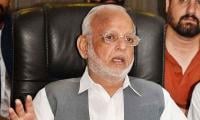
The reliance on imported HIV medicines has raised renewed concern over Pakistan’s medicine security, particularly after the WHO and UNAIDS last year urged Pakistan to initiate local production of HIV and tuberculosis drugs following supply disruptions linked to strained trade with India. Dr Faisal Sultan, former special assistant to the prime minister on health and a leading infectious diseases expert, said the question of medicine security should not be viewed narrowly. “HIV medicines and their manufacture cannot be seen in isolation or as a special case. By that definition, almost every medication is a security item. Diabetes, hypertension, antibiotics, vaccines, life-saving fluids, virtually everything can be considered in that category,” he said.
According to him, pharmaceutical manufacturing operates within an ecosystem where innovation, investment and profit are essential drivers. For full commercialisation, he added, products must meet international standards and be certified by global bodies, which requires expensive investments in high-quality production facilities.
An official at the Drug Regulatory Authority of Pakistan (Drap) said any move towards local manufacturing of ART medicines would require a clear government policy, similar to a national vaccine policy, as such medicines were produced by the private sector.
The Drap official said the regulator was willing to facilitate companies interested in local production but argued that, at present, patient volumes alone do not make ART manufacturing financially attractive.