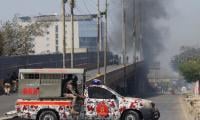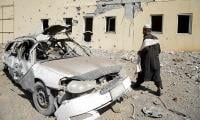
The suicide bombing at Imambargah Khadijah al-Kubra in Islamabad on February 6 raises serious questions about intelligence coordination and long-term counter-extremism planning. While identifying the perpetrators is essential, the deeper failure lies in the state’s reactive approach. Preventing such violence requires more than post-attack operations. Existing laws against hate speech and proscribed organisations must be enforced consistently, without political or ideological exemptions. Equally important is disrupting extremist recruitment by monitoring online propaganda, regulating the misuse of mosques and seminaries for sectarian mobilisation and ensuring transparency in the funding of religious institutions.
A credible revival of the National Action Plan, with parliamentary oversight and clear benchmarks, is long overdue. Alongside this, targeted community-level engagement – including early-warning mechanisms, local peace committees and rehabilitation pathways for at-risk youth – can help detect radicalisation before it turns violent. Public, collective repudiation of sectarian narratives by mainstream religious leadership, backed by sustained educational reform, is also essential to shrinking the social space in which extremist ideologies thrive.
Sajid Ali Bangash
Hangu