Pakistan-Uzbekistan relations are centuries old, rooted in shared history, culture, religion and traditions. Cities such as Samarkand and Bukhara, located in present-day Uzbekistan, were once major centres of Islamic learning and scholarship, deeply influencing scholars across the Subcontinent.
The ancient Silk Road played a vital role in fostering trade and cultural exchange between the two regions, enabling merchants, scholars and Sufi saints to travel freely and spread ideas. Another important historical link is that the founder of the Mughal Empire, Zaheer ud Din Babar, hailed from the region that is now Uzbekistan.
Despite Pakistan’s alignment with the Western bloc during the cold war, diplomatic interactions between the two regions continued. Following the disintegration of the Soviet Union in 1991, Uzbekistan emerged as an independent state and Pakistan was among the first countries to recognise it and establish formal diplomatic relations. Since then, the two nations have maintained cordial and fraternal ties, consistently supporting each other at international forums and cooperating on regional and global issues.
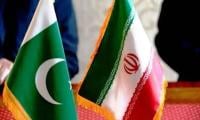
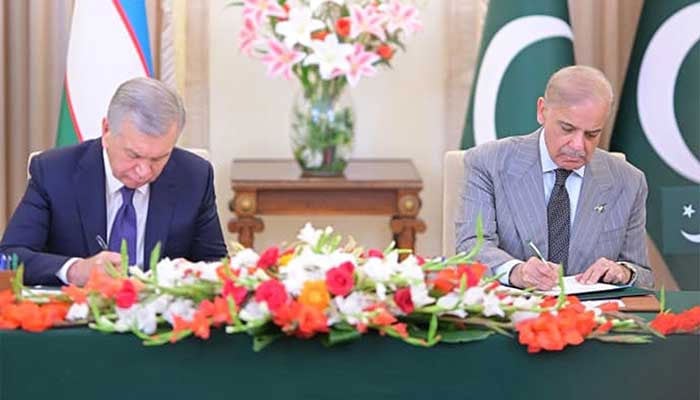
Both Pakistan and Uzbekistan have repeatedly demonstrated their commitment to deepening bilateral relations by enhancing trade, connectivity and people-to-people contact. A major milestone in this regard is the visit of the president of the Republic of Uzbekistan, His Excellency Shavkat Mirziyoyev, to Pakistan. This visit comes at a particularly important time. Pakistan and Uzbekistan are fully aware of their vast potential in areas such as trade, transportation, energy, tourism and regional connectivity. The visit is expected to inject fresh momentum into ongoing initiatives.
Trade and economic cooperation lie at the core of Pakistan-Uzbekistan relations. Bilateral trade has shown a steady upward trend, reaching nearly $450 million by 2025. To further strengthen economic ties, both countries have accelerated efforts to expand their Preferential Trade Agreement and have set an ambitious target of increasing bilateral trade to $2 billion within the next two years.
As a landlocked country, Uzbekistan can benefit greatly from Pakistan’s access to warm-water ports, while Uzbekistan’s resource-rich economy presents opportunities for Pakistani businesses. The two economies complement each other well, and improved trade routes and connectivity will benefit not only Pakistan and Uzbekistan but the wider region as well. President Mirziyoyev’s visit is expected to yield new agreements and MoUs to increase trade volumes and encourage greater private-sector collaboration.
Connectivity and regional integration are also likely to be key themes during the visit. Pakistan occupies a strategic position at the crossroads of South Asia, Central Asia, and the Middle East, while Uzbekistan lies at the heart of Central Asia. Strengthening road, rail and transit links between the two countries could significantly enhance regional trade and economic activity. Both countries are already cooperating on several connectivity initiatives, including the Pakistan-Uzbekistan Transit Trade Agreement and the Uzbekistan-Afghanistan-Pakistan Railway project. Further progress will bring markets closer and strengthen people-to-people ties.
Energy cooperation is another promising area likely to feature prominently in discussions. Uzbekistan possesses considerable expertise and experience in energy production, while Pakistan is seeking to diversify its energy sources to meet growing economic demands. Collaboration in energy-related projects would help Pakistan address its energy needs while creating new opportunities for Uzbek companies and professionals. Such cooperation would be mutually beneficial and contribute to long-term economic stability.
Cultural and educational exchanges have always occupied a special place in Pakistan-Uzbekistan relations. Education, research and cultural heritage are deeply valued in both societies. In this context, President Mirziyoyev’s visit is expected to foster stronger cooperation among universities, think tanks and cultural institutions.
Tourism is another key sector with significant potential. Tourism generates employment, drives economic growth, promotes cultural exchange and strengthens people-to-people connectivity. Uzbekistan is home to historic cities renowned for their architecture and cultural significance, while Pakistan offers breathtaking landscapes, historical sites and diverse traditions. Enhanced cooperation in tourism could allow citizens of both countries to experience each other’s cultures firsthand.
The visit is also important for regional peace and stability. Pakistan and Uzbekistan consistently advocate peace, development and prosperity in the broader region and believe that regional challenges should be addressed through dialogue and cooperation. By working together, the two countries can contribute to stability and economic progress not only for themselves but for neighbouring regions as well.
Pakistan looks forward to welcoming President Mirziyoyev warmly. This visit symbolises long-standing friendship and offers optimism for a more cooperative, prosperous and mutually beneficial future for both nations and the wider region.
The writer is the executive director of the Pakistan Research Center for a Community with Shared Future (PRCCSF), Islamabad.