One can study the conceptual relationship between aadat (habit) and ibadat (worship) within the Islamic intellectual tradition. Drawing on Qur’anic foundations, prophetic teachings, spiritual psychology and ethical philosophy, it argues that intention (niyyah), understanding and presence of heart are the critical axes through which ordinary practices become sacred and through which worship loses spiritual vitality when reduced to routine.
At the heart of this inquiry lies a simple but unsettling question: when does worship cease to be worship and become mere habit?
The term ‘aadat’ denotes behaviours repeated so frequently that they become automatic patterns. These patterns may be behavioural routines, emotional reactions, cognitive habits or even spiritual rituals performed without awareness. Over time, repetition dulls consciousness and transforms action into reflex. Aadat in itself is morally neutral. Its ethical value depends not on the act but on the awareness that accompanies it, the intention that animates it and the outcome it produces in character and conduct.
‘Ibadat’, by contrast, derives from the root ‘abd’, denoting servitude and submission. It encompasses far more than formal ritual. It includes the five pillars of Islam, such as prayer, fasting, zakat and pilgrimage, but also the inner states of sincerity, humility, patience and gratitude and the ethical conduct that seeks divine pleasure in daily life. The Quran declares that worship is the very purpose of creation, while Prophetic teachings insist that intention and awareness distinguish living worship from empty motion.
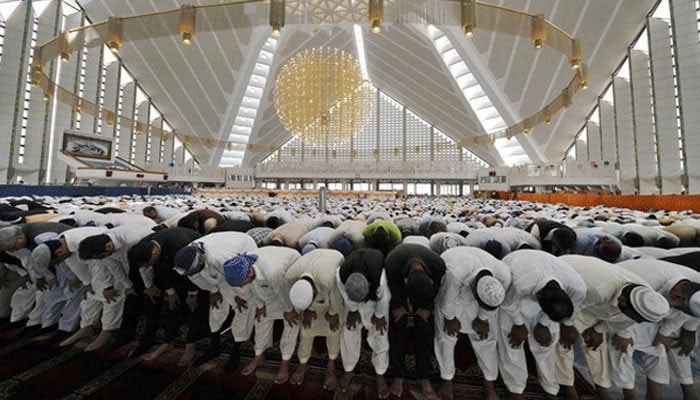
Islam does not divide life into sacred and secular compartments. Instead, it proposes a continuum in which every act may rise into worship or fall into routine. Ritual worship can degenerate into habit, while ordinary actions can ascend into devotion. This tension is nowhere more visible than in ‘Salah’, particularly among Muslims who recite Arabic fluently yet without understanding its meaning. What begins as disciplined practice may gradually harden into automation, until the body prays while the heart remains absent.
Salah becomes ‘aadat’ when form survives, but awareness fades. One rushes through prayer merely to ‘get it done’ before a meeting or meal. After prayer, behaviour remains unchanged and the same anger, dishonesty or arrogance persists.
Islam does not invalidate prayer due to a lack of Arabic comprehension. Scholars have long clarified that legal validity does not depend on linguistic fluency. Yet they consistently warn that a lack of understanding increases the risk that prayer slips into habit, especially when no effort is made to engage with its meaning at any level. Imam al-Ghazali described this state as harakah bila hayah, movement without life, an image that captures the tragedy of worship emptied of spirit.
Yet the same repetition that deadens prayer can also revive it. Even for those who do not understand Arabic fluently, Salah can rise from aadat to ibadat through intentional engagement. A worshipper may learn the basic meanings of the surahs and key phrases recited, transforming memorised sounds into conscious supplication. Familiar verses may be recited with mental translation or partial awareness. In bowing and prostration, one may pause deliberately and internalise humility rather than rushing through prescribed motions. Gradually, prayer begins to influence character through greater patience, restraint and ethical consistency.
Here, understanding need not be complete. Sincerity and effort are sufficient to revive worship. Salah becomes dialogue rather than recital. Emotional intimacy deepens and worship transcends language barriers. Routine repetition remains alive rather than hollow. This demonstrates that meaning, not novelty, sustains devotion.
At the centre of this transformation stands intention. Niyyah remains the decisive pivot, but intention is strengthened by awareness and understanding. Without intention and comprehension, prayer collapses into habit. With intention and even minimal understanding, repetition retains life. The difference lies not in pronunciation but in presence, effort and the orientation of the heart.
The believer’s struggle, then, is not between Arabic and non-Arabic nor between ritual and routine. It is between automation and awareness. When ibadat becomes aadat, worship loses its soul. When aadat becomes ibadat, even repetitive prayer renews the heart.
True spiritual maturity lies not in abandoning form but in infusing form with consciousness. Salah does not demand linguistic perfection. It demands complete presence.
The writer is a former global corporate executive (Unilever, PepsiCo, Yum! Brands), a mental health advocate and a founding board member of Taskeen, a pioneering organisation focused on emotional well-being in Pakistan.