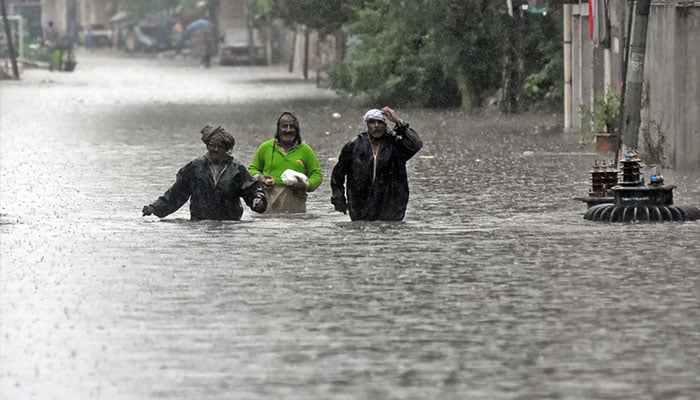
In a move that suggests Pakistan may finally be learning from its painful past, the National Disaster Management Authority (NDMA) has been entrusted with the mandate to review and audit vulnerable public infrastructure and buildings across the country. This follows the prime minister’s directive to develop a 300-day preparedness and response plan for the 2026 monsoon season. It is a timely and necessary initiative and, if implemented in letter and spirit, could significantly reduce the devastation caused each year by extreme rainfall and flooding. There is growing concern that Pakistan may once again experience heavy rainfall this year. In this context, preparedness will play a decisive role in limiting irreversible damage. According to an NDMA report, around 229,763 houses were partially or fully destroyed during the 2025 monsoon season. In addition, 2,811 roads and 790 bridges were damaged. Such large-scale destruction not only displaces thousands of families but also cripples rescue, relief and rehabilitation efforts. When roads and bridges collapse, aid cannot reach those who need it most.
The warnings scientists issued for decades are now manifesting as lived reality. Climate change is no longer an abstract threat but an everyday crisis. The floods of 2022 and 2025 exposed how ill-prepared Pakistan was to deal with extreme weather events. Unchecked urbanisation, weak regulation, environmental degradation and the absence of climate-resilient planning have compounded the country’s vulnerability. While the government’s recent nod towards infrastructure audits and preparedness planning is welcome, it must not become another well-intentioned exercise lost to bureaucratic inertia. Beyond the tragic human toll, floods inflict enormous economic damage. Although Pakistan has recently achieved some macroeconomic stability, this has not translated into meaningful relief for ordinary citizens. Surveys indicate that purchasing power has declined and household resilience has eroded. Each disaster pushes vulnerable communities further into poverty, deepening inequality and undermining social cohesion.
The collapse of a multi-storey building in Lyari last year offered a grim reminder of the fragility of our urban infrastructure. That tragedy was followed by the familiar spectacle of institutions shifting blame rather than accepting responsibility. The new audit programme carries clear mandates for each department and accountability will be crucial. Identifying unsafe buildings is only the first step. Authorities must ensure timely repairs, structural reinforcement or demolition where necessary. Equally important is the humane evacuation of residents. In Lyari, many families refused to leave because they had nowhere else to go. During floods, displaced people often return to dangerous areas rather than remain in poorly equipped temporary camps. This highlights a chronic failure in disaster management: the absence of dignified, secure and adequately resourced shelter options. It is deeply unjust that those who contribute least to environmental degradation suffer the most from its consequences. Fisherfolk, daily wage labourers, slum dwellers and rural communities bear the brunt of disasters they did not cause. If Pakistan is serious about protecting its people, preparedness must be proactive. Audits must lead to action, plans must be funded and coordination must be enforced. The government must place the lives and dignity of its most vulnerable citizens at the centre of climate and disaster policy. Another year of ‘lessons learnt’ without real change is a luxury Pakistan can no longer afford.