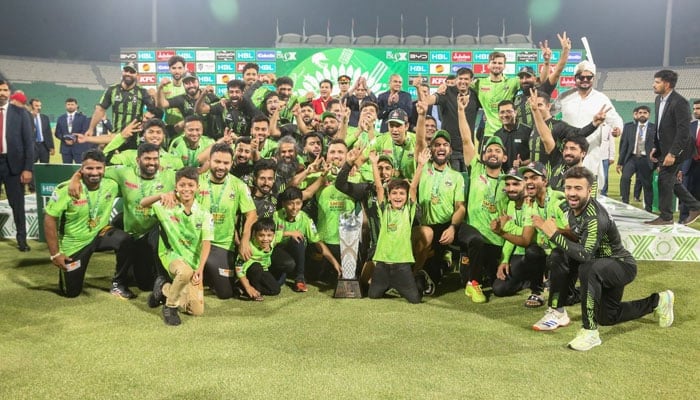
After the addition of two new franchises on Thursday, the 2026 or 11th season of the Pakistan Super League will have eight teams competing for the title. Hyderabad and Sialkot are the newest teams and fans in those cities will undoubtedly be delighted to have local teams that are now part of the tournament. The nation’s premier T20 franchise has come a long way since its inaugural season 10 years ago, when it included just five teams, arguably becoming Pakistan’s most anticipated local sporting event. But the significance of the PSL auction goes beyond what it does for the PSL tournament. The league has also become a symbol of Pakistan’s economic and geopolitical resurgence. Sialkot’s franchise rights were acquired by Australia-based Pakistani businessman Hamza Majeed, owner of OZ Group/OZ Developers, for a staggering Rs1.85 billion per annum and American businessman Fawad Sarwar, head of the FKS Group, successfully secured the Hyderabad franchise for Rs1.75 billion per annum.
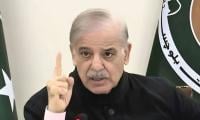
According to PCB chairman Mohsin Naqvi, the bidding alone will inject a staggering Rs36 billion into the PCB’s coffers. Naqvi was also quick to highlight the parallels between the PSL expansion bidding and the landmark PIA-related bidding process and how they reflected renewed investor confidence in Pakistan’s sports economy and governance reforms. While the country’s overall FDI numbers leave a lot to be desired, to say the least, one should not just brush off the successful investments that the current governing setup has been able to attract. The country also glimpsed the importance of the PSL beyond cricket last year during the clash with India, when it was almost cancelled but resumed, reflecting the kind of resilience on the pitch that the country was showing off of it. The fact that the country built its own T20 league after its players were excluded from the IPL is undoubtedly a feather in the cap of the nation’s sports authorities. It is also good to see that the PCB’s dispute with the owners of the Multan Sultans and the former’s takeover of the team for the 2026 season does not appear to have done any lasting damage to the PSL brand.
However, with all this money flowing into franchise cricket, fans are right to question the contrasting fortunes of the PSL and the national team. Though some might argue that the two should be looked at separately, what is the point of having a big, shiny T20 league if it does not benefit the national team and the nation’s overall cricket infrastructure in some way. This point is only strengthened by the fact that many national team players play in the PSL and have done quite well from it, despite delivering disappointing performances while wearing the country’s colours. The next step for the PSL should be to find ways that it can have a stronger positive impact on Pakistan’s cricket scene. And while PSL 2026 will bring more games and more excitement, there are issues with the tournament itself that need to be sorted. The security arrangements that the tournament brings and the associated traffic can be quite burdensome. However, this is an issue that cannot be laid at the feet of the PSL or the PCB alone and likely requires better coordination with the security authorities. This expansion is a great moment for the PSL and addressing these outstanding concerns will only strengthen the league’s future.