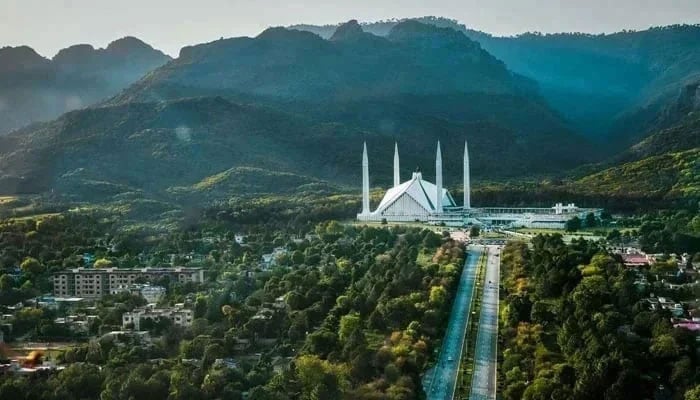
The capital city was designed to be a green, leafy refuge from urban sprawl. Not so today. Our obsession with ‘development’ seems to have reached Islamabad too. In the most recent example, there has been outcry over the city authorities cutting down trees. The authorities say this is being done to reduce pollen-related allergies, the federal capital administration and the CDA having removed more than 29,000 paper mulberry trees from across the city. Officials say this is a targeted public health intervention, insisting that only non-native, highly allergenic paper mulberry trees were felled and that each removed tree will be replaced with three native saplings – including fruit-bearing and pine species – to ensure overall tree cover is maintained and enhanced. On paper, such an approach seems reasonable: mitigate the suffering of allergy and asthma sufferers without diminishing the city’s greenery. The health dimension is real enough; pollen allergies do afflict a significant portion of the urban population, leading to increased hospital visits and discomfort for many residents and at one time the city was called the world’s allergy capital. Yet the optics and the implementation do raise broader questions about how we value and manage our urban forests. Across social media and civil society circles, critics have pointed to clear patches of bare land where once mature trees stood, arguing that the definitions of ‘allergen’ and ‘non-native’ have been stretched to justify widespread felling of healthy trees. Amid the uproar, the PM Office has taken notice.
The issue is not whether pollen allergies are a problem – they clearly are – but whether cutting down trees is the most sensible or sustainable way to address them. To use a cliche, trees are lungs for our cities. Losing mature trees cannot be offset overnight by planting saplings, however well-intentioned. Saplings take years, even decades, to deliver the same ecosystem services that a mature tree provides. If we allow ad-hoc cutting of trees in the name of allergies, we risk normalising the destruction of our green assets. And let’s be clear: Islamabad is not alone in this. Across Pakistan, governments – at federal, provincial and municipal levels – have shown an unsettling tendency to chop trees. Its almost a strange compulsion.
To be fair, we have seen some positive initiatives over the years. The country’s ambitious Plant for Pakistan programme and Ten Billion Tree Tsunami drive aimed to vastly expand forest cover nationwide. But planting trees is only half the equation. Protection of existing, mature tree stock must be a parallel priority. This requires stronger legal protections, transparent decision-making, genuine community participation in urban forestry decisions and clear scientific criteria for when and why trees should be removed. If allergies are to be addressed, there are alternatives: strategic pruning, public health campaigns, planting low-pollen species in public spaces and investing in healthcare support for sufferers. Cutting trees in the name of solving a problem should not become a favourite pastime for civic authorities. Just writing ‘green’ on policies and papers won’t make our cities any better.