Sindh Chief Minister Syed Murad Ali Shah on Saturday assessed the development projects under way, stressing that irrigation infrastructure and agricultural growth are vital for the province’s economy.
During an important review meeting he chaired at the CM House, Shah directed the relevant departments to ensure the timely completion, strict quality standards and diligent monitoring of all key projects, underscoring their importance for food security and economic stability.
He highlighted a comprehensive approach to addressing water and agriculture concerns. He said his government is committed to strengthening the irrigation system, and termed water management the backbone of the province’s agricultural success. “To achieve self-sufficiency in food and boost exports, we must modernise and make our irrigation infrastructure resilient against climate challenges.”
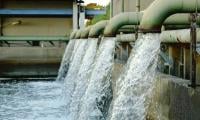
Irrigation Minister Jam Khan Shoro briefed the CM on the ongoing and upcoming projects, including the critical task of replacing 27 gates of the Sukkur Barrage during this canal closure. This upgrade aims to prevent water flow disruptions during peak crop seasons, ensuring a sustained water supply for millions of farmers.
The government has already initiated work on 25 gates, with a focus on completing all replacements within the stipulated time frame. Shah emphasised that the Sukkur Barrage is the lifeline of Sindh’s agriculture, making its rehabilitation a top priority.
He also ordered increasing the scope to cover all 27 gates, warning that any delay could severely impact regional food security as well as water availability.
He also reviewed progress on the vital KB Feeder lining for K-IV, a project designed to augment Karachi’s water supply by 50 per cent. The work is currently 60 per cent complete and is expected to finish by the end of this month.
However, Shah expressed concern over the partial completion, and instructed that at least 70 per cent be completed during the current canal closure to ensure adequate water flow, reduce losses, and support urban and industrial needs.
He also emphasised the importance of de-silting and regular maintenance of canals to improve conveyance efficiency and fairness in water distribution. The de-silting of Akram Wah, supported by World Bank funding, is under way and awaiting approval, with other canal projects progressing rapidly. He urged accelerated efforts to prevent water shortages during the upcoming crop season.
He directed the planning & development and finance departments to expedite fund releases, and closely monitor project progress, expenditures and quality standards. He warned against delays and substandard work, stressing that water security, agricultural productivity and urban water supply are interconnected and crucial for the province’s overall stability.
He concluded the meeting by instructing the relevant departments to submit detailed progress reports on all projects. He emphasised that accountability measures would be enforced for any delays or quality issues, ensuring that development goals are achieved to support Sindh’s economic growth.