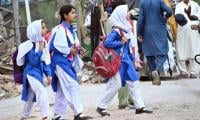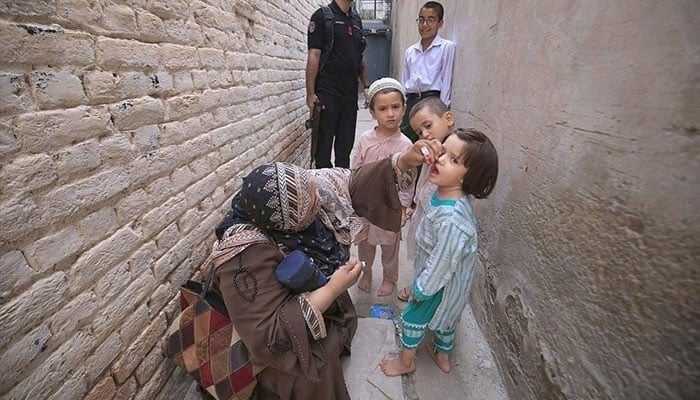
PESHAWAR: Khyber Pakhtunkhwa achieved 97 per cent polio vaccination coverage in 2025, immunising more than 6.25 million children, but the provincial capital recorded the highest number of refusals despite full access for vaccination teams, highlighting entrenched vaccine hesitancy in the province’s most connected district.
Official data released by UNICEF and the provincial polio focal person showed that out of a provincial target of 6.48 million children, 18,349 were missed due to parental refusal and 82,393 were recorded as not available. Peshawar alone accounted for 6,017 refusals and 9,192 absentee cases, even as it achieved 100 per cent numerical coverage, exposing a critical gap between statistical success and ground realities.
Several central districts mirrored this paradox, though on a smaller scale. Mardan achieved full coverage by vaccinating 405,023 children against a target of 407,015 but reported 1,319 refusals and 5,245 not available cases. Nowshera reached 98 per cent coverage with 696 refusals and 4,714 absentee children, while Swabi recorded 99 per cent coverage alongside 726 refusals and 3,032 not-available cases. Kohat and Karak also reported high coverage levels but continued to register resistance and absenteeism.
Northern Khyber Pakhtunkhwa demonstrated near-universal acceptance. Batagram exceeded its target, vaccinating 93,166 children with zero refusals and 414 absentee cases. Buner, Shangla, Chitral Lower and Upper, Dir Lower and Upper, Kohistan Upper and Lower, and Kolai Palas all achieved full or over-target coverage with minimal absenteeism and no refusals.
Mixed results persisted in other districts. Abbottabad and Haripur reported coverage of 97 and 95 per cent respectively, with small but notable refusal cases. Malakand, Mansehra, Swat, and Hangu achieved near-complete coverage with limited refusals, while Mohmand recorded 95 per cent coverage, continuing to face resistance.
The most serious challenges were in southern districts, where repeated attacks on polio teams exacerbated low vaccination coverage. North Waziristan recorded only 53 per cent coverage, vaccinating 73,047 children against a target of 138,670, alongside 321 refusals and 655 absentee cases. South Waziristan Upper and Lower achieved 75 and 86 per cent coverage respectively, with teams frequently facing threats, harassment, and physical attacks during the campaigns, highlighting persistent security and community resistance.
Health officials said that while provincial coverage appeared high, the concentration of refusals in Peshawar and southern districts posed the most serious obstacle to eradication. They warned that numerical targets alone were insufficient, stressing the need for sustained community engagement, targeted awareness campaigns, and strengthened security measures to ensure the safety of polio teams and overcome entrenched hesitancy in high-risk areas.