PESHAWAR: Despite the failure of multiple peace agreements over the past two decades, the Pakistan Tehreek-e-Insaf (PTI) continues to advocate negotiations with the banned Tehreek-e-Taliban Pakistan (TTP).
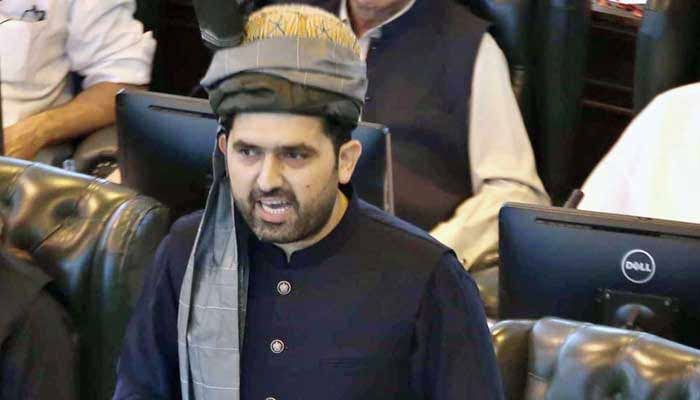
Addressing the provincial cabinet on Monday, Chief Minister Sohail Afridi said that no operation would be allowed in Khyber Pakhtunkhwa and that military operations are not a solution to any issue. The peace jirga had also rejected the operation. He said that peace cannot be established through decisions made behind closed doors.
“Although preparations for an operation are reportedly under way in the province, no individual or institution has the authority to impose its decision on Khyber Pakhtunkhwa by force, he said
Pakistan had entered into several peace agreements with the TTP and its affiliated militant groups, but none succeeded in bringing about lasting peace. Following the collapse of these agreements, the state was repeatedly forced to launch large-scale military operations in different parts of Khyber Pakhtunkhwa and the former tribal districts.
In the past, Pakistani authorities signed peace accords with militant leaders, including Naik Muhammad, Baitullah Mehsud, Hafiz Gul Bahadar, Sufi Muhammad, Maulana Fazlullah, Faqir Muhammad, and Mangal Bagh.
The first peace agreement was signed in April 2004 in Shakai, South Waziristan, with Naik Muhammad Wazir. The deal followed a military operation launched in March 2004 aimed at pressuring him to sever ties with foreign militants. Under the agreement, the government released prisoners and paid compensation for property damage, while Naik Muhammad pledged to register foreign militants and halt cross-border attacks. The agreement collapsed within weeks, leading to renewed military action. Naik Muhammad was later killed in a US drone strike in June 2004.
In February 2005, another peace agreement was reached with Baitullah Mehsud in the Srarogha area of South Waziristan. The deal soon unraveled as clashes resumed between militants and security forces. Baitullah Mehsud was killed in a US drone strike in August 2009.
A further agreement was signed in September 2006 with North Waziristan commander Hafiz Gul Bahadar, primarily focused on the expulsion of foreign militants from Pakistani soil. The accord broke down in May 2007.
In May 2008, a 16-point peace agreement was reached in Swat between the provincial government and Taliban militants. Disagreements emerged within days, and despite the later implementation of the Sharia-based Nizam-e-Adl Regulation in February 2009, militant attacks continued.
The Pakistan Army subsequently launched Operation Rah-e-Haq, forcing Maulana Fazlullah to flee the Swat Valley. Similar non-aggression agreements were reached with Faqir Muhammad in Bajaur after Operation Sherdil in August 2008 and with Lashkar-e-Islam chief Mangal Bagh in Khyber district following a military operation in June 2008. Both agreements were later violated, prompting renewed military action.