A recent report by the UNSC has once again laid bare a reality that Pakistan and several other countries in the region have been pointing to for years: Afghanistan under the Taliban has become a haven for multiple terrorist organisations. The report explicitly rejects the Afghan Taliban’s repeated claim that militant groups are not operating from their territory, stating clearly that this assertion is “not credible”. In doing so, it not only vindicates Pakistan’s longstanding position but also raises serious questions about the Taliban regime’s intentions, capacity and responsibility as the de facto authority in Kabul. According to the UNSC report, member states have confirmed the presence and activity of groups such as the TTP, Daesh Khorasan, Al-Qaeda and other foreign militant outfits on Afghan soil. Of these, the TTP is identified as the most significant regional threat, operating from safe havens inside Afghanistan and carrying out attacks across the border. This assessment directly contradicts Taliban denials and also shows why neighbouring countries increasingly view Afghanistan as a growing source of regional instability.
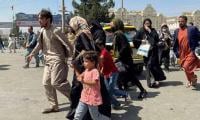
Perhaps most revealing is the report’s insight into divisions within the Taliban leadership itself. Some senior figures reportedly view the TTP as a liability that is unnecessarily antagonising relations with Pakistan, while others remain supportive of the group. Yet the report also notes that given historical ties, the Taliban are unlikely to confront or act decisively against the TTP and may even lack the capacity to do so. This admission is damning. The findings also reiterate the close links between Al-Qaeda and the Taliban, while identifying Daesh-K as the Afghan Taliban’s principal rival. Together, these details paint a troubling picture of Afghanistan as a crowded and dangerous militant landscape, one that threatens not just its neighbours but also wider regional and international security. At the same time, Afghanistan is facing a deepening humanitarian catastrophe. The UN has warned that more than 17 million people will face acute food insecurity this winter. The forced return of over 2.5 million Afghans from Iran and Pakistan this year has further strained an already fragile system with limited resources and infrastructure. Meanwhile, the Taliban’s draconian policies, particularly against women and girls, have drawn international condemnation, including targeted sanctions and travel bans by countries such as Australia.
When these strands are brought together, one conclusion becomes unavoidable: the greatest victims of the Taliban’s disastrous policies are the Afghan people themselves. The repatriation of Afghan refugees from neighbouring countries is also closely linked to Kabul’s refusal to act against terrorist networks that carry out cross-border attacks. Islamabad has, for the past four years, urged the Taliban through diplomatic channels to take concrete action against the TTP. Kabul has chosen denial. This stubborn refusal has consequences. By shielding or tolerating militant groups, the Afghan Taliban are turning Afghanistan into a hub of terrorism once again and alienating not just Pakistan but the broader international community too. Observers are right to note that Afghans, whether inside the country or in exile, are paying the highest price. The longer the Taliban cling to policies that enable militancy and repression, the deeper Afghanistan will sink and the harder it will be for its people to escape war, hunger and isolation.