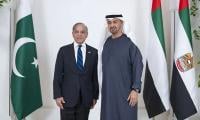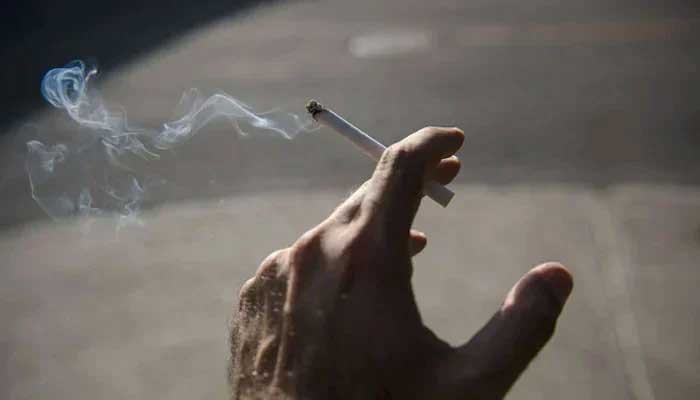
ISLAMABAD: After witnessing no decline in consumption, the World Health Organisation (WHO) has asked the Federal Board of Revenue (FBR) to raise tax rates on cigarettes and beverages in order to bring them at par with the desired levels. The UN health agency also pro posed introducing one tier system for tobacco. It also recommended full implementation of its 3 to 35 Initiative for discouraging the consumption of tobacco, beverages and alcohol to present Pakistan in a leading role on the global stage.
An FBR delegation vis ited the WHO headquarters in Geneva, Switzerland, last week and held par leys for two days. The WHO high-ups conceded that the consumption of tobacco did not decrease in Pakistan. They also dwelt upon the rising issues related to the effectiveness of the Track and Trace System (TTS) and apprised the FBR that enforcement and proper tracing were essential to unearth tax evasion.
The FBR briefed the WHO high-ups on the enforcement measures against illicit cigarettes. The Pakistan Bureau of Statistics (PBS) data shows that the cigarette industry production decreased from 67 billion sticks in 2013 to 33 billion sticks in 2024 due to hike in tax rates in the country. But the con sumption of cigarettes stood at around 80 billion sticks per annum. However, the overall consumption of tobacco did not decrease because the consumers shifted from tax-paid cigarettes to illicit cigarette brands.
This shift has occurred mainly because tax-evaded brands have become affordable. Various studies and surveys show that the share of illicit cigarettes stood at 35 per ent in 2021/22; however, after an excessive excise increase in 2022/23 of over 200 per cent, a sharp increase in illicit cigarettes was witnessed reaching to levels of 56 per cent of the total cigarette industry, evad ing over Rs300 billion in excise.
The Ministry of National Health Services & Regulations (MONHSR) has multiple laws like the Prohibition of Smoking and Protection of Non-smok ers’ Health Ordinance (NSO) 2002 and the Cigarettes (Printing of Warning) Ordinance 1979. Through the NSO, a complete TAPS ban was imposed in Pakistan in 2020. The ban and other laws are openly being flouted by illicit players where they are advertising and promoting tobacco products without the mandated health warnings to create awareness and demand for their brands.
The MONHS&R has been unable to enforce its laws across the country. The WHO presented the 3 by 35 Initiative, an effort to increase the real prices of tobacco, alcohol and sugary drinks by at least 50 per cent by 2035 through tax increases, while taking into account each country’s unique context.
In case of Pakistan, there is a context that the increase in prices did not result into decrease in consump tion of tobacco or sugary drinks but it shifted the consumption towards illicit and untaxed brands. Industry sources said that one of the leading global mul tinationals, Phillip Morris International (PMI) had already delisted from the Pakistan Stock Exchange and there is an apprehension that the situation may worsen if additional excise duty is imposed without curtailing illicit brands consumption.