KARACHI: The revised tariffs of the US on Pakistani goods are likely to result in annual revenue losses of up to $0.49 billion, constraining foreign exchange reserves and pressuring the current account balance, given that the US is a major destination for Pakistan’s labour-intensive industries.
Under US President Donald Trump’s administration, Pakistan initially faced a 29 per cent tariff, which was later reduced to 19 per cent following diplomatic efforts. However, its textile exports, a crucial source of foreign exchange, remained vulnerable, with potential declines in export revenues of up to 25 per cent, revealed the latest report of the South Asian Association of Accountants (SAFA), an affiliate body of the South Asian Association of Regional Cooperation (SAARC).
The report indicated that, at the domestic level, the tariff shock poses profound implications for Pakistan’s industrial employment and production cycles, particularly within the textile hubs of Faisalabad, Karachi and Lahore, where thousands of workers could face layoffs. Nonetheless, the report noted, this challenge also offers an opportunity for strategic realignment.
“Pakistan’s diversification into regional and emerging markets — such as India, Bangladesh, Sri Lanka and the GCC — could unlock an additional $2-3 billion in exports annually. To capitalise on these prospects, Pakistan must enhance value addition, adopt sustainable production standards, and strengthen logistics and export financing mechanisms,” it said.
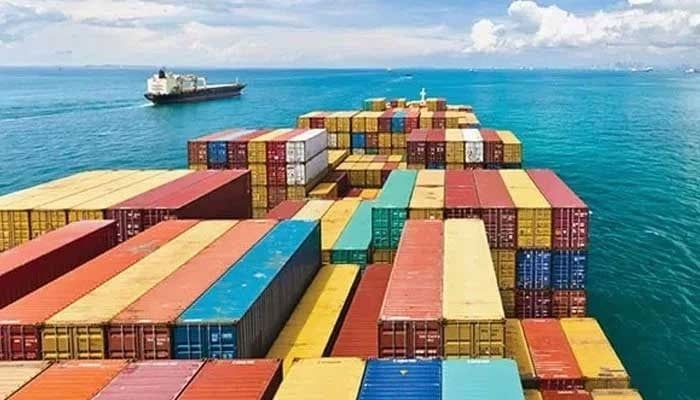
Pakistan’s exports to the US have shown steady growth over the past decade, increasing from $3.68 billion in 2014 to a peak of $4.24 billion by 2025, driven mainly by textiles, apparel and leather goods. The textile sector, encompassing both knitted and non-knitted apparel, has consistently accounted for over 80 per cent of Pakistan’s exports, supported by its strong cotton base and integrated manufacturing capacity.
However, the recent US tariff escalation under the Trump Administration has disrupted this growth trajectory. The new tariff structure has increased the landed cost of Pakistani textiles and apparel by up to 18 per cent, eroding price competitiveness and potentially triggering a decline in export volumes of 20-30 per cent.
Pakistan’s trade relations with the US under the Trade and Investment Framework Agreement (TIFA) are hindered by rigid tariffs, import SROs and non-tariff measures, including inconsistent customs valuations, restrictions on genetically engineered products and prohibitive requirements for halal certification. Pakistan’s designation on the US Special 301 Watch List due to weaknesses in intellectual property enforcement further complicates market access.
The report said that US-Pakistan trade exhibits moderate but persistent asymmetries. US exports grew from $1.25 billion in 2004 to $2.14 billion in 2024, primarily comprising cotton, soybeans, chemicals, machinery, aircraft parts, electrical equipment and defence-related goods. Conversely, imports increased from $3.49 billion to $5.47 billion, chiefly driven by textiles and apparel, leather products, surgical instruments, sports goods and rice.
Textiles constitute over 70 per cent of Pakistan’s exports to the US.
In 2024, Pakistan accounted for only 4.6 per cent of US exports to the SAARC region and 5.0 per cent of imports, resulting in a US trade deficit of approximately $3.3 billion. Economically, the relationship remains shaped by Pakistan’s reliance on US market access for its textile exports. Diplomatically, trade intersects with broader strategic issues, frequently emphasising market diversification, energy cooperation and advancements in value-chain development.