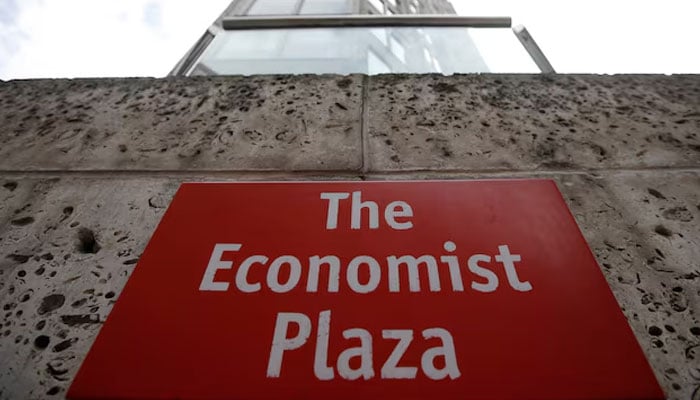
NEW YORK/LONDON: The sale of a large stake in the Economist publication is coming to a head this week, as bidders submit expressions of interest by Friday’s deadline for a 27 per cent stake, three people familiar with the matter said.
At least a dozen parties, including ultra-wealthy individuals and media companies, have already shown preliminary interest, one of the people said.
It’s been a decade since a share close to this size has been up for grabs. Britain’s Pearson sold its 50 per cent stake in 2015 to the holding group of Italy’s wealthy Agnelli family for 469 million pounds ($531 million), ending its nearly 60-year ownership in the magazine.
Philanthropist Lynn Forester de Rothschild is putting the Rothschild banking dynasty’s share of the Economist up for sale three years after the death of her husband, Evelyn de Rothschild, who chaired the Economist from 1972 to 1989, according to the people, who spoke on condition of anonymity because the matter is private.
The Rothschild family financed Europe’s military operations in the Napoleonic Wars, bailed out the Bank of England in 1825 and funded Britain’s purchase of a controlling stake in the Suez Canal in 1875, according to the Rothschild archive.
The Rothschild family and the Economist did not respond to requests for comment.
Founded in 1843, the publication has nearly 1,000 shareholders, with Exor, a holding vehicle for Italy’s Agnelli family, owning a 43.4 per cent stake and the Rothschilds owning 27 per cent, according to the Economist’s annual results.
The sale is made more complex as the Economist’s governance is structured to ensure the editorial process at the 182-year-old publication remains independent, prohibiting any one individual or company from owning a controlling stake in the corporate parent.
There have been few opportunities in recent years to buy into prestigious and influential British media empires. The owner of the Daily Mail, DMGT, recently stepped in to scoop up the Telegraph Media Group after British regulators banned foreign ownership of UK newspapers.
That forced US-based RedBird Capital to withdraw its GBP500 million ($658.5 million) joint bid with Abu Dhabi-backed IMI for the Telegraph.
The Economist is profitable and has been expanding its subscriber base. Revenue for the six months ended September 30, 2025, was GBP170 million and operating profit was GBP20 million, up 23 per cent on the prior year, according to its most recent published figures.
The sale of the Rothschild stake, which includes about 20 per cent in voting shares, could value the media company around GBP800 million ($1.06 billion), a person familiar with the matter said.
Two senior US media executives said a stake in the Economist may appeal to ultra-wealthy people who would see it as a means to further their access to elite circles.
“Even if you’re at Davos, it’s crowded. But the Economist gets you respect,” one media CEO said. “It will open a lot of interesting doors.”