ISLAMABAD: Pakistan has once again made a strong showing in the latest edition of the annual list titled The 500 Most Influential Muslims, published by the Jordan-based Royal Islamic Strategic Studies Centre (RISSC).
The report recognises individuals from across the Muslim world who hold substantial cultural, religious, political, social or economic influence.
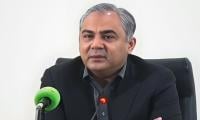
The list includes many prominent Pakistanis across sectors. Among them are: Prime Minister Shehbaz Sharif; Chief of Army Staff Field Marshal Asim Munir; Justice Muhammad Taqi Usmani; Maulana Nazarur Rahman; former prime minister Imran Khan; Hafiz Naeemur Rahman as “an emerging political leader with grassroots vision”; Sajid Ali Naqvi; Maulana Tariq Jameel; Dr Tahirul Qadri; and media stalwarts such as Mir Shakil-ur-Rahman (Editor-in-Chief of Jang Media Group and Geo TV Network) — hailed as the “most powerful” figure in Pakistani media.
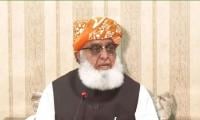
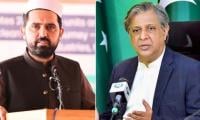
Also listed: anchor Hamid Mir; Dr Umar Saif; filmmaker Sharmeen Obaid Chinoy; Nobel laureate Malala Yousafzai; Sufi singer Abida Parveen; Ahmed Akbar; Maniba Mazari; Owais Raza Qadri; Prof Attaur Rehman; Dr Adibul Hasan Rizvi, among others. A key feature of this year’s list is that only the top 50 persons receive an explicit numerical rank (1-50). The remaining 450 names are listed without specific ranking. From Pakistan, only two individuals are in the ranked Top 50: Justice Taqi Usmani is placed at 6th, while Maulana Nazarur Rahman is at 42nd.
The RISSC report notes that Shehbaz Sharif became Pakistan’s 24th Prime Minister in March 2024, having previously served as the 23rd PM from 2022-2023, and highlights his focus on governance, economic stability and strengthening civil-military relations. Field Marshal Asim Munir is recognised as the first Pakistani Army Chief who is also a Hafiz-e-Quran; he was appointed in November 2022 and promoted to Field Marshal in May 2025 after a war with India. He is the first Pakistani since Ayub Khan to hold that rank in a period of major political and economic challenges.
The list comments on Imran Khan’s inclusion, describes Barelvi scholar-leader Maulana Nazarur Rahman, and identifies Sajid Ali Naqvi as a leading moderate Shia voice in Pakistan’s religious-leadership landscape.
In the media and culture category, Mir Shakil-ur-Rahman is dubbed a “media mogul” and credited with leading Pakistan’s largest independent media house; his arrest in 2020 in a decades-old land-deal prior to being acquitted in 2022 is mentioned as part of his narrative of press-freedom struggle.
Hamid Mir is featured for his fearless journalism, survival of assassination attempts and continued role as anchor of the popular talk-show Capital Talk. The report also highlights cultural figures such as Abida Parveen (Queen of Sufi music), Owais Raza Qadri (with more than 4 million followers), Sharmeen Obaid Chinoy (two-time Oscar winner, creative changemaker), and Maniba Mazari (human-rights campaigner and Pakistan’s first female wheelchair-bound TV host and UN goodwill-ambassador).
From academia and science, Prof Attaur Rehman (first Muslim scientist awarded the UNESCO Science Prize), Dr Umar Saif (first Pakistani selected by MIT Technology Review among the world’s 35 young innovators) and Dr Adibul Hasan Rizvi (humanitarian and founder of Pakistan’s largest free-health-care organisation in Karachi) are also featured.
The inclusion of such a wide spectrum of Pakistani figures – spanning politics, military, religion, media, culture, science and human-rights – underlines the country’s diverse influence in the global Muslim community. The RISSC stresses that inclusion in the list does not reflect endorsement of any individual’s beliefs or actions, but rather recognises their level of influence.
In the list of the world’s most influential Muslim personalities, Saudi King Salman ranks first. The report notes that he controls 20 per cent of the world’s oil reserves. Iran’s Supreme Leader Ayatollah Seyyed Ali Khamenei is ranked second, with the report stating that, as a religious leader, he plays a decisive role in Iran’s political affairs.
Among the top five, Qatar’s Emir Sheikh Tamim bin Hamad Al Thani is ranked third, Turkey’s President Recep Tayyip Erdoan fourth, and Jordan’s King Abdullah II ibn al-Hussein fifth. Saudi Crown Prince Mohammed bin Salman is placed at tenth position.