ISLAMABAD: A new nationwide survey by Gallup Pakistan has revealed the extensive and lingering impact of flooding across the country, highlighting widespread destruction, displacement, and dissatisfaction with relief efforts — particularly among rural and low-income communities.
According to the survey, 41pc of Pakistanis reported being directly affected by floods or heavy rainfall, with the burden falling heaviest on rural residents (45pc) and poor households (52pc). While 57pc of those impacted believed floodwaters would recede within a month, nearly one in five (19pc) feared that the flooding would persist for more than three months — underscoring uncertainty in recovery timelines.
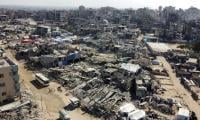
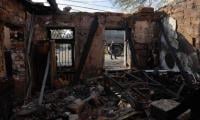
The survey paints a grim picture of housing damage and displacement. Nearly one in four households (23pc) experienced floodwaters entering their homes, and among affected families 33pc reported their homes were completely destroyed.
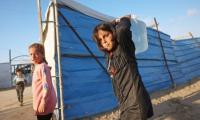
Recovery has been slow. Only 17pc of displaced families have fully returned to their homes, while a staggering 78pc remain displaced. Poor households were found to be the least likely to return, facing both financial and infrastructural hurdles.
The economic impact of the floods has been devastating. Nearly half (46pc) of affected households reported a complete halt in income, while 43pc experienced partial losses. In total, 61pc said their incomes had fallen. The agricultural sector was hit particularly hard, with 65pc of farmland and 74pc of crops damaged or lost due to flooding.
Essential services saw sharp declines in flood-affected areas. Half of affected households reported limited access to clean drinking water. Sanitation facilities were also compromised — 42pc had access to permanent toilets, 27pc used temporary or shared facilities, while 16pc resorted to open defecation.
Despite the scale of the crisis, more than 80pc of affected families said they had received no form of relief assistance.
Early warning systems were also found lacking, with only 12pc receiving alerts via SMS and 10pc through television broadcasts.
The post-flood environment has triggered serious public health issues. Fever was reported by 25pc of households, followed by skin infections (10pc) and diarrheal diseases or cholera (7pc).
When asked about the most pressing needs following the floods, respondents identified housing (31pc), cash support (28pc), and food assistance (23pc) as top priorities.
Public opinion on the government’s response was divided — 42pc rated the performance as good, while 27pc called it poor. Perceptions of fairness in aid distribution were also concerning: 49pc of respondents believed relief reached the powerful, while only 21pc felt it reached the most vulnerable.
Overall, the findings paint a picture of uneven recovery, with socio-economic disparities clearly influencing both exposure to flood damage and access to assistance. Gallup’s survey underscores the urgent need for more inclusive and transparent disaster response mechanisms as Pakistan continues to grapple with the aftermath of increasingly frequent climate disasters.