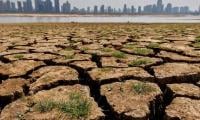
The term ‘sustainable tourism’ refers to sustainable and nature-based tourism. The purpose of such tourism is not only to enjoy and learn about nature and provide economic benefits to local communities, but also to conserve the environment.
The World Tourism Organisation defines sustainable tourism as “tourism that takes full account of its current and future economic, social and environmental impacts, addressing the needs of visitors, the industry, the environment and host communities”.
Tourism is an important source of economic activity, generating revenues and providing employment opportunities to local communities. But tourism and environment/climate change are interdependent and interrelated and tourism can also deteriorate the environment if not planned keeping in view the principles of eco-tourism and models to conserve the environment.
First, tourism contributes to carbon emissions. The transportation used by the tourists and the export of necessary items to promote and fulfil the needs of the tourism industry contribute to carbon emissions. According to Sustainable Travel International, “Tourism is responsible for roughly 8.0 per cent of the world’s carbon emissions, which includes 49 per cent transport, 12 per cent goods, 10 per cent food & beverages, 8.0 per cent services, and 6.0 per cent lodges”.
Tourism also leads to deforestation and loss of biodiversity. To create more tourist opportunities, wilderness is converted into hotels, resorts and parks, which causes the clearing of forest lands and the loss of habitat of many rare animals.
Environmental and climate-led disasters also impact the development of tourism in a country. For example, deforestation and the extinction of animals and other species can lead to a decline in a country’s tourism industry. According to Climate Impact Partner, “It is estimated that we lose 137 species of animals, plants, and insects every day due to deforestation.”
Pakistan is also a tourist destination for its scenic beauty in the northern areas, with the presence of the highest mountain range. But these tourist destinations in Pakistan are also under threat due to massive deforestation, illegal construction, and encroachments. The unchecked construction of hotels and resorts on rivers and in natural areas poses a risk to environmental conservation and contributes to climate-driven disasters. Pakistan has already been declared among the top ten countries most affected by climate change and prone to climate-led disasters. The recent floods in Pakistan are caused by climate change, but the magnitude of the catastrophe increased manifold due to illegal and unchecked construction and deforestation.
There is a delicate balance between tourism and environmental conservation. There are several strategies to promote eco-tourism. First of all, there should be a complete check and record of infrastructure development at tourist spots. The construction of hotels and restaurants should only be allowed if they comply with environmental laws. All owners must submit a comprehensive plan to follow environmental strategies like the use of renewable energy resources, waste management and the utilisation of climate-friendly materials in construction. There should be regular monitoring of these hotels/restaurants to implement these strategies.
Innovative ideas should be adopted to promote and attract tourists for low-impact activities like hiking, cycling and wildlife viewing. Similarly, an environmentally friendly transportation system should be introduced at the local level, and to and from the tourist destination. It is also equally important to have proper waste management systems at tourist destinations. Separate trash bins should be placed at tourist spots for recyclable, organic and non-biodegradable wastes. Tourists should be fined heavily for throwing trash in public places.
Local vendors and business owners should be encouraged to sell environmentally friendly products. It’s important to keep a check on the number of tourists entering the tourist spot to avoid overburdening natural resources. Itis also the responsibility of tourists to adopt waste management strategies of reduce, reuse and recycle. They should also research environmentally friendly lodging and sightseeing options before planning their visit and choose the best options that promote eco-tourism. This will discourage the local tourism industry from violating environmental laws.
The writer is a graduate of the University of Oxford in Public Policy. She tweets/posts @zilehumma_1 and can be reached at: [email protected]