GILGIT: Gilgit-Baltistan’s (GB) glaciers, rivers and forests generate an estimated Rs2.7 trillion (US $9 billion) annually, yet their value remains absent from Pakistan’s national planning, experts warn.
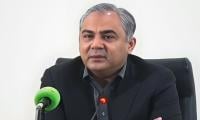
“Gilgit-Baltistan is the ecological heart of Pakistan,” said Khadim Hussain, Director of the Environmental Protection Agency, while speaking to The News on Saturday. “Almost 90 percent of the country’s agriculture and hydropower depends on water from here, but in our economic accounts its value is zero. That is dangerous.”
The region is home to more than 8,400 glaciers that feed the Indus River Basin, in addition to vast forests, pastures and rare wildlife. Hussain said that conservative estimates show water and glaciers contribute over Rs2,000 billion annually, forests Rs300 billion, tourism Rs150 billion, biodiversity Rs50 billion, while disaster risk reduction contributes Rs200 billion.
“These numbers do not include carbon financing or climate credits, which could add billions more,” he added.
Despite laws such as the Gilgit-Baltistan Environmental Protection Act 2014 and the Climate Change Strategy 2023, ecosystem valuation has not been integrated into planning. Hussain said this blind spot leads to billions being spent on projects without assessing ecological costs.
“When roads cut through glacier valleys or dams disrupt river ecosystems, no one accounts for what is lost,” he warned.
Globally, governments are adopting Natural Capital Accounting (NCA) to integrate ecosystem values into economic decisions. Hussain urged Pakistan to follow suit, calling it an “economic imperative.”
“Digitising governance through satellite monitoring, GIS mapping and open data can help make more science-based and transparent decisions,” he said.
With climate change accelerating glacier melt and increasing flood risks, Hussain cautioned that time is running out. “If we keep ignoring the value of these assets, they may be degraded beyond repair — and the cost will be unbearable,” he said.
For now, Pakistan’s most vital ecological resources remain unrecognised and undervalued, even as they underpin the country’s water, food and energy security.