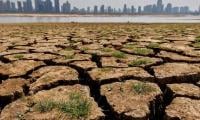
International Youth Day is celebrated on August 12 every year to highlight the problems and challenges faced by the younger generation and to work together to identify solutions. According to the UN, there are 1.2 billion young people aged 15 to 24, accounting for 16 per cent of the global population. Today, one of the greatest challenges confronting youth is climate change.
The impacts of climate change are visible all around the world in the form of floods, glacier melt, droughts, heatwaves and rising sea levels. These disasters not only negatively affect various socio-economic sectors but also disproportionately impact vulnerable groups, especially young people.
The first threat climate change poses to young people is its impact on mental health. The loss of family members or friends in climate-induced disasters leads to trauma and long-term psychological challenges that hinder healthy development and continue to affect them later in life. Such children struggle to avail opportunities for personal growth and to support their families. They may also become victims of climate anxiety or depression, which reduces their learning outcomes.
The second challenge created by climate-related disasters is the loss of educational opportunities. Many families lose their sources of income during such disasters, forcing them into financial crises and limiting their ability to cover educational expenses. As a result, children are often withdrawn from school and pushed into child labour to help support their families. The time and age that should be devoted to gaining knowledge and building a future is instead spent on financial survival. Displacement and the destruction of educational infrastructure during climate catastrophes deprive young people of the chance to learn and improve their lives.
Third, the young generation faces economic and financial challenges caused by climate change. Natural disasters weaken job markets, while damage to crops from floods or droughts directly affects employment opportunities in rural areas. Consequently, many young people migrate to urban centres in search of better livelihoods. However, scarce resources and weak economies in many developing and underdeveloped countries fail to create enough opportunities for these displaced populations, leaving them trapped in cycles of poverty.
Fourth, climate change is also causing serious physical health challenges for youth worldwide. Families affected financially by climate disasters often cannot provide nutritious food to their children during critical growth years. Malnutrition leads to stunting, poor cognitive development, and other impediments to healthy growth. Waterborne diseases also spread rapidly after floods, affecting young populations. Rising temperatures and pollution contribute to illnesses such as asthma, eye infections and skin problems. These health issues weaken young people, limiting their ability to pursue education, acquire skills and contribute positively to their families and to society.
Fifth, after any natural disaster, the young become more vulnerable to involvement in illegal activities. The financial crises and lack of economic opportunities force young people to adopt unlawful means of earning. The professional organisations and groups involved in organised crime also target such young people and provide them with incentives to adopt illegal means of earning. Anxiety and depression during stressful situations also push the youth to become addicted to drugs.
Pakistan is also a country where 60 per cent of the total population is youth – highly vulnerable and at risk of facing the brunt of climate change. We need to take steps to protect our youth from climate-led disasters and raise their awareness of their role in combating climate change. Many youth-led organisations working on climate change are very active and taking multiple steps to promote the climate rights of youth. This shows activism and awareness of Pakistani youth about their responsibility to tackle climate change as mobilisers and changemakers.
The government of Pakistan has also taken several steps to empower youth to fight climate change, such as Green Credit Programs, specialised climate change degree programmes and e-bikes for students. We need to take further steps to safeguard our youth against climate change calamities.
The future of Pakistan is dependent on the development and progress of our youth, and the future of youth is at stake due to frequent climate-led disasters. We need to join hands as a nation to fight against climate change at the international, regional, national and individual levels to secure our future.
The writer is a graduate of the University of Oxford in Public Policy. She tweets/posts @zilehumma_1 and can be reached at: [email protected]