ISLAMABAD: The roots of Iran’s nuclear ambitions trace back to the US itself over 70 years ago, starting with the “Atoms for Peace” initiative by President Dwight D Eisenhower in 1957.
Iran was one of the first recipients of the US assistance in nuclear energy, receiving a research reactor and enriched uranium for its Tehran Nuclear Research Center around 1967.
The New York Times reported Robert Einhorn -- a former US arms control official -- stating that America essentially provided Iran with a “starter kit” for its nuclear ambitions. Back then, the US approach allowed Iran to develop its nuclear programme.
By 1975, Iran focused on training nuclear engineers at MIT, while the Shah of Iran expanded nuclear funding significantly and forged collaborations with France and Germany for nuclear technology, The Economic Times reported.
As Iran sought to develop its own nuclear fuel cycle, concerns arose in the US, especially after Iran signed the Nuclear Nonproliferation Treaty in 1968. However, the Islamic Revolution in 1979 changed everything. The new government, led by Ayatollah Khomeini, initially rejected the nuclear programme, viewing it as a remnant of the Shah’s Western-aligned policies.
But the eight-year war with Iraq shifted Iran’s perspective, leading them to restart their nuclear programme with support from the countries.
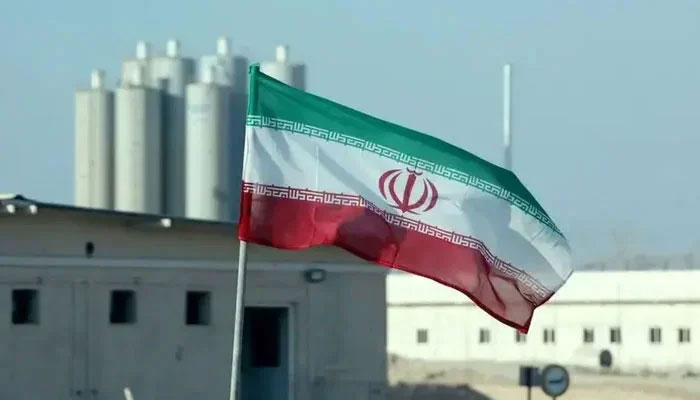
Today, the reactor built by the US still operates but has become just a symbol of past US-Iran collaboration rather than a focal point of Iran’s current nuclear efforts.
As the region’s dynamics changed, the US adopted a more cautious stance regarding Iran’s nuclear ambitions, and by the late 1970s, new agreements included stricter restrictions on Iran’s nuclear activities.
Following the revolution, anti-American sentiment ensured that promised American reactors were never delivered. However, the groundwork for Iran’s nuclear capabilities had already been established.
In subsequent years, Iran secretly advanced its nuclear programme, leading to discoveries in 2002 of hidden facilities that alarmed the global community. Despite pressure from Western nations to halt its nuclear activities and disclose operations, Iran continued to maintain that its nuclear agenda is peaceful.
According to the Western experts, Iran’s significant advancement in centrifuge technology from one of its neighboring countries marked a turning point for Iran, rather than its earlier cooperation with the US. This technology was built upon the foundations of the nuclear infrastructure created with the US help decades earlier.
Today despite ongoing discussions, threats, and military responses, much of Iran’s nuclear capabilities remain intact, indicating that the conflict continues and is unresolved.