ISLAMABAD: From 7th till 10th May, India sent over 200 drones to Pakistan, including IAI Harop and Harpy drones.
These drones are expensive. They have ESM (Electronic Support Measures) suits which help them capture radiations coming from the enemy’s air defence system’s radar. “Once it captures the radiation, it then strikes on it. On top of it, these ESM drones then immediately send the location of air defence battery to their respective home bases. This exposes the enemy’s entire installed air defence system.
This process is called SEAD (Suppression of Enemy Air Defences)”, said a defence source on condition of anonymity.
After the air defence battery is exposed, the enemy strikes with multiple ballistic missiles or suicide drones targeting the air defence to completely destroy it. This part is called ‘DEAD (Destruction of Enemy Air Defence), explained the source. “India tried SEAD/DEAD operations but failed to outsmart the Pakistan forces”.
Responding to this, Pakistan shut down its air defence radar systems while the Indian drones were flying so that they remained undetectable. Simultaneously, Pak forces dealt with the Indian drones by Soft and Hard Kills. Where most of the drones were taken down by Soft Kill -- which is done by jamming the drone so that it loses connection with the home base and lands on its own doing no harm -- some Indian drones were also taken down by Hard Kill.
“The Pak Army effectively destroyed Indian drones using anti-aircraft guns AAG guns), which is part of the air defences,” said the source. These anti-aircraft guns remained hidden to these drones as their radars were also turned off deliberately.
This is why some of the drones were intercepted by AAG guns right on the point where they were directed. “This is ‘Point Defence’. This was how Pakistan downed the Indian drones through Hard Kill,” further explanation revealed.
On 9-10th May, Pakistan sent its YiHa-III drones to India. These are the drones which Pakistan makes in collaboration with Turkiye. As soon as YiHa-III arrived in India, they started shooting it using their air defences such as the Akash and the S400s.
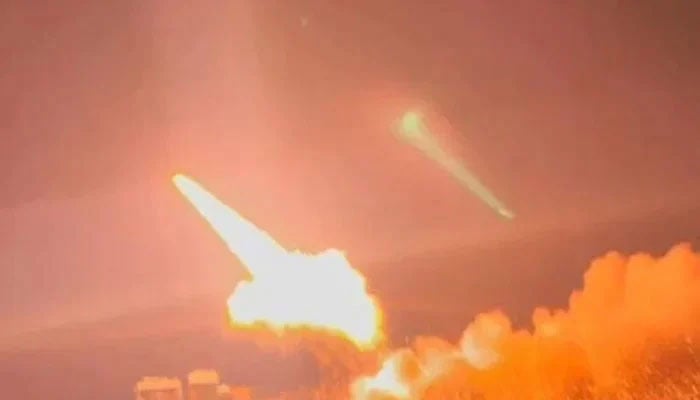
“As they were shooting, YiHa-III captured their air defences locations communicating it back to Pak defence systems”. Now when India’s prized S-400 “Triumf” air defence system got exposed, the PAF destroyed it with CM-400 AKG AR missiles shot by PAF’s JF-17 Thunder. “As a demonstration of our defence forces resolve, capabilities, multi domain operations, we successfully hit the S400 battery in Adampur,” said the source. “Cheese Board Radar is the backbone of the S400 air defence which we destroyed. Depletion of cheeseboard is like destroying S400 by over 80 percent”.
It is pertinent to mention here that a senior PAF officer also mentioned that Pakistan has destroyed the Indian S400’s Cheese Board Radar Vehicle. The Air Defence S400 battery consists of five vehicles. One is a launcher vehicle, one is a command vehicle and then there are three types of radar vehicles. One is Cheese Board Radar Vehicle, Gravestone Radar vehicle and one is Big Bird Radar Vehicle. The most valuable radar is the Cheeseboard radar as it can both search and target.