Foreign Affair analyst
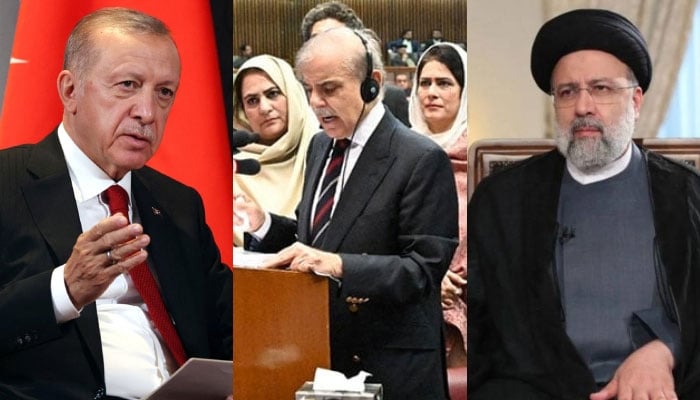
Pakistan, Iran, and Turkey share deep historical, cultural, and economic ties, making trilateral cooperation a natural and strategic choice. Over the years, these three nations have explored ways to strengthen their relationship through trade, energy collaboration, security coordination, and cultural exchange. This cooperation holds immense potential to drive economic growth, enhance regional stability, and foster deeper cultural understanding.
Trade is a cornerstone of trilateral cooperation, with all three nations seeking to enhance bilateral and multilateral trade agreements. Strengthening infrastructure projects such as roads, railways, and trade corridors to facilitate smoother transportation of goods and services. The Istanbul-Tehran-Islamabad (ITI) freight train, for example, is a major step toward improving connectivity. Establishing industrial zones, joint ventures, and business forums to encourage private sector collaboration.
Efforts to harmonize trade policies and reduce tariffs to facilitate smoother trade among the three nations. Pakistan as a gateway to South Asia, Iran with its access to Central Asia and the Middle East, and Turkey as a bridge between Europe and Asia-this economic partnership could significantly boost regional trade.
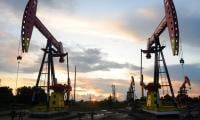
Energy security is another vital aspect of trilateral collaboration. Each country possesses unique strengths that can complement the region’s energy needs. With vast oil and gas reserves, Iran is a crucial supplier of energy. The stalled Iran-Pakistan gas pipeline could be revived to ensure energy security for Pakistan. Turkey serves as a transit hub for energy flowing from the Middle East to Europe. Strengthening energy cooperation could help all three nations benefit from pipeline projects and electricity transmission networks.
Joint investments in solar, wind, and hydropower projects could provide sustainable energy solutions and reduce reliance on fossil fuels. A well-integrated energy framework could not only reduce energy deficits but also contribute to economic stability in the region.
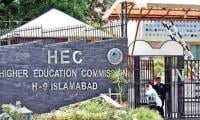
The geopolitical landscape of the region presents numerous security challenges, including terrorism, cross-border crime, and political instability. By enhancing security cooperation, the three nations can work towards a safer and more stable region. Establishing mechanisms for sharing intelligence to combat terrorism, drug trafficking, and organized crime. Strengthening border management to prevent illegal crossings, smuggling, and infiltration by militant groups. Conducting joint drills and defense collaborations to enhance military preparedness and foster trust. By aligning their security policies, Pakistan, Iran, and Turkey can counter common threats and build a stronger security network. Cultural and educational cooperation is essential for fostering long-term friendship and understanding among the three nations. Encouraging students to study in each other’s universities to promote academic and research collaboration. Highlighting shared cultural heritage, historical sites, and tourism opportunities to boost people-to-people connections. Producing joint films, documentaries, and cultural events to showcase the rich traditions and histories of each nation. This cultural diplomacy can create stronger bonds between the people of Pakistan, Iran, and Turkey, further solidifying their trilateral relations.
Conclusion: Pakistan, Iran, and Turkey have a unique opportunity to transform their relationship into a powerful trilateral alliance. By strengthening trade, energy collaboration, security coordination, and cultural ties, they can create a prosperous and stable region. While challenges such as geopolitical tensions and external pressures exist, a commitment to deeper engagement and cooperation can pave the way for a stronger and more integrated future. If effectively implemented, this trilateral partnership could not only benefit the three nations but also serve as a model for regional cooperation in a rapidly changing global landscape.