Every year on April 7th, people in Pakistan observe World Health Day, a reminder that health is the backbone of national development. Read on…
WHD
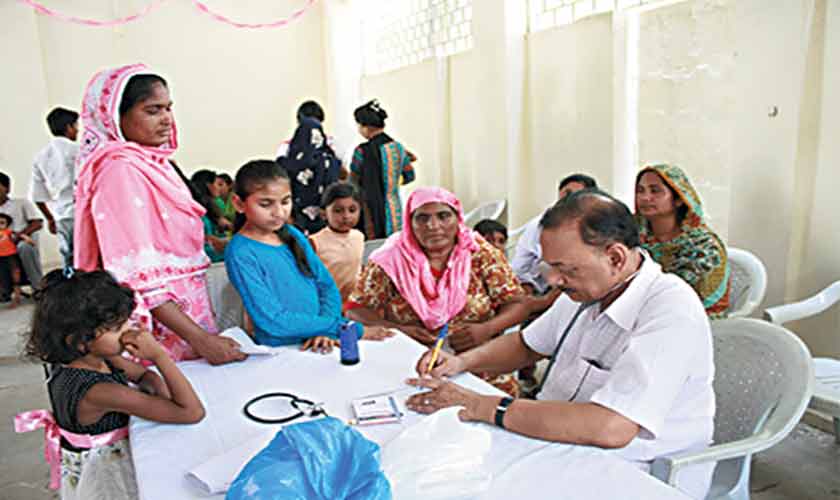
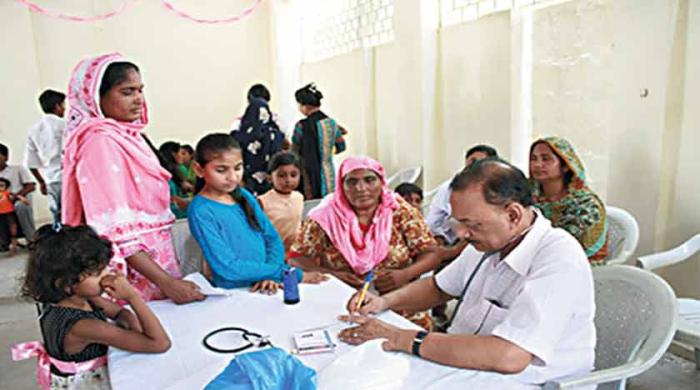
Health remains one of the most important issues facing Pakistan. With a large and growing population, limited resources and economic difficulties, providing quality healthcare for everyone is a serious challenge. Despite many efforts by the government and private organisations, millions of Pakistanis still struggle to receive proper medical care.
Access to healthcare is unequal across the country. In large cities such as Karachi, Lahore and Islamabad, there are major hospitals and specialist doctors. However, these hospitals are often overcrowded and patients may have to wait for hours to receive treatment. In rural areas and small towns, the situation is even more difficult. Many villages do not have proper health centres, trained doctors or basic medicines. People sometimes have to travel long distances to reach a hospital. For poor families, the cost of transport, tests and medicines are too high.
Clean water and sanitation are also serious concerns. In many areas, especially in low-income communities, people do not have access to safe drinking water. Contaminated water leads to waterborne diseases such as diarrhoea, cholera and typhoid. Children are especially vulnerable to these illnesses.
Malnutrition is another major health issue in Pakistan. Many children suffer from stunted growth due to a lack of proper nutrition. Poor families often cannot afford a balanced diet that includes fruits, vegetables, milk and protein. As a result, children may grow up weak and be more likely to fall ill. Malnutrition not only affects physical growth but also mental development, which can limit educational achievement and future opportunities. Women, especially pregnant mothers, also face nutritional problems.
Maternal and child health problems also exist. Although improvements have been made in recent years, many women still give birth without skilled medical assistance, especially in remote areas. Limited awareness, cultural barriers and the lack of transport often prevent women from accessing hospitals. This increases the risk of maternal deaths and infant mortality. Vaccination programmes have helped protect children from deadly diseases but there are still areas where vaccination coverage is incomplete. Continued efforts are needed to ensure that every child receives basic immunisation.
Air pollution is also affecting public health, especially in major cities. Smoke from vehicles, factories and burning waste increases respiratory problems such as asthma and lung disease. During certain seasons, smog becomes a serious issue in cities like Lahore, causing breathing difficulties for children and elderly people. Environmental protection and stricter control of industrial emissions are necessary to improve air quality and protect public health.
This year, World Health Day, observed annually on April 7, focuses on the theme ‘Healthy beginnings, hopeful futures’. The campaign prioritises maternal and new-born health, advocating for improved, high-quality care during pregnancy, childbirth and the postnatal period to ensure long-term well-being and healthier communities.
The government of Pakistan has introduced several programmes to improve healthcare services. Public hospitals provide free or low-cost treatment to many patients. Health insurance schemes have been launched to support low-income families. In addition, lady health workers play an important role in providing basic health education and services in rural communities. They visit homes, guide mothers about nutrition and hygiene and help with vaccination campaigns. Their contribution is especially valuable in areas where doctors are not easily available.
Strengthening the public healthcare system is important to ensure fairness and equal access to treatment for all citizens.
Education and awareness are powerful tools for improving health in Pakistan. When people understand the importance of hygiene, balanced diets, regular exercise and vaccination, they are more likely to adopt healthy habits. Schools can play a key role by teaching children about cleanliness and healthy lifestyles. Media campaigns can also help spread information about disease prevention and available health services.
Technology also helps improve healthcare services. Telemedicine, for example, allows doctors to consult with patients in remote areas through mobile phones and the internet. This can reduce travel costs and save time. Digital health records and improved data systems can help authorities plan better health policies and respond quickly to disease outbreaks.
Health is not only the responsibility of the government or doctors; it requires cooperation from everyone. Families must prioritise cleanliness and proper nutrition. Communities should support vaccination campaigns and health awareness programmes. Businesses can contribute by providing safe working conditions and health benefits for employees. Non-governmental organisations can assist in reaching vulnerable populations and providing necessary services.
Climate change is another factor that may affect health in Pakistan. Rising temperatures, floods and other natural disasters can increase the spread of diseases and damage health infrastructure. Floods often contaminate water supplies and create conditions for the spread of malaria and dengue. Preparing for emergencies and building stronger health systems is necessary to deal with such challenges in the future.
Improving healthcare in Pakistan requires long-term planning, strong leadership and adequate funding. Investment in hospitals, the training of medical staff and research is important. At the same time, preventive care should be given equal attention. Preventing disease through vaccination, clean water and public awareness is often less costly than treating illness after it occurs.
Every year, people in Pakistan join the rest of the world in observing World Health Day, which serves as a reminder that health is a shared responsibility and that more work is needed to ensure healthcare for all. Such occasions encourage governments, organisations and individuals to reflect on existing challenges and renew their commitment to building a healthier society.
Health is the backbone of national development. Although many challenges remain, progress is possible through cooperation, education and strong policies. By improving access to healthcare, promoting healthy lifestyles and addressing environmental and social issues, Pakistan can move towards a future where every citizen has the opportunity to live a healthy and productive life. A healthy population will not only reduce suffering but also strengthen the country’s economy and social stability for generations to come.
The writer is a seasoned journalist and a communications professional. He can be reached at [email protected]