This week, You! is in conversation with Shagufta Nasreen, a social worker and former councillor. Read on…
woman @ work
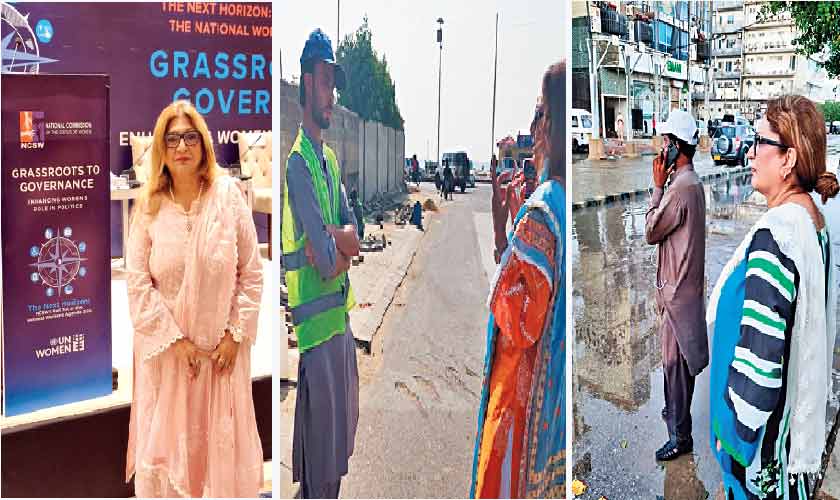
Shagufta Nasreen is an educationist and a committed social worker. Her journey in public life has always been driven by grassroots engagement and a deep belief in strengthening local governance.
Shagufta holds a bachelor’s degree in education. “My early professional journey in education gave me a deep understanding of community needs and grassroots challenges, which gradually led me into social work and ultimately into public service and electoral politics,” she says.
Shagufta has the distinction of being Pakistan’s first woman elected councillor on a general seat for Ward 6, Cantonment Board Clifton, Karachi, serving from 2021 to 2025. During her tenure as councillor, she focused on infrastructure development, addressing civic issues, improving coordination between residents and authorities and building strong community networks.
In addition to her role as councillor, she has served as President PTI Ward 6; former General Secretary and Coordinator at Hawa Foundation; former President Seaview Residents Society, former CEC Member of DSRA and Secretary of the UN Human Rights Commission, Karachi Chapter.
In an exclusive interview, Shagufta shares her journey with our readers…
You! Tell us about your early days?
Shagufta Nasreen: My early days were shaped by a strong sense of responsibility and service. Through my work in education and community engagement, I developed a deep understanding of the everyday challenges faced by residents, which later became the foundation of my approach to governance.
You! What inspired you to step into electoral politics?
SN: My decision to step into electoral politics was driven by the desire to create meaningful and lasting impact. After years of working closely with communities, I realised that change begins at the grassroots level and that being part of the decision-making system would allow me to address issues more effectively and on a larger scale.
You! How has your academic background influenced your governance style?
SN: My academic background in education has shaped my governance style to be structured, patient and solution-oriented. I focus on identifying root causes, listening carefully and implementing sustainable solutions rather than short-term fixes.
You! What is your understanding of community governance?
SN: Community governance is about responsible service delivery, active listening and ensuring that public concerns are translated into actionable outcomes through institutional coordination and accountability.
You! During your tenure, what were the most pressing issues?
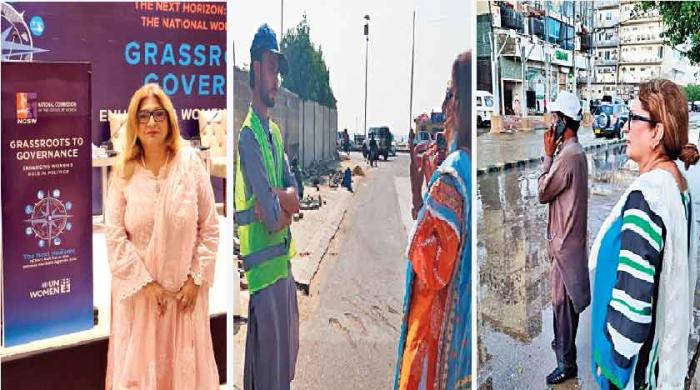
SN: The most pressing issues included deteriorating infrastructure, water shortages, drainage challenges, inadequate street lighting and a worsening law-and-order situation in commercial areas. Through consistent on-ground visits, I was able to systematically identify infrastructure gaps across Ward 6 and regularly raised them in DHA and CBC board meetings. This ensured that all issues were formally recorded and placed in the development backlog for execution.
You! As a councillor, what were your most defining projects?
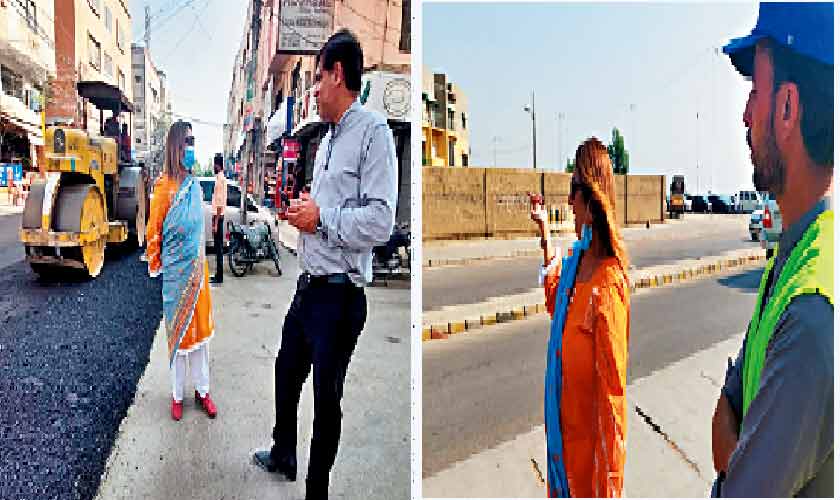
SN: My work as a councillor focused on delivering structured, long-term improvements across Ward 6. I led infrastructure uplift initiatives in areas such as Darakshan Villas, Tauheed Commercial and Badar Commercial, along with continuous improvements in roads, drainage systems, footpaths and street lighting. A key priority was ensuring sustainability by addressing underlying sewage and drainage issues before initiating road development.
I also worked extensively on upgrading parks across Seaview Sectors 1-5, securing necessary permissions from DHA authorities and delivering key improvements such as boundary walls and safety enhancements. In parallel, I addressed the deteriorating law-and-order situation by supporting special monitoring groups and enforcing midnight closure of commercial activities in affected zones. My regular field presence allowed me to identify critical infrastructure gaps and ensure they were formally escalated to DHA and CBC boards for structured execution.
You! What challenges did you face as a woman in politics?
SN: As the only female councillor, the role came with unique challenges in a traditionally male-dominated environment. However, through consistent delivery, visible results and a focused approach to governance, I was able to establish credibility and earn respect across stakeholders.
You! What are some downsides of being in politics?
SN: Public service requires continuous effort and resilience. Much of the work happens behind the scenes and may not always be visible, but the focus remains on delivering meaningful outcomes for the community.
You! What issues do women face today?
SN: Women continue to face challenges in accessing leadership opportunities and balancing multiple responsibilities. Strengthening education, support systems and representation is key to overcoming these barriers.
You! What advice would you give to women?
SN: I would encourage women to believe in their abilities, remain confident and actively pursue opportunities for leadership and growth.
You! How do you balance family and work?
SN: Balancing family and professional responsibilities requires disciplined time management and strong family support, which have been instrumental in enabling me to fulfill both roles effectively.
You! What is your philosophy of life?
SN: My philosophy is centred on service, integrity and perseverance. I believe in consistent effort and in delivering long-term impact.
You! What is your biggest accomplishment?
SN: Being elected as the first female councillor across cantonments in Pakistan is a significant milestone. Beyond that, I take pride in achieving tangible improvements in infrastructure, water access, public spaces and community safety – efforts that have had a direct and visible impact on residents’ quality of life.
You! How do you unwind?
SN: I spend time with my family and take moments to rest and recharge, which helps me maintain balance.
You! What is your most treasured possession?
SN: The trust and confidence of the people.
You! What lessons have you learnt?
SN: I have learnt that meaningful change requires patience, persistence and a consistent commitment to follow-through.
You! What message would you like to give to the community?
SN: I remain committed to serving the community with dedication and ensuring that residents’ concerns are addressed through structured and accountable governance.
You! What is the future of women in governance?
SN: The future of women in governance is strong and growing. Increased participation will bring diverse perspectives and strengthen inclusive and effective leadership.