Observed each year on March 22, World Water Day highlights the global importance of freshwater and calls for sustainable management. You! takes a look…
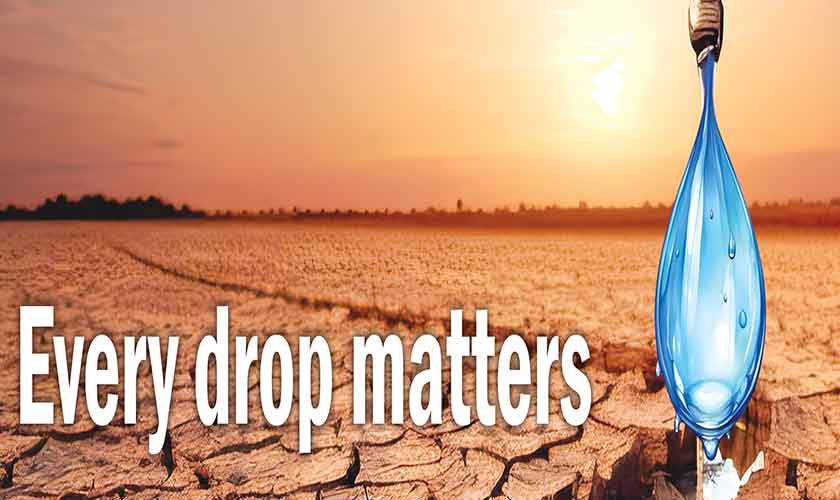
Imagine a world without water: no crops in the fields, no industries running, no life thriving. Water is not just a resource; it is the lifeblood of our planet. It sustains ecosystems, enables development and secures the wellbeing of communities worldwide. Yet, in the face of growing demand and environmental challenges, this resource is increasingly under threat.
Across the world, it is wasted, polluted and poorly managed. Millions of people still lack access to clean and safe drinking water. At the same time, climate change, rapid population growth, urban expansion and inefficient agricultural practices are placing immense pressure on available freshwater supplies.
In Pakistan, water is not merely an environmental concern; it is directly connected to agriculture, energy production, public health, economic stability and social harmony. The country’s future prosperity and stability depend heavily on how wisely and fairly it manages its water resources.
Pakistan’s civilisation and history are closely tied to water, particularly the Indus River system. For thousands of years, communities have settled along riverbanks because water brought fertile soil, food security, trade opportunities and prosperity. The Indus Valley Civilisation is one of the oldest in the world, and its success was largely due to effective water management and river-based agriculture. Even today, the Indus River and its tributaries form the backbone of Pakistan’s agricultural economy. Agriculture provides employment to a large portion of the population and contributes significantly to national income. However, the same water system that once symbolised abundance and strength is now under serious strain.
Nearly 90 per cent of Pakistan’s freshwater is used for agriculture, compared with around 70 per cent in many other parts of the world. This shows how much the country depends on irrigation for food production and rural livelihoods. Much of this water is delivered through an extensive canal system that was developed during the British colonial period and later expanded after independence.
While this system turned arid lands into fertile fields and helped Pakistan feed its growing population, it now suffers from serious inefficiencies. Large amounts of water are lost through seepage, evaporation and poor maintenance before reaching farms. Traditional flood irrigation methods, still widely practised, waste enormous quantities of water. Farmers often grow water-intensive crops such as rice and sugarcane in areas that are not naturally suited to them, placing additional stress on limited supplies. Without reform and modernisation, agricultural water use will remain unsustainable.
Water scarcity is one of the most alarming challenges facing Pakistan today. At the time of independence in 1947, water availability per person was over 5,000 cubic metres annually. This level was sufficient to comfortably meet domestic and agricultural needs. However, due to rapid population growth and limited expansion in water storage, per-person availability has now fallen to well below 1,000 cubic metres per year. This level is internationally recognised as water scarcity.
Experts warn that if current trends continue, availability could fall below 500 cubic metres per person in the coming years, placing Pakistan in a state of absolute scarcity. Such a situation would threaten food security, economic stability and public health.
The primary reason for declining water availability is population growth. Pakistan’s population has increased more than fivefold since independence and now exceeds 240 million people. Projections suggest it may approach 300 million by 2050. Each additional citizen requires water for drinking, sanitation, food and energy. However, while demand continues to rise, supply remains limited and poorly managed. Without strong policies to control waste and improve efficiency, the gap between supply and demand will continue to widen.
Climate change has intensified the crisis. Although Pakistan contributes only a small share of global greenhouse gas emissions, it is among the countries most vulnerable to climate impacts. The glaciers in the northern mountains, which feed the Indus River system, are melting at irregular rates. In the short term, this increases the risk of severe flooding. In the long term, however, reduced glacier mass may lead to lower river flows, especially during dry seasons. Rainfall patterns have also become more unpredictable, with heavy downpours causing flash floods followed by extended dry spells that damage crops and reduce water availability.

The devastating floods in recent years have demonstrated the destructive power of unmanaged water. Floods destroy homes, roads, bridges and farmland, displacing millions of people and causing economic losses worth billions. At the same time, droughts leave farmers struggling to irrigate crops and cities facing water shortages. The problem is not only the amount of water available but also how it is stored and managed.
Pakistan has limited capacity to store water for future use. The country can store surface water for only about 30 days, compared to around 120 days in many developed nations. Dams such as Tarbela and Mangla play a major role in water storage and hydropower generation, but their capacity has decreased over time due to sedimentation. Rivers carry silt that gradually fills reservoirs, reducing their effectiveness. Plans for new dams often face political disagreements, financial constraints and concerns about environmental and social impacts. Without expanding and maintaining storage facilities, Pakistan will remain vulnerable to both floods and droughts.
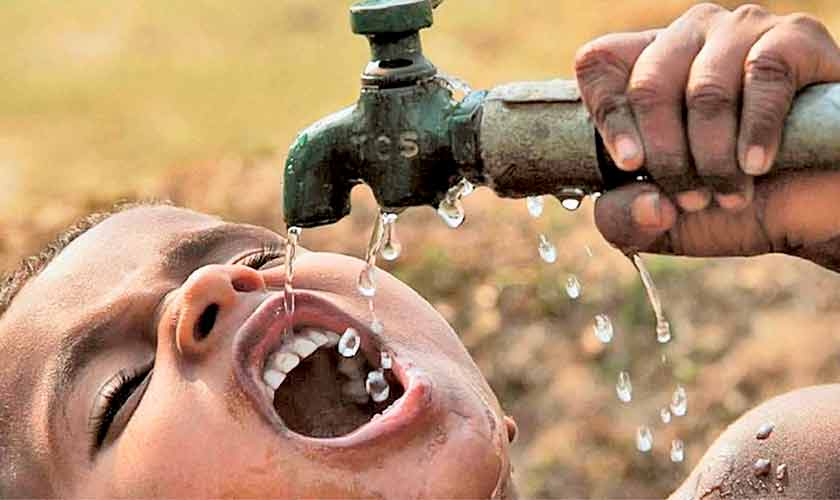
Water quality is another serious issue. Access to clean and safe drinking water remains limited in many rural and urban areas. Industrial waste, untreated sewage, agricultural chemicals and solid waste are often discharged directly into rivers, canals and groundwater.
Weak enforcement of environmental laws allows pollution to continue unchecked. Contaminated water is responsible for a large percentage of diseases in the country, including diarrhoea, typhoid and hepatitis. Thousands of children die each year from waterborne illnesses that could easily be prevented with proper sanitation and a clean water supply. Poor water quality not only affects health but also increases healthcare costs and reduces productivity.
Groundwater extraction adds further pressure to the system. Millions of tube wells operate across the country, pumping groundwater to compensate for unreliable canal supplies. In many areas, water is being extracted faster than it can naturally recharge. As a result, groundwater levels are dropping rapidly, increasing the cost of pumping and threatening long-term sustainability.
In some regions, groundwater has become saline or contaminated with arsenic, making it unsafe for drinking and irrigation. If groundwater depletion continues unchecked, future generations will face severe shortages.
Urban centres face distinct challenges. Rapid population growth and unplanned urbanisation have increased the demand for water in cities such as Karachi, Lahore and Islamabad. Infrastructure development has not kept pace with population expansion. Leaking pipelines, illegal connections and poor governance result in significant water losses. Wealthier households often install private boreholes or purchase water from tankers, while poorer communities struggle to secure even basic supplies. In some neighbourhoods, residents spend hours each day collecting water, which affects their productivity and quality of life. Urban water management requires immediate reform, increased investment and stronger accountability.
Water is also closely connected to energy and food security. Hydropower provides a significant share of Pakistan’s electricity, particularly during periods of high river flow. However, changes in water availability affect electricity generation. Energy shortages, in turn, disrupt water supply systems because pumping stations and treatment plants depend on electricity. Food production relies heavily on reliable irrigation. If water shortages increase, crop yields may decline, leading to higher food prices and economic hardships. The interconnection between water, energy and food highlights the need for integrated planning.
At the regional level, water plays a key role in international relations. The Indus Waters Treaty between Pakistan and India has governed river water sharing for decades and is often regarded as a successful example of cooperation. Despite political tensions, the treaty has largely withstood conflicts and disagreements. However, growing water scarcity and climate pressures could strain this arrangement in the future. Sustainable management and continued diplomatic engagement are necessary to prevent disputes and ensure fair distribution.
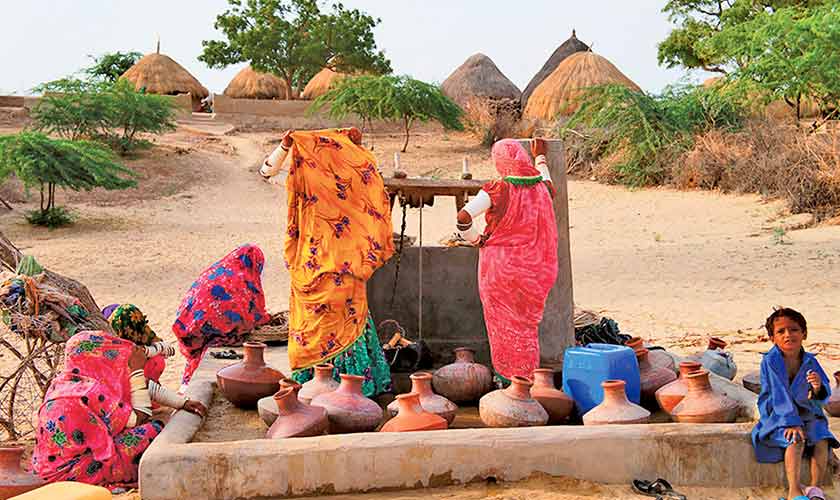
Water shortages also have social and gender impacts. In many rural areas, women and girls are responsible for collecting water. They may walk long distances each day, carrying heavy containers, which reduces the time available for education and income-generating activities. Poor access to water affects hygiene, health and dignity. Girls may miss school due to water-related responsibilities or illnesses. Including women in water management decisions is essential, as they understand local challenges and can contribute practical solutions.
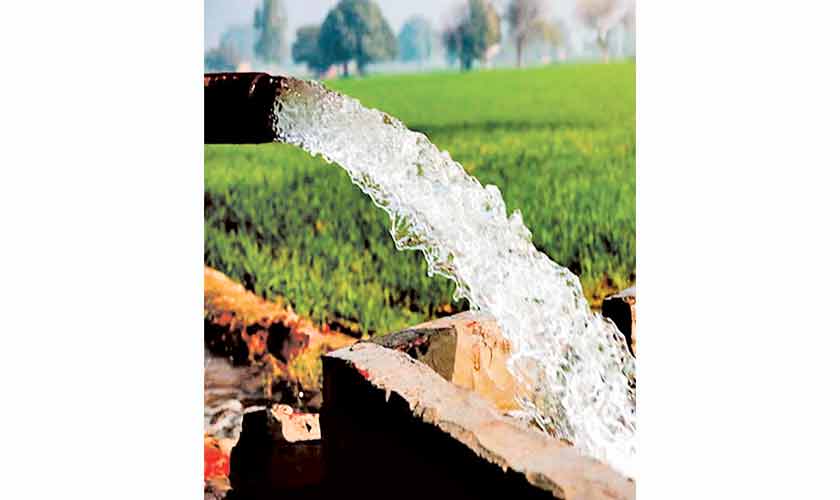
Improving water efficiency in agriculture is one of the most effective ways to address the water crisis. Modern irrigation techniques, such as drip and sprinkler systems, can significantly reduce water wastage. These systems deliver water directly to plant roots, minimising evaporation and runoff. Encouraging farmers to grow less water-intensive crops and adopt improved farming practices can also help. Government support, subsidies and awareness programmes are necessary to promote these changes.
Similarly, protecting natural ecosystems is equally important. Forests, wetlands and riverbanks play a major role in absorbing rainfall, preventing erosion and maintaining water quality. Deforestation and uncontrolled development have weakened these natural systems. Reforestation projects, proper waste management and strict enforcement of environmental laws can help restore ecological balance. Small-scale water harvesting initiatives, such as ponds and dams, can enable communities to store rainwater and recharge groundwater supplies.
Good governance remains the foundation of effective water management. Responsibilities are often divided among multiple institutions with limited coordination. Reliable data on water use and availability are lacking. Transparent policies, strong institutions and long-term planning are needed for meaningful progress. Corruption and mismanagement must be addressed to build public trust and ensure fair distribution.
Technology offers promising solutions, including satellite monitoring of water flows, early warning systems for floods and droughts and improved wastewater treatment and recycling. However, technology alone cannot solve the crisis. Community awareness, political will and behavioural change are equally important.
World Water Day serves as a powerful reminder of these challenges. Observed each year on March 22, it highlights the global importance of freshwater and calls for sustainable management.
In Pakistan, World Water Day is particularly meaningful. It provides an opportunity for reflection, education and action. Schools, universities, civil society organisations and government departments can use this day to promote awareness about water conservation and responsible usage.
Young people have an important role to play. Pakistan has a large youth population and their awareness and innovation can drive change. Educational programmes, research initiatives and community projects can help build a culture of conservation. Simple daily habits, such as fixing leaks, avoiding wastage and keeping water sources clean, can collectively make a significant difference.
Water is life. It shapes economies, cultures and societies. Continuing with wasteful practices and weak governance will deepen the crisis. Choosing a path of conservation, cooperation, science-based planning and community involvement can secure a sustainable future. World Water Day reminds us that protecting water is not the responsibility of the government alone; it is a shared duty. By valuing every drop and managing resources wisely, Pakistan can safeguard its future and ensure that generations to come inherit a country where clean and sufficient water is available for all.
The writer is a seasoned journalist and a communications professional. He can be reached at [email protected]