Yoga is becoming one of the most relevant tools for modern life, writes Zainab Sarwar, a Dubai-based certified Yoga instructor…
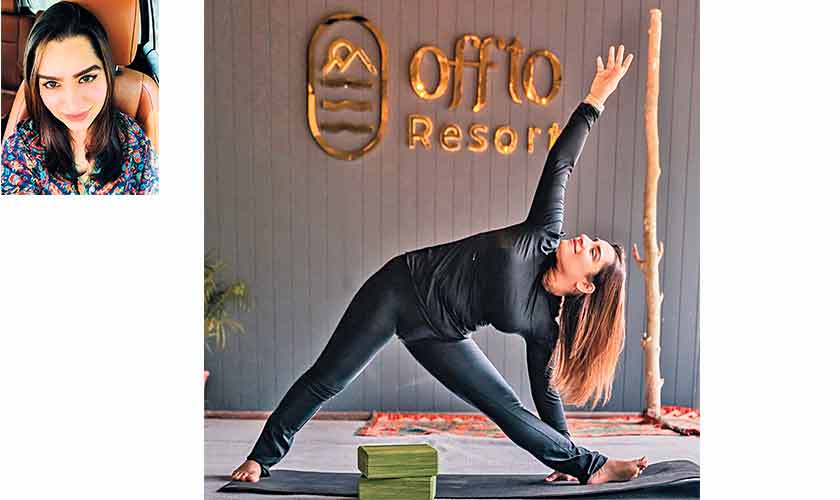
Yoga has an image problem. For some people, it’s all about picture-perfect poses, quiet studios and an aesthetic lifestyle that feels aspirational but also strangely distant. For others, yoga feels too spiritual, too slow or simply not practical in a world that runs on deadlines, emails and caffeine. And yet, quietly, yoga is becoming one of the most relevant tools for modern life. Read on…
The strange exhaustion of modern life: We live in an age of convenience. Food arrives at our doors, information lives in our pocket and work follows us everywhere. On paper, life should feel easier. Instead, many of us feel tired, distracted and disconnected - from our bodies, from each other and often from ourselves. Doctors talk about rising levels of stress-related illness. Teachers talk about children who struggle to focus. Employers talk about burnout. And many of us simply talk about being ‘too tired’ all the time.
Yoga enters this conversation in an unusual way. It doesn’t promise shortcuts or instant fixes. It offers something quieter: a way to notice what is happening inside us and respond differently.
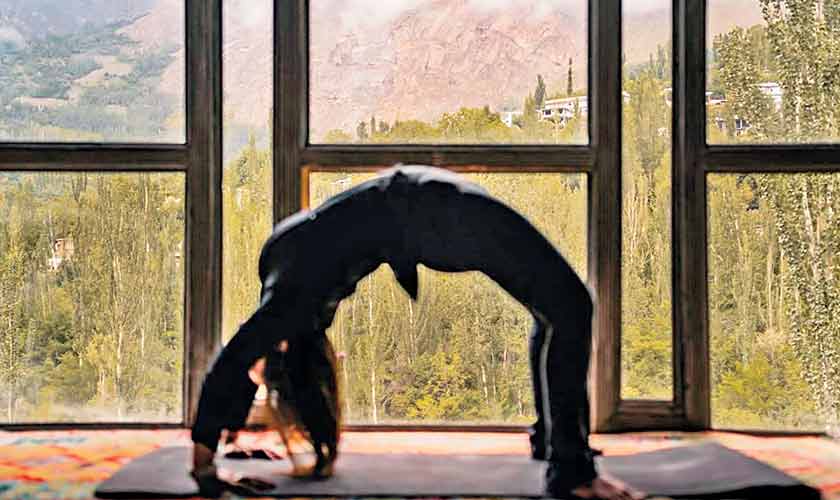
Yoga as a skill, not a lifestyle: One of the biggest misunderstandings about yoga is that it is a lifestyle you have to adopt - mat, clothes, diet, spirituality and all. In reality, yoga is more like a skill set. Learning to breathe slowly when you are anxious is yoga; noticing tension in your shoulders and releasing it is yoga; sitting still for a few minutes without reaching for your phone is yoga. These are small acts, but they are radical in a world built on constant stimulation.
Ancient yogic texts describe yoga as a way of understanding the mind and body. Modern neuroscience is now discovering similar ideas through brain scans and clinical trials. Different languages, same direction.
Why so many high-performers are turning to yoga: It’s no longer just wellness enthusiasts who practice yoga. Athletes, surgeons, entrepreneurs and military personnel now incorporate it into their training. Athletes use it to prevent injuries and recover faster; surgeons use breathwork to stay calm during long procedures; and business leaders use meditation to improve focus and decision-making.
What they all have in common is this: they operate under pressure. Yoga helps them stay functional under that pressure. It’s not about becoming calm all the time. It’s about learning how to return to calm when things become intense.
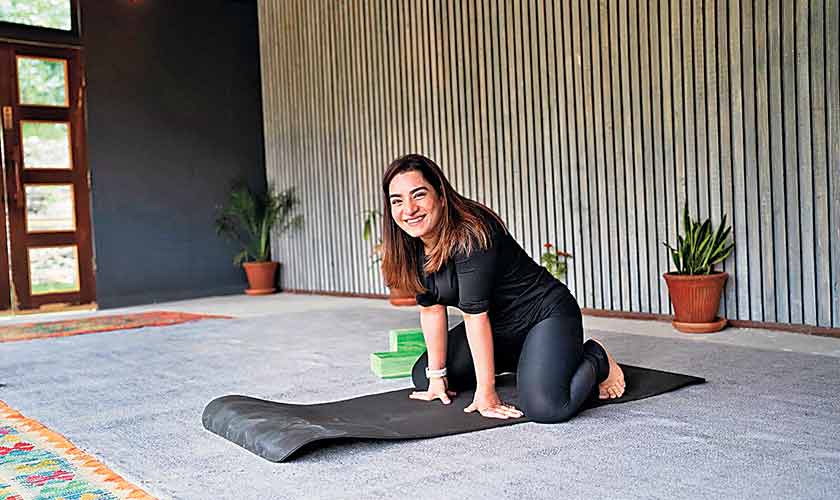
Stress in the body: We often think of stress as something that happens in the mind. But stress is deeply physical. Tight jaws, shallow breathing, digestive issues and insomnia - these are not personality traits; they are physiological responses. When the body stays in ‘fight-or-flight’ mode for too long, it begins to wear down. Hormones go out of balance, immunity weakens and mental clarity fades.
Yoga works on this very basic level. Slow breathing, gentle movement and stillness send a message to the nervous system that it is safe to slow down. Over time, this changes how the body reacts to daily challenges. No mysticism required. Just biology.
For people who think yoga is not for them: If you think yoga is only for flexible people, spiritual people or quiet people, you are not alone. The industry has unintentionally created that image. But yoga is remarkably adaptable. It can be intense and athletic; it can be gentle and therapeutic; it can be done standing, sitting, lying down, or even in a chair. You don’t need to chant. You don’t need to change your beliefs. You don’t need to touch your toes. You just need to show up - however that looks for you.
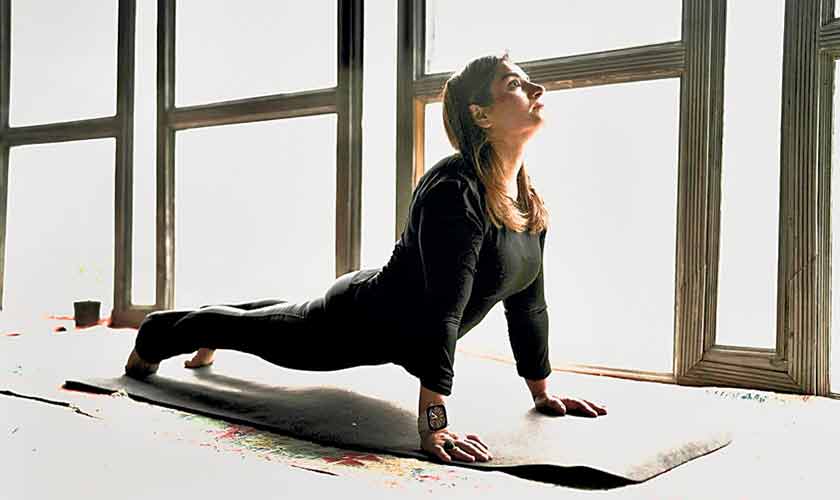
A quiet social movement: Beyond personal health, yoga is being used in places you might not expect - schools, prisons, hospitals, refugee camps and community centres. Children learn breathing exercises to manage their emotions. Trauma survivors use mindful movement to reconnect with their bodies. Patients use yoga therapy to manage chronic pain.
In these settings, yoga is not a lifestyle trend; it is a form of support. There is something quietly powerful about a practice that requires no language, no equipment and no shared culture - just a human body and a breath.
Yoga in a hyper-digital world: We are living in a time of artificial intelligence, virtual reality and constant digital interaction. Ironically, the more advanced our technology becomes, the more valuable basic human skills become: attention, presence, emotional awareness and empathy.
Yoga trains these qualities in subtle ways. When you focus on your breath, you are training attention. When you notice how you feel, you are building emotional intelligence. When you sit in silence, you are strengthening your relationship with yourself. In a world competing for your attention, learning to direct it intentionally is a superpower.
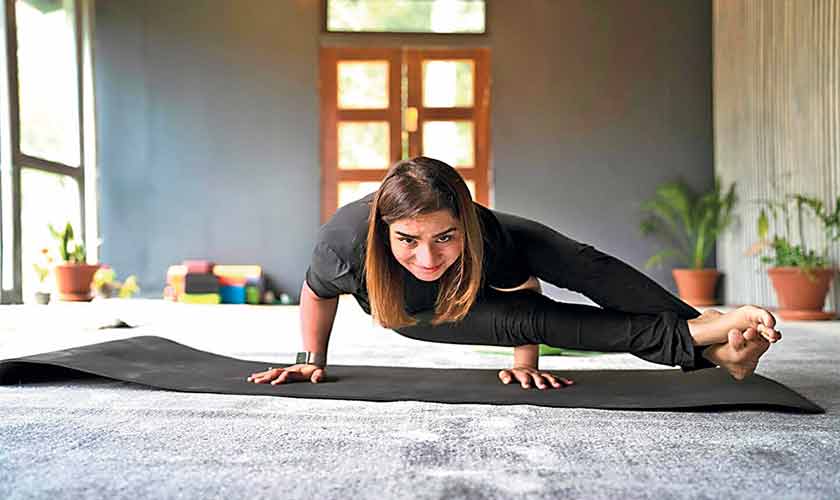
Redefining what it means to be successful: Modern culture celebrates productivity, speed and multitasking. Yoga offers a different metric of success: clarity, steadiness and balance. Instead of pushing harder, it asks you to listen. Instead of multitasking, it invites you to be present. Instead of external validation, it encourages internal awareness. This doesn’t make you less ambitious; it makes your ambition sustainable.
How to start, without the clichés: If yoga has always felt intimidating, try approaching it in unconventional ways:
* Take three slow breaths before opening your email in the morning.
* Stretch your spine and hips after sitting for long periods.
* Use a short guided meditation before sleep instead of scrolling.
* Treat movement as a way to feel, not to perform.
You don’t need a routine - you need curiosity.
World Yoga Day: A pause in the global noise
World Yoga Day is a holiday observed annually on February 22nd to harness the innate power of yogis across the planet. It should not be confused with International Day of Yoga, which falls on June 21st each year and is often marked by large public events and mass classes.
World Yoga Day is an invitation to pause, to move consciously, to breathe deliberately and to pay attention - even for a few minutes. In a world that rarely stops, that pause matters.
Yoga is evolving. It is being studied in research labs, integrated into healthcare, taught in universities and adapted for diverse communities. The future of yoga looks less like a trend and more like a public health tool. At the same time, there is a growing effort to strip yoga of exclusivity and returns to its original purpose: helping human beings understand themselves.
Becoming more human: Yoga is not about achieving the perfect pose or the perfect life. It is about noticing the life you are already living - noticing when you are tense, noticing when you are tired and noticing when you are calm. In a world that pushes us outward - toward screens, schedules and expectations - yoga gently pulls us back inward.
Perhaps that is why, thousands of years after its origins, yoga feels strangely modern. Not because it has changed, but because we have.
Zainab can be reached at [email protected], www.yogadubai.ae or @lifestylebyzainabsarwar on Instagram