Behind every tourist destination is a woman you’ve never met. She is not featured in brochures or investment plans, yet she sustains households, communities and local economies, writes Shaiyanne Malik…
women
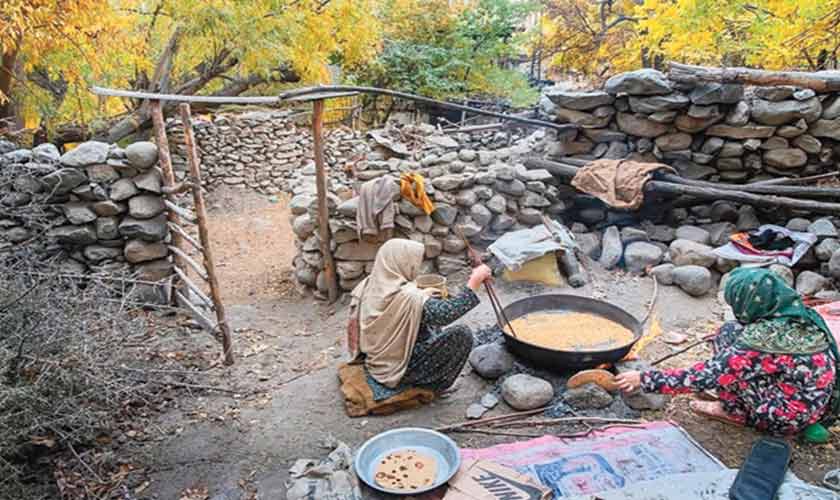
Tourism stories usually begin with landscapes, snow-capped peaks, romantic winding roads, wooden bridges framed against rivers and sacred relics of bygone civilisations. They rarely begin with women and yet, in Khyber Pakhtunkhwa’s flood-affected districts, tourism would not survive without them.
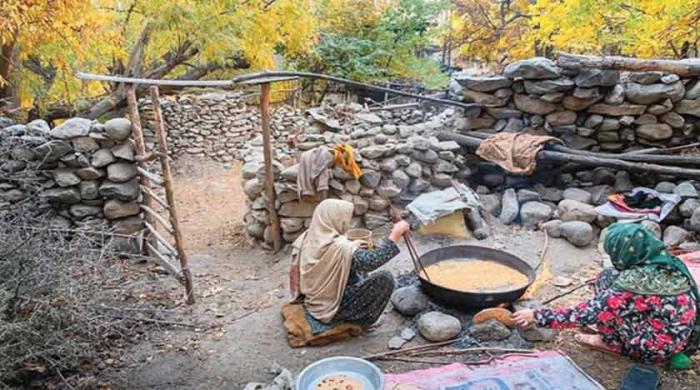
In Buner, Swat, Dir, Chitral and Mansehra, to name a few, women quietly sustain eco-tourism from within their homes. They cook meals for travellers they never meet, prepare guest rooms they may never enter, weave crafts sold under someone else’s name and keep households running while men migrate for work or chase seasonal opportunities. Their labour is constant, skilled and essential yet almost entirely invisible. When floods arrive, these women are among the first to lose income and the last to be counted in recovery plans.
Post-disaster recovery in KP has largely focused on infrastructure. Rebuilding roads, restoring access, repairing destinations. These investments, while necessary, tell only half the story. What they miss is livelihood and what they miss most consistently are women’s livelihoods because they do not appear in formal employment records, business registrations or tourism statistics.
The truth is not that women are missing from eco-tourism; it is that policy has never learned how to see them. They remain constantly invisible. As I was involved in an ILO project recently, field evidence from the flood affected districts I was working in confirmed what local women have always known. Women are economically active across eco-tourism value chains, particularly in home-based and informal roles. They process food, manage handicrafts, support homestays and contribute to hospitality in ways that fit local norms and family responsibilities. These activities are not marginal; they are the backbone of local tourism economies. Yet because women’s work is informal and collective, it is often treated as incidental rather than essential. Recovery plans assume that livelihoods will return once infrastructure is rebuilt. For women, this assumption does not hold. Floods destroy household assets, interrupt tourist flows and collapse informal enterprises overnight. Without targeted support, recovery does not simply lag - it bypasses women entirely.
Women’s economic participation in conservative and post-disaster contexts is shaped by mobility restrictions, unpaid care responsibilities and social expectations. As a result, women often prefer home-based or community-organised work. This is not a limitation. It is a reality that demands smarter policy design.
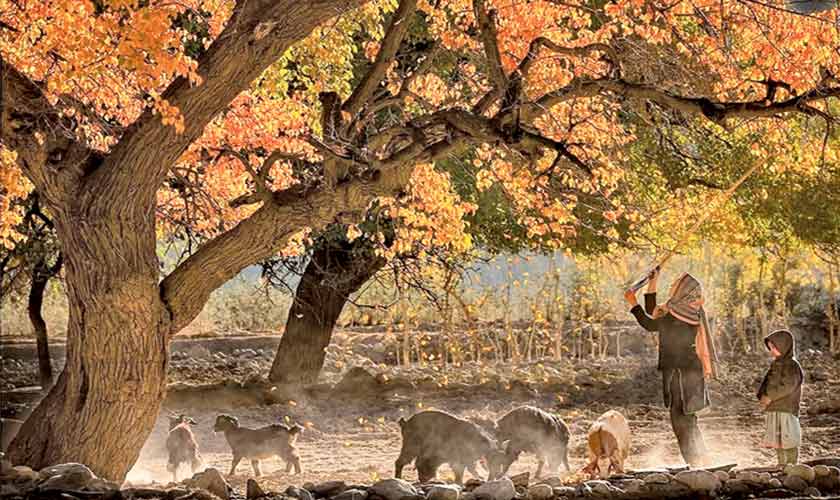
When recovery programmes demand long training cycles, extensive travel or bureaucratic compliance, they unintentionally exclude the very women they claim to support. Women managing childcare, elder care and income loss cannot afford to step away from their homes for months at a time or even days. What they need instead are short, practical, confidence-building interventions, like trainings within their own communities that strengthen existing activities and translate quickly into income.
Eco-tourism itself must also be reimagined. Too often, it is reduced to leisure travel, hotels and adventure sports. For women, eco-tourism looks different. It includes food, care, hospitality, wellness, cultural knowledge and emotional labour. Flood-affected districts of KP have a high concentration of nursing and training institutions, opening opportunities for tourism linked wellness, recuperation, childcare and elderly care services. These models offer year-round employment and recognise care work as skilled economic contribution rather than invisible duty. Only the linkages have to be established.
Such shifts matter because they challenge a deeply ingrained hierarchy of labour - one that values visible, male dominated roles over the quiet work women perform daily.
Training alone, however, is not enough. Without access to finance, women’s enterprises struggle to survive. Traditional loans often feel risky in post-disaster settings, especially for women whose income is uncertain and whose assets were already lost to floods. Graduated, women- focused financing, particularly interest free models, offer an alternative rooted in dignity rather than debt. When finance is linked to mentoring and community support, it allows women to grow at their own pace without fear of failure.
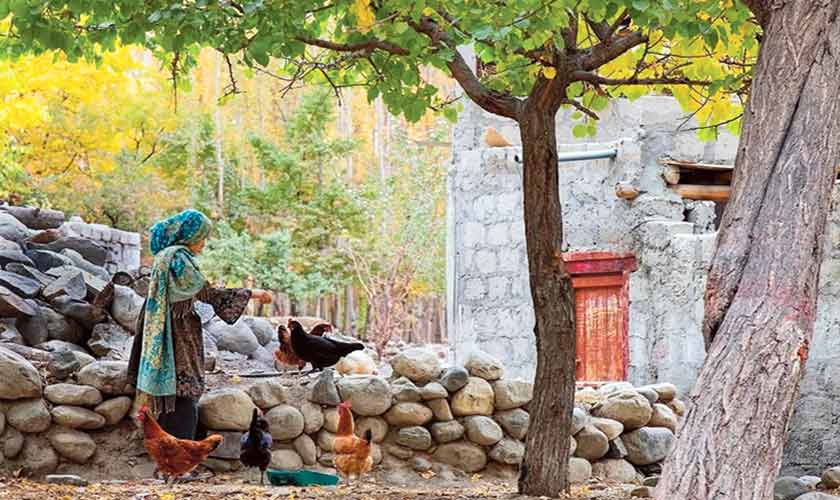
Visibility remains one of the most powerful and overlooked tools of recovery. Women and youth- led eco-tourism enterprises are rarely mapped, promoted or formally recognised. As a result, women remain excluded from tourism platforms, supply chains and policy conversations. Safe digital visibility, collective branding and market access can dramatically improve incomes without undermining social norms. Visibility does not always mean stepping into the spotlight alone; often, it means being acknowledged as part of a collective.
Climate change ensures that floods will not be a one-time disaster. Cloudbursts, landslides and extreme weather events are projected to increase in frequency and severity. This makes it even more urgent to move beyond infrastructure-centric recovery models and adopt people-centred approaches that recognise economic, social and psychological recovery as equally critical.
True recovery is not only about rebuilding destinations. It is about restoring dignity, agency and opportunity. When women’s work remains invisible, recovery remains incomplete.
Behind every tourist destination is a woman you’ve never met. She is not featured in brochures or investment plans, yet she sustains households, communities and local economies. She adapts quietly, absorbs shocks silently and keeps going long after headlines move on.
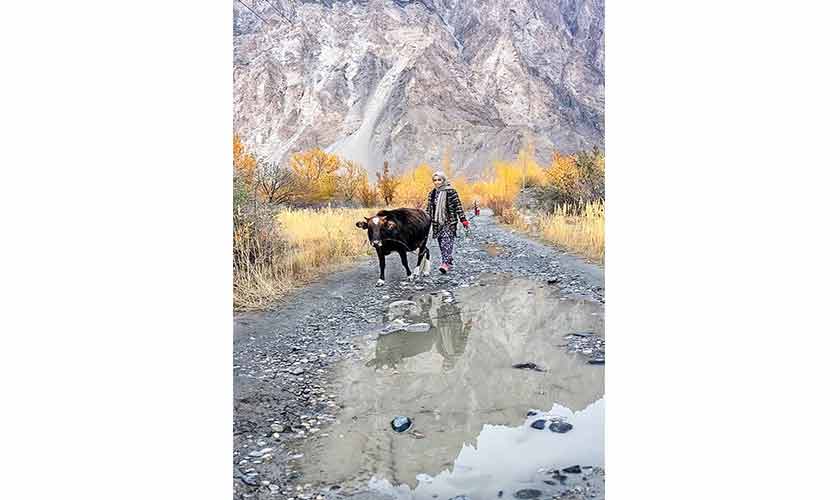
If recovery policies continue to overlook her, they will continue to fail.
Building back better must also mean building back fairer. And that begins by actually seeing and acknowledging the women who were always there. Because invisible work carries visible consequences. What policy calls informal is often the work that holds everything together and when women’s labour disappears from policy, it reappears as poverty.
The writer is a social entrepreneur and ILO master trainer with expertise in gender-responsive economic policy. She can be reached at [email protected] Photo credits - Paul Conor Mckenzie