This week, on International Mother Language Day, Sofia Neelam, an educator with 25 years of experience, reflects on her enduring love for her mother tongue and the responsibility of keeping it alive…
woman @ work
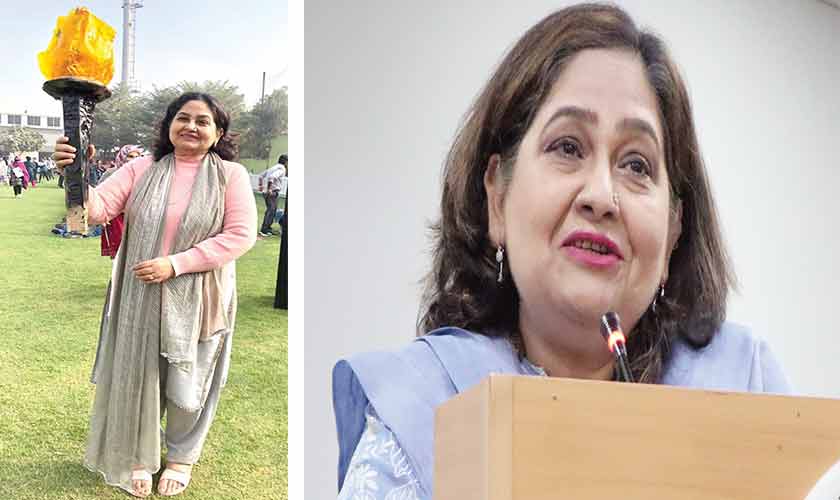
Languages shape memory long before they shape grammar. They carry lullabies, reprimands, poetry and protest in the same breath. On International Mother Language Day, celebrated annually on February 21, as conversations around cultural identity and linguistic preservation resurface, the role of Urdu - our mother tongue - in our classrooms, homes and digital spaces feels more urgent than ever. In a time when English often dominates aspiration and opportunity, the question remains where does our mother tongue stand?
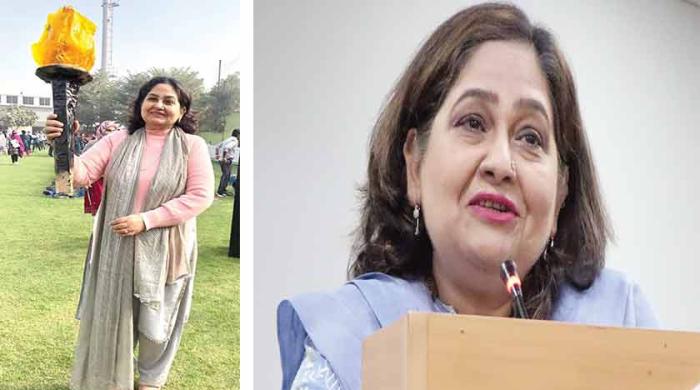
With over two decades in education, experience in journalism and a deep-rooted commitment to nurturing literary expression among young minds, Sofia Neelam, Head of Urdu O Level Department at the DHA Creek School System, reflects on the evolving place of Urdu. This week, she reflects on her enduring love for her mother tongue and the responsibility of keeping it alive…
You! What made you fall in love with your mother tongue, Urdu?
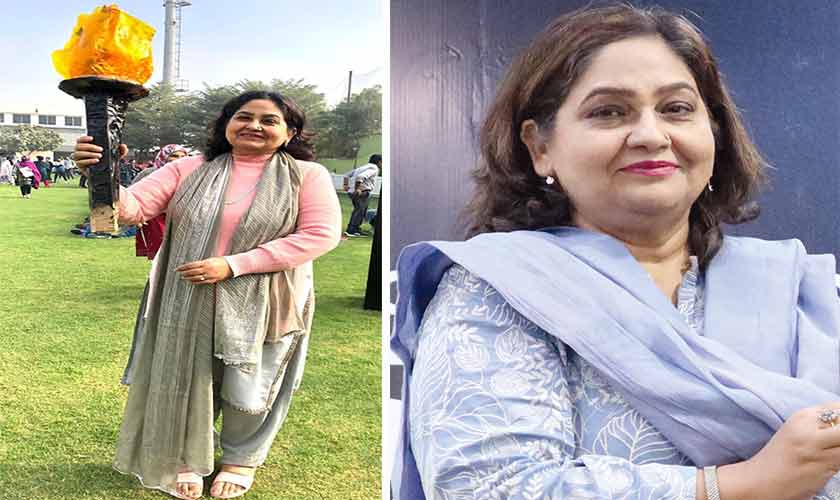
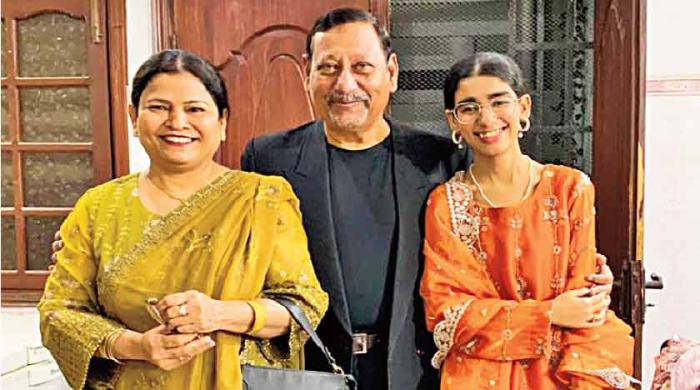
Sofia Neelam: There wasn’t just one reason; it was a series of people and moments. My father encouraged me to speak on public platforms from a young age. My brother would help me write my speeches and mentor me so I could deliver them with confidence. My teachers went out of their way to ensure I excelled. And of course, the poets and writers I encountered along the way deepened that love. Urdu wasn’t simply a subject for me; it became a space where I found my voice.
You! On International Mother Language Day, what does celebrating your mother tongue mean to you?
SN: It is a reminder and reminders matter. In a fast-paced world, we forget easily. Dedicating a day to our mother tongue ensures, especially, the younger generation does not lose sight of their roots. Embrace your mother tongue and take pride in its legacy. Repetition creates value. Celebration creates awareness. Both are necessary.
You! Do you think Urdu today is thriving in homes or has it become more of a classroom language?
SN: Urdu has discovered a renewed presence in the digital age. Brands are using it creatively and young people are engaging with it through trends and social media. That exposure, even if gradual, is contributing to its revival. Print media also deserves credit for maintaining linguistic standards and using refined Urdu consistently.
You! Many young people switch between Urdu and English effortlessly. Is this evolution healthy or concerning?
SN: I see it as an enhancement rather than a threat. In my classroom, students come from diverse backgrounds. Some are encountering Urdu formally for the first time. If they blend English with Urdu while learning, I consider it part of the process. Communication improves when language becomes accessible rather than intimidating.
You! Why do some students find Urdu difficult despite speaking it daily?
SN: There is a significant difference between speaking a language and formally learning it. Conversational fluency does not automatically translate into mastery of grammar, structure, literature and composition. In daily speech, we rely on instinct. In academic learning, we are required to understand syntax, vocabulary depth, historical context and stylistic nuance. Students may speak Urdu comfortably at home, yet struggle with its formal rules or literary dimensions.
You! What is one myth about Urdu that you wish people would stop believing?
SN: That anyone can teach Urdu and that being able to speak it automatically means one can write it well. Teaching requires training, and writing requires skill, sensitivity and command over structure.

You! If you could redesign the Urdu curriculum from scratch, what would you change first?
SN: I would make it more practical, engaging and aligned with contemporary demands. There should be a balance between classical literature and modern writing. Creative exercises, speaking skills, writing practice, and content connected to students’ everyday realities should all be part of the framework.
You! How can parents encourage children to value their mother tongue without forcing it on them?
SN: The responsibility begins with parents themselves. We often fail to give our mother tongue the respect it deserves. Many young parents speak exclusively in English with their children, assuming it guarantees success. I do not encourage this imbalance. Young minds are impressionable. If parents introduce both languages with equal enthusiasm and pride, children will learn to value both. Language should not feel imposed; it should feel organic. Children absorb what they observe. If they see respect for Urdu at home, they will internalise that respect.
You! Having worked in journalism, how do you see Urdu functioning differently in media compared to academia?
SN: Education provides the foundation, the structure and refinement of language. Journalism, however, demands a distinct skill set: precision, speed, clarity and audience awareness. Interestingly, I entered journalism before transitioning into education. Journalism sharpened my command over language under pressure. It taught me to communicate effectively and responsibly. When you teach a language, you are persuading learners to embrace it. You are building their confidence step by step. Journalism, on the other hand, assumes fluency and demands immediate articulation. Both fields require command but the approach differs significantly.
You! What role does Urdu play in shaping emotional intelligence and cultural memory?
SN: A language finds its identity through its literature. It carries history, environment, manners and collective consciousness. If you compare the writings of Mir Taqi Mir and Allama Iqbal, you see how language evolves with context. Mir’s expression resonates across cultures, while the diction and thought in Iqbal’s poetry evoke a particular emotional and intellectual response among Urdu readers. Language carries memory within it. It shapes how we feel and how we remember.
You! What would you say to a young person who feels English is more ‘useful’ and Urdu is only sentimental?
SN: I agree that English is globally useful. It opens professional doors. But usefulness should not cancel identity. Urdu is not merely sentimental; it shapes thought, emotion and cultural understanding. You can master English for the world, but you need your mother tongue to understand yourself.
You! Do you have any favourite Urdu writer or poet?
SN: When I was first developing an interest in Urdu, Sahir Ludhianvi inspired me deeply. He wrote with clarity and courage, whether about love, injustice or society and his words felt both lyrical and purposeful. As a young learner, I was drawn not only to the beauty of his expression but also to the strength of his ideas. His poetry made me realise that language can question, challenge and awaken, and that realisation stayed with me.
You! If you had to describe your relationship with Urdu in one sentence, what would it be?
SN: I consider it both a privilege and a responsibility to be part of the continuous journey of learning and teaching the Urdu language.
You! What does a typical day in your life look like?
SN: I begin my day with enthusiasm, looking forward to stepping into the classroom and sharing knowledge. Teaching energises me. Alongside my professional responsibilities, I am also a homemaker, balancing my time between family and work with care and intention.
You! When you are not working, how do you like to unwind and recharge?
SN: I like to unwind by watching lighthearted shows that help me relax after a productive day.
You! What is one piece of advice you would like to give?
SN: Whatever you choose to do, do it sincerely and authentically. Whether it is work, relationships or personal growth, integrity gives lasting value to every effort.