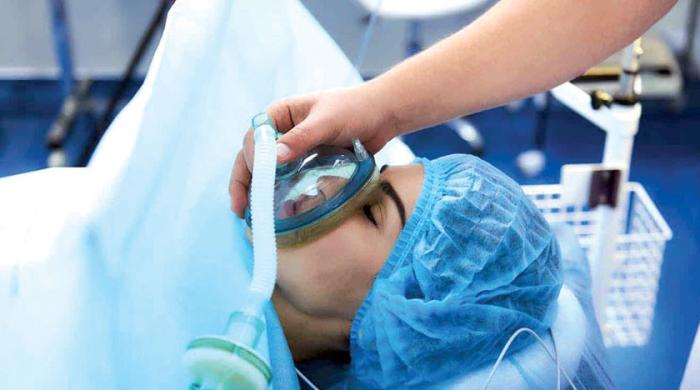
Imagine standing on the threshold of a major life event: a necessary surgical procedure...
HEALTHWISE
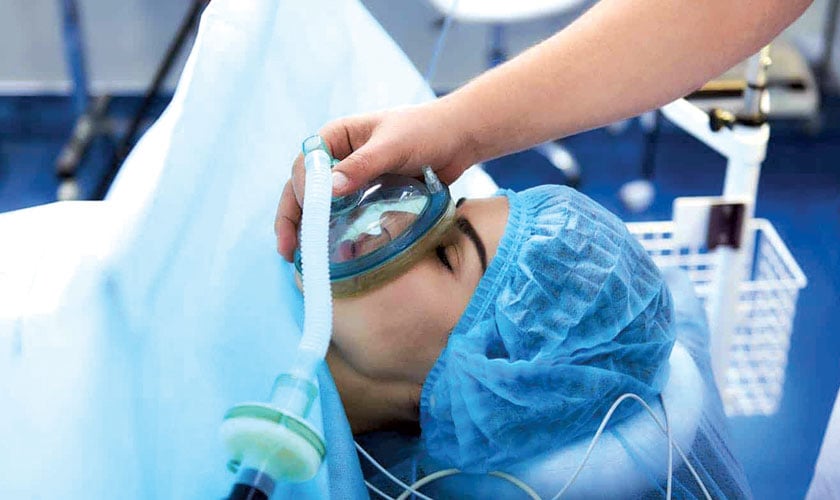
Imagine standing on the threshold of a major life event: a necessary surgical procedure. For an average person, the anxiety is usually centred on the surgery itself. But for millions of people living with
diabetes mellitus, the challenge inside the operating theatre (OT) is even greater. Surgery triggers a significant stress response in the human body, turning carbohydrate metabolism into a complex balancing act. For the anaesthesia team, managing a diabetic patient is not simply about putting someone to sleep. It involves carefully monitoring and maintaining the body's metabolic stability before, during and after the procedure.
When a patient undergoes surgery, the body's natural defence mechanisms release stress hormones such as cortisol, adrenaline and glucagon. In a healthy individual, the pancreas responds by adjusting insulin production to help regulate blood glucose levels. In a diabetic patient, however, this metabolic surge can cause blood sugar levels to rise significantly. Uncontrolled hyperglycaemia during surgery may delay wound healing, impair immune function and increase the risk of post-operative infections and other complications.
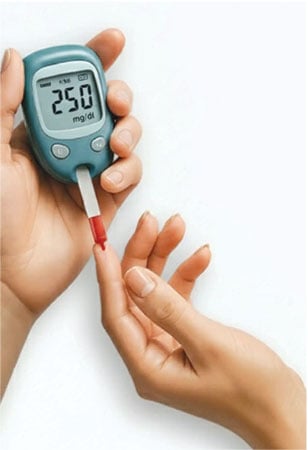
Yet the greatest concern for anaesthesia providers is often not high blood sugar but the silent drop known as hypoglycaemia. Under general anaesthesia, a patient is completely unconscious and unable to report symptoms such as dizziness, sweating, hunger or shakiness, which are classic warning signs of low blood sugar. In addition, some medications used during anaesthesia can mask physical signs that healthcare professionals would normally associate with hypoglycaemia. If blood glucose levels fall to dangerously low levels while a patient is under anaesthesia, the consequences can be serious, particularly if the condition is not recognised and treated promptly.
This is where the critical role of modern anaesthesia technologists, anaesthetists and anaesthesiologists comes into play. From the moment a diabetic patient enters the pre-operative area, a carefully planned protocol begins. Long-term glucose control is often assessed through HbA1c testing. The airway is also evaluated carefully because long-standing diabetes can sometimes lead to limited joint mobility, including stiffness of the neck and jaw, which may make intubation more challenging.
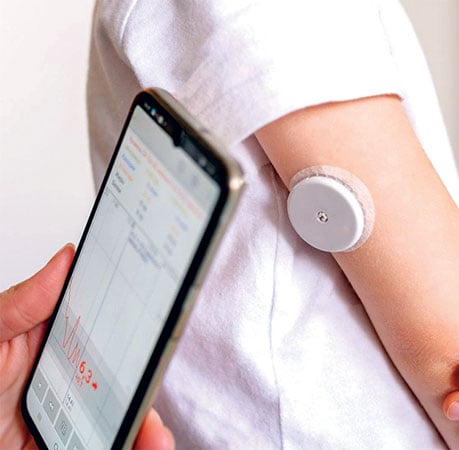
Inside the operating theatre, maintaining safe blood glucose levels becomes a priority. Current international recommendations generally suggest keeping blood glucose within a moderate target range, often around 140 to 180 mg/dL for many surgical patients. Achieving this goal requires regular monitoring, especially during lengthy procedures. If glucose levels rise excessively, intravenous insulin may be administered and adjusted according to the patient's needs. If levels begin to fall, dextrose-containing solutions can be given promptly to prevent complications.
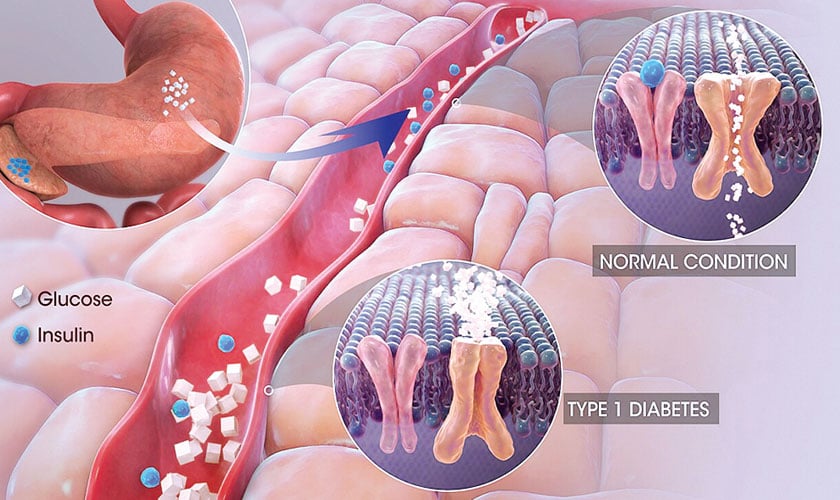
For young people, this topic is becoming increasingly relevant. Type 1 diabetes is often diagnosed during childhood or adolescence, while cases of Type 2 diabetes among teenagers and young adults have risen in recent years due to changing lifestyles and dietary habits. Many young people living with diabetes may eventually require procedures ranging from dental surgeries and sports-related operations to emergency medical interventions. Understanding how diabetes affects surgical care can help patients become more informed and confident about their health.
Young diabetics can also play an important role in ensuring their own safety. Following medical advice, monitoring blood glucose regularly, informing healthcare providers about medications and maintaining good diabetic control before a planned operation can significantly reduce risks and improve recovery outcomes.
As healthcare in Pakistan continues to evolve, public awareness must also expand. Safe surgery is a team effort that extends far beyond the surgeon's scalpel. The successful recovery of a diabetic patient depends on surgeons, nurses, physicians and the anaesthesia team working together to maintain the body's delicate internal balance. Their vigilance behind the surgical drapes often goes unnoticed, yet it remains one of the most important factors in ensuring a safe operation and a successful recovery.
-The writer is a 5th semester student of anaesthesia technology.