The contrast doesn’t exist in education but rather extends beyond. Healthcare facilities are fewer and remote; no local clinics, no proper doctors to be found...
THINK PAD
Recognising privilege is a deliberate process that requires time and deep introspection.
Growing up in Rawalpindi, one of the most populous and developed cities of Punjab, I seldom questioned the conveniences that shaped my daily life. I’ve never had to struggle for anything. Everything was provided right when I needed it. Reliable Internet, nearby schools along with accessible health care and paved roads seemed ordinary. They seemed like a normal part of the environment around me. But it turned out that this life has been a utopia I was living in all along and I never realised it until one day I visited Tank, my hometown in Khyber Pakhtunkhwa, the frontier region of FATA.
Visiting after a decade opened my eyes. How 10 years passed and nothing changed. Everything seemed right where it was. Scrutinising the poor conditions of roads, the lack of sanitation and deteriorating school conditions, I began to contemplate how differently life unfolds for everyone in Pakistan and how this potent, abstract “privilege” blinds us throughout our lives.
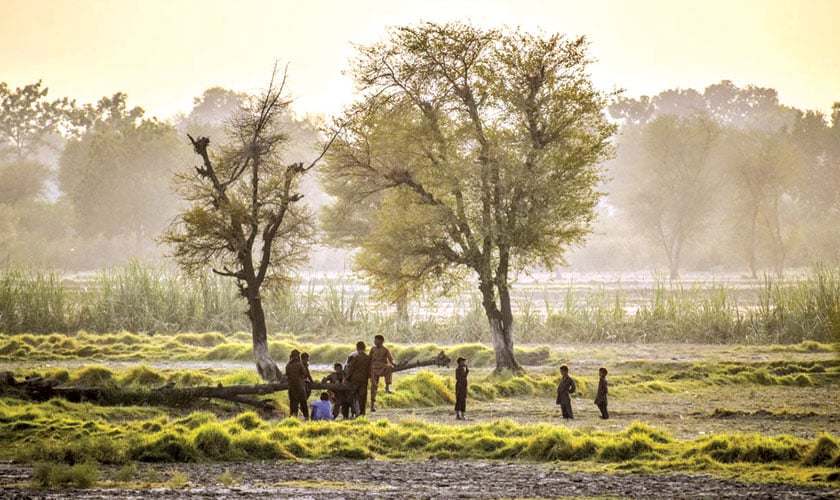
The difference in access to opportunities was striking. The villages near Tank, Gul Imam, Shah Alam and Gira Shahbaz that I visited were in similar condition. The schools are remote for those who come from the mountainous areas nearby, such as South Waziristan. For some children, attending six hours of school required long walks. There is a fear subduing the parents too; these desolate roads linking the backward areas are not secure after all. Patrolling starts after dusk and children returning from schools have to stay alert. Girls, especially, have to cover themselves from head to toe, including their hands, and lower their gaze while walking. Access to educational resources – such as prestigious libraries, stable Internet connections and extracurricular activities – that many urban students, including me, have taken for granted are limited in Tank. But surprisingly, despite these challenges, I still encountered students who are ambitious and eager to learn.

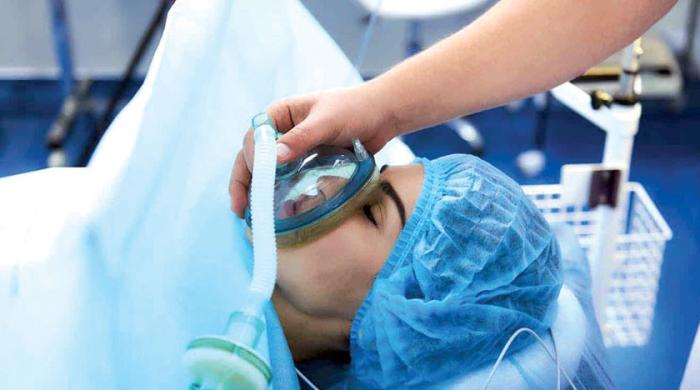
The contrast doesn’t exist in education but rather extends beyond. Healthcare facilities are fewer and remote; no local clinics, no proper doctors to be found. Many deaths during the past three years have been caused by a lack of proper healthcare facilities. The transportation through which one could access these facilities is also less reliable. Coaches are more often used but their conditions are not safe enough for a woman to travel alone. Electricity is available for eight hours per day and for the remaining 16 hours, people have to make do without fans, even in scorching summers.
These differences may appear small, but put together, they shape people’s opportunities, aspirations and quality of life. What struck me the most was not just the existence of these disparities but rather my own surprise at discovering them. I belong to this area my parents and their parents were born here, yet I had been disconnected from the conditions experienced by the people of my own Pakhtunkhwa. The answer lies in privilege itself.
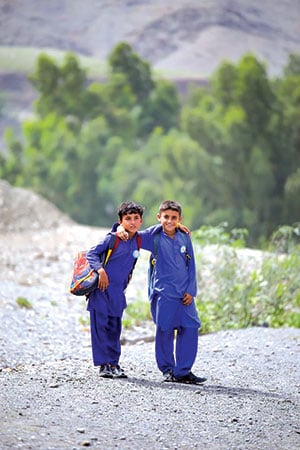
As far as privilege is concerned, it is not merely wealth alone. In reality, it encompasses the advantages we inherit through our location and access. When opportunities become readily available, it becomes easy to assume that they are universally available too. This blindness arises from the bubbles we Pakistanis in urban areas are living in. Urban Pakistanis frequently interact with people who share similar lifestyles. As a result, we are less aware of the struggles faced by the communities beyond our circles.
Recognising privilege is important but at the same time it doesn’t mean that we start feeling guilty for the advantages we possess. Rather, we have to acknowledge the fact that our experiences are not universal. My experience visiting one of the remote areas of Khyber Pakhtunkhwa did not provide all the answers to Pakistan’s development challenges, but it did teach me that the greatest barrier to comprehending inequality is the privilege that prevents us from seeing it. We cannot fix what we refuse to see, and we cannot observe what our privilege has taught us to ignore.